Romania Bulgaria and Rep of Moldova Tour – 9 days
Discover three Eastern European countries on a private Romania, Bulgaria and Moldova tour lasting 9 days and 8 nights. Starting and ending in Bucharest, this multi-country itinerary combines medieval fortresses, UNESCO-listed monasteries, historic cities and the mountain landscapes of the Carpathians.
Private tour
Multi-country
9 days
English
Tour highlights
What you’ll see
FROM
€1750.00
Select the number of people to see the final price
Total
€1750.00

Good to know
Key facts
Itinerary
Timeline
Itinerary
Day by day
Day 1
Day 2
Day 3
Day 4
Day 5
Day 6
Day 7
Day 8
Day 9
Day 10
Day 11
Day 12
Full description
A real experience
Romania, Bulgaria and Republic of Moldova Tour – 9 Days, 8 Nights
Discover three Eastern European countries during a private 9-day tour through Romania, Bulgaria and the Republic of Moldova. The itinerary combines medieval fortresses, historic cities, UNESCO-listed monasteries, mountain landscapes and important cultural landmarks.
Starting and ending in Bucharest, the tour takes you across the Danube into northern Bulgaria, east towards Chișinău and Iași, through the painted monasteries of Bukovina and across the Carpathian Mountains into Transylvania. Along the way, you will visit cities such as Veliko Tarnovo, Chișinău, Iași, Sighișoara, Sibiu and Brașov, as well as some of the region’s most important castles, monasteries and fortified churches.
Tour Highlights
During this Romania, Bulgaria and Republic of Moldova tour, you will:
- Visit Basarabovo Rock Monastery in Bulgaria.
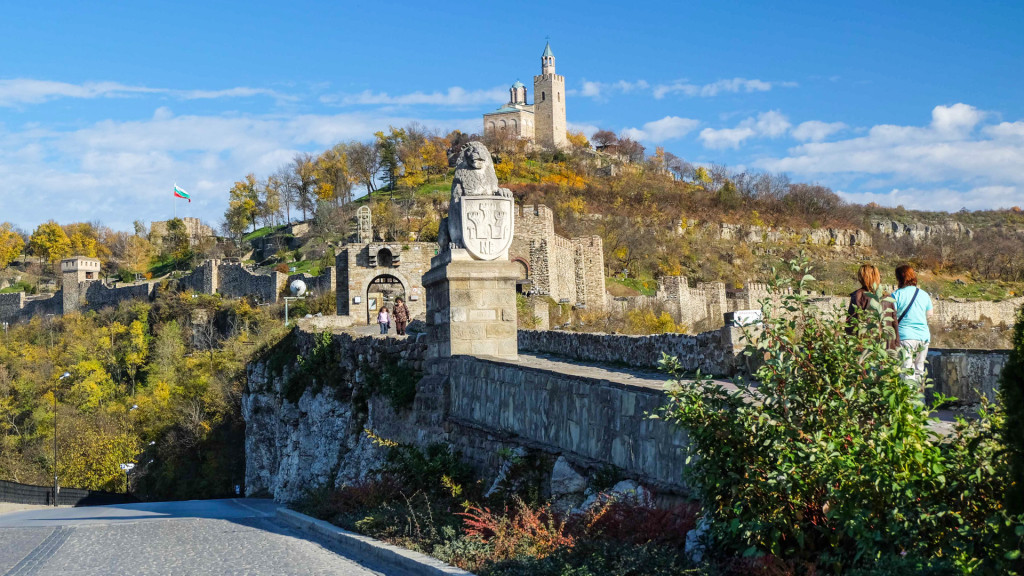
- Walk along the ancient walls of Tsarevets Fortress.
- Discover the traditional village of Arbanasi.
- See the unusual lunar landscape of the Mud Volcanoes.
- Explore Chișinău, the capital of the Republic of Moldova.
- Take a sightseeing tour of Iași, the former capital of Moldavia.
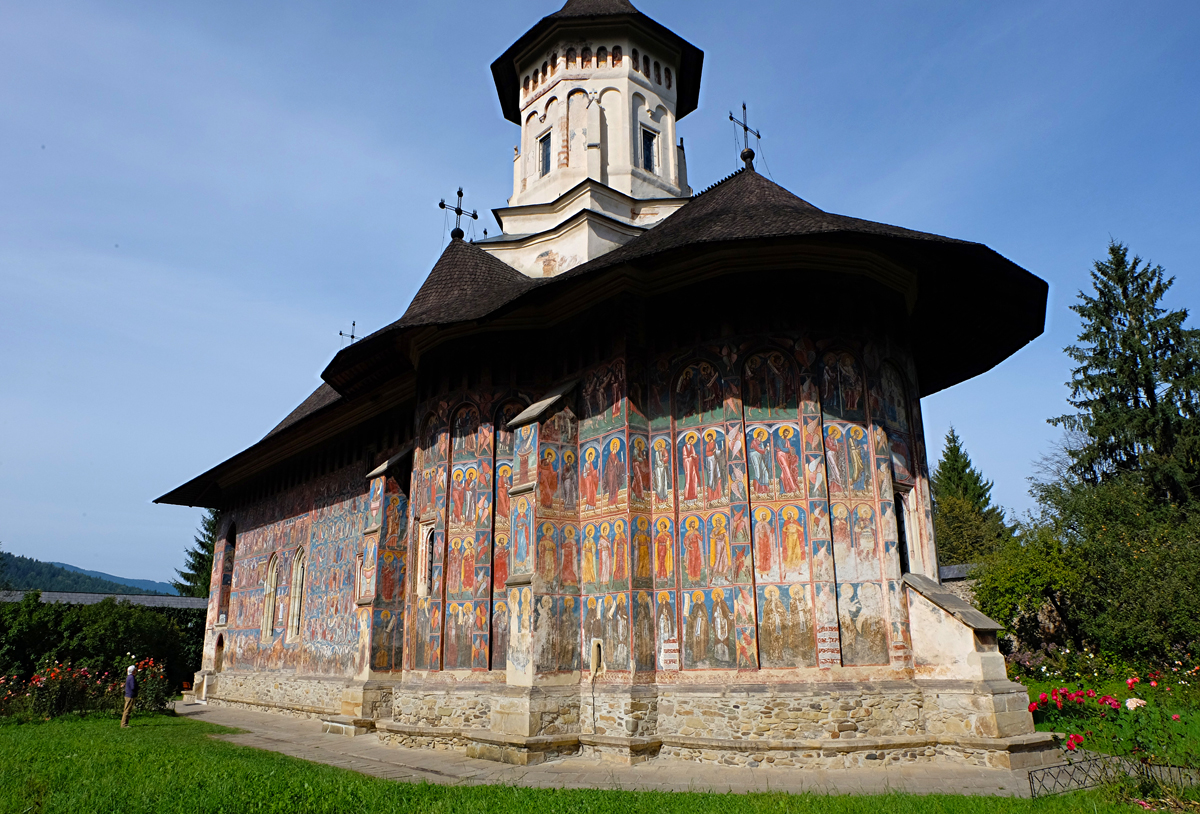
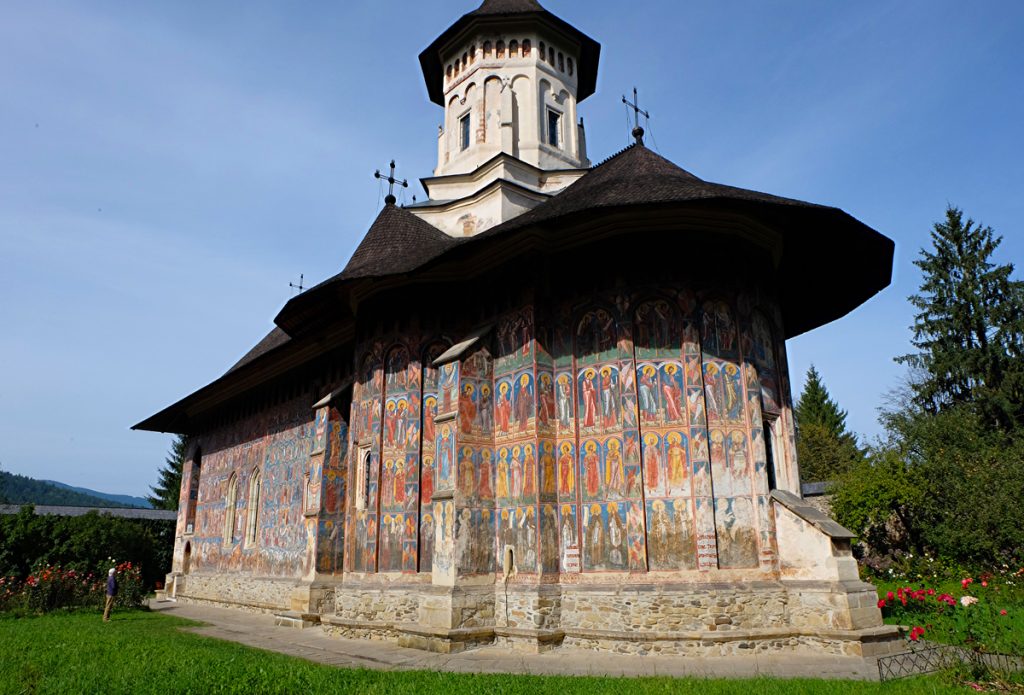
- Visit the UNESCO-listed Painted Monasteries of Bukovina.
- Photograph Bicaz Gorges and Red Lake.
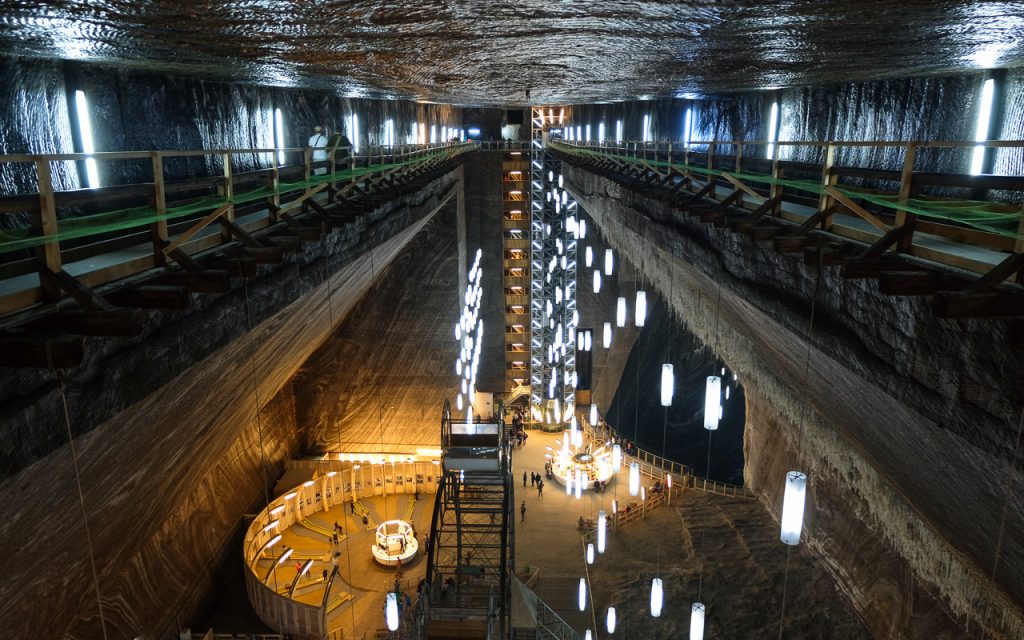
- Visit Praid Salt Mine or explore Sovata Spa Resort.
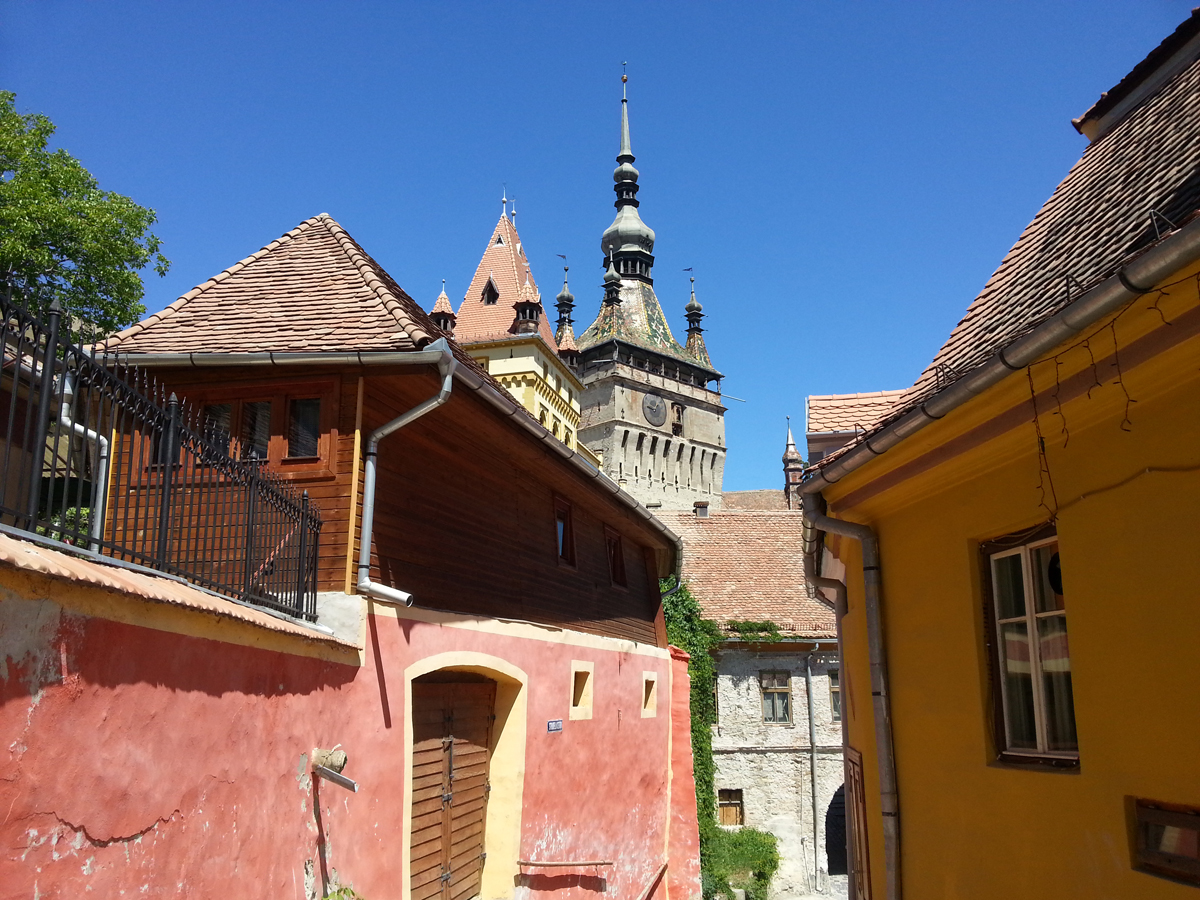
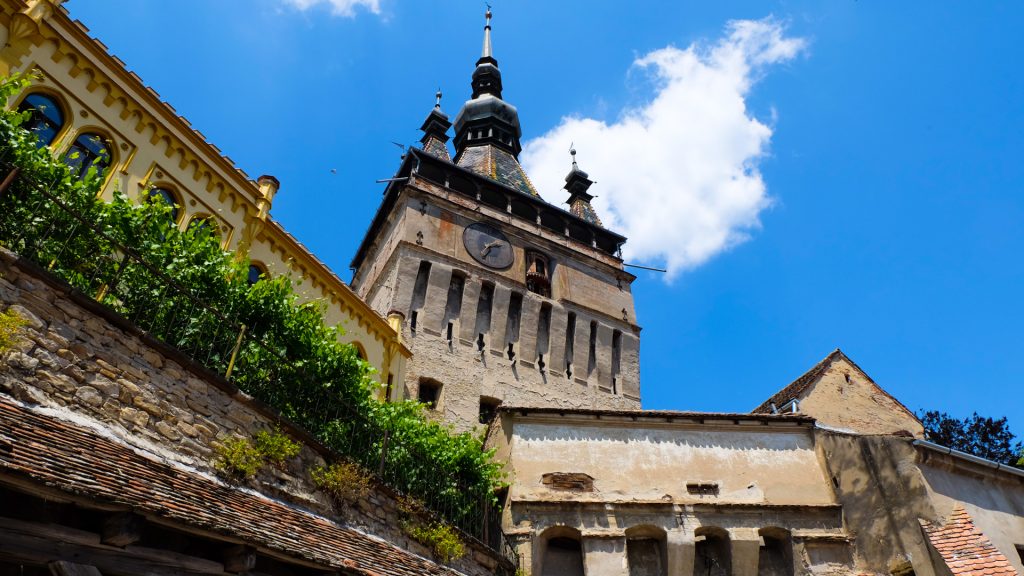
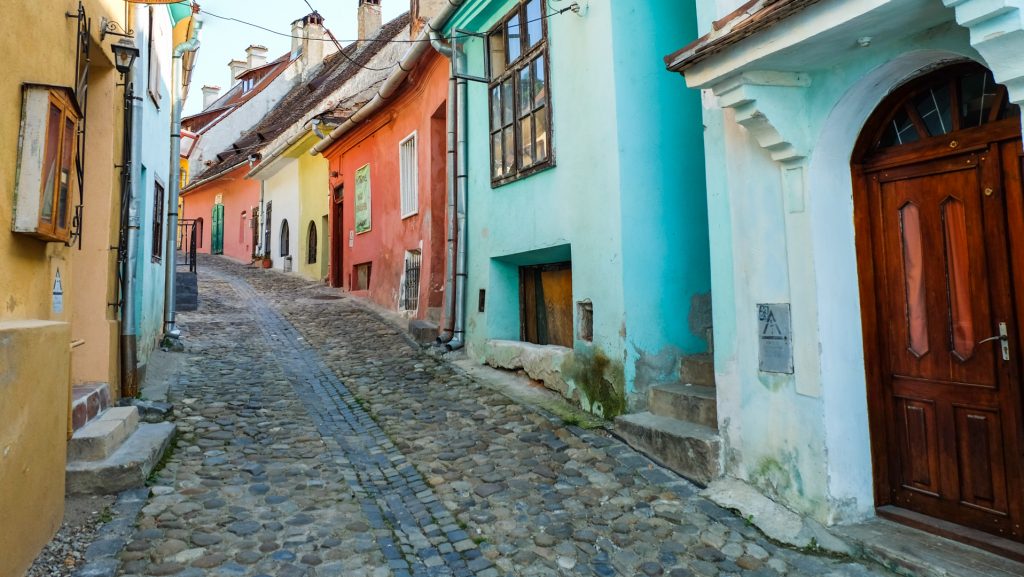
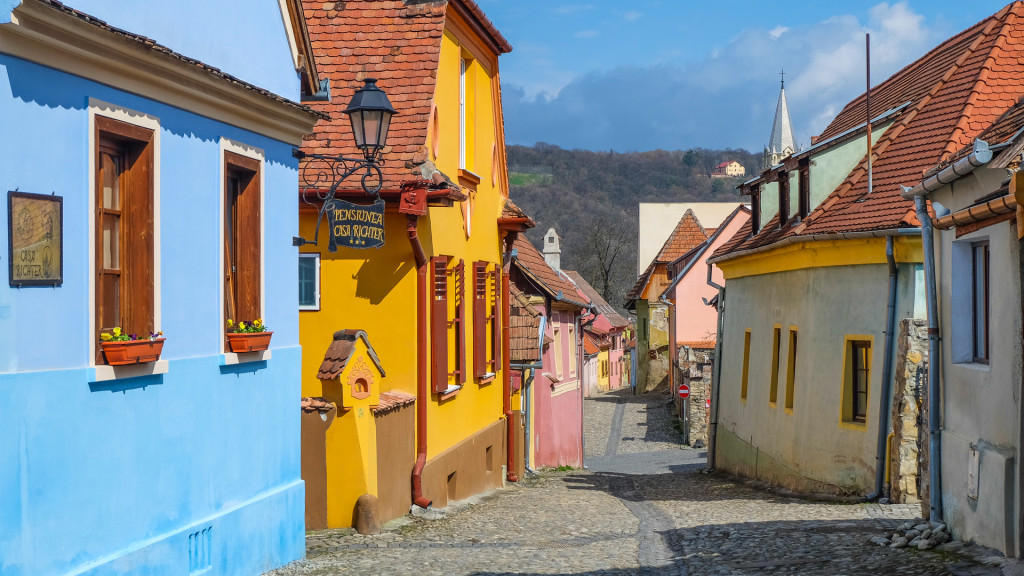
- Walk through the cobbled streets of Sighișoara Medieval Citadel.
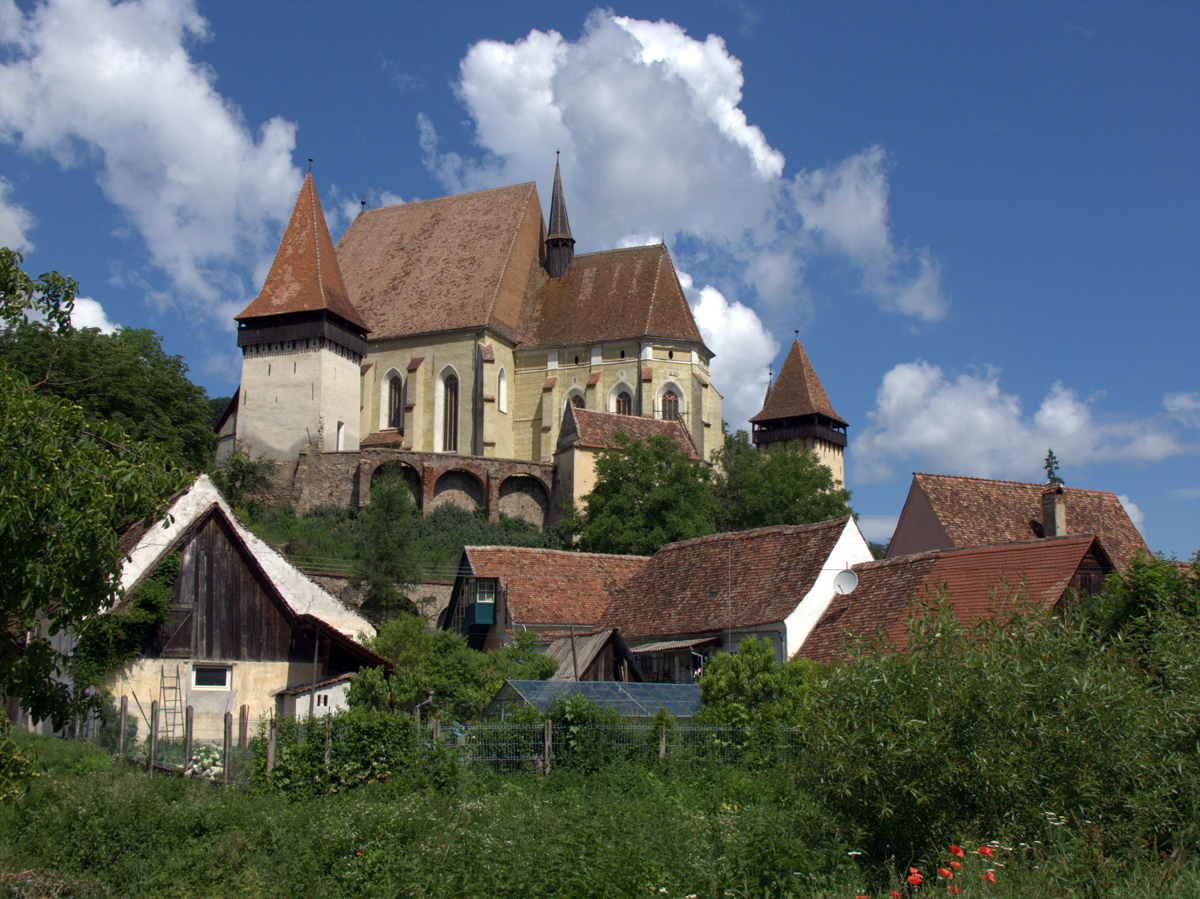
- Visit the fortified church of Biertan.
- Explore Sibiu Old Town, once one of Transylvania’s most important Saxon cities.
- Visit Hunyadi Castle and Alba Iulia Fortress.
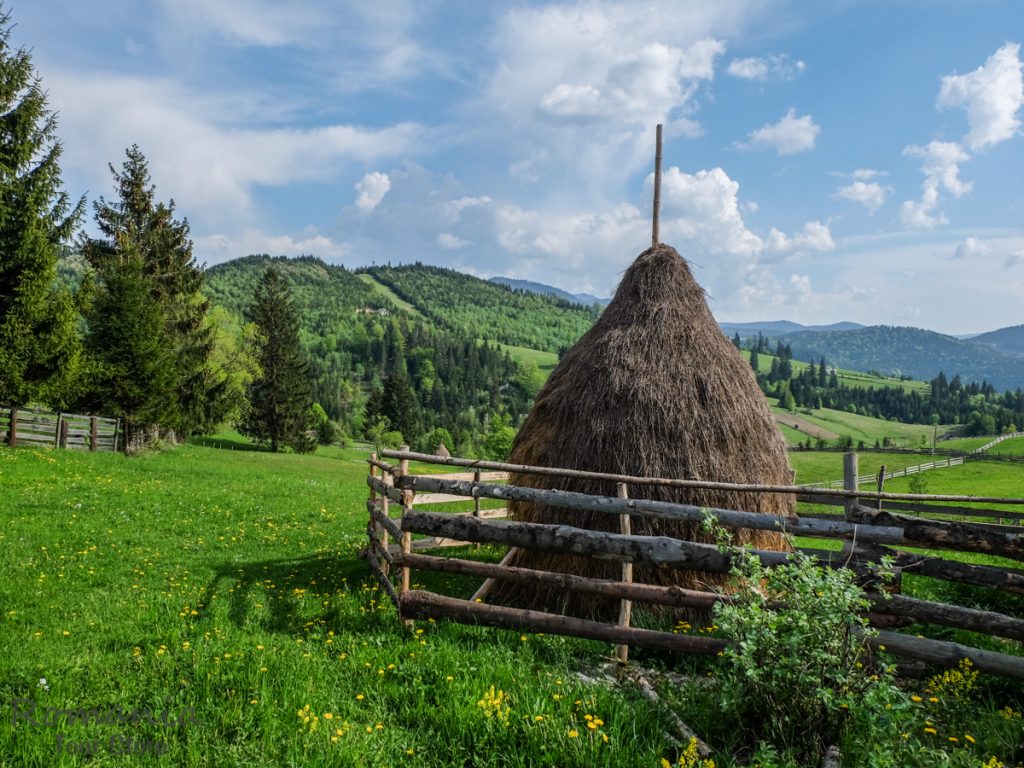
- Travel through the scenery of the Carpathian Mountains.
- Discover the royal mountain resort of Sinaia and visit Peleș Castle.
- Visit Bran Castle, commonly associated with the Dracula legend.
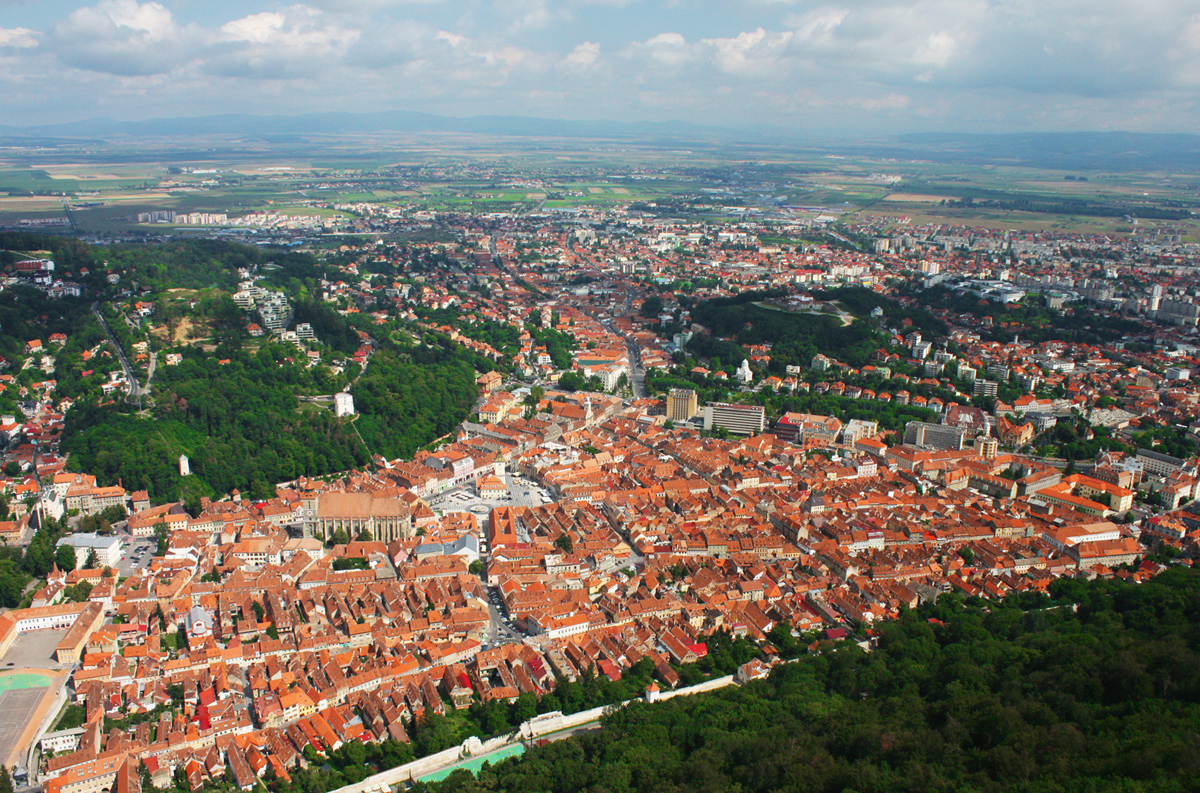
- Explore the medieval centre of Brașov.
Detailed Tour Itinerary
Day 1: Bucharest – Veliko Tarnovo – Arbanasi – Ruse – Bucharest
Leave Bucharest in the morning and travel approximately 55 kilometres towards the Bulgarian border. Cross the Danube over the Friendship Bridge, pass through Ruse and continue towards the Rusenski Lom Valley.
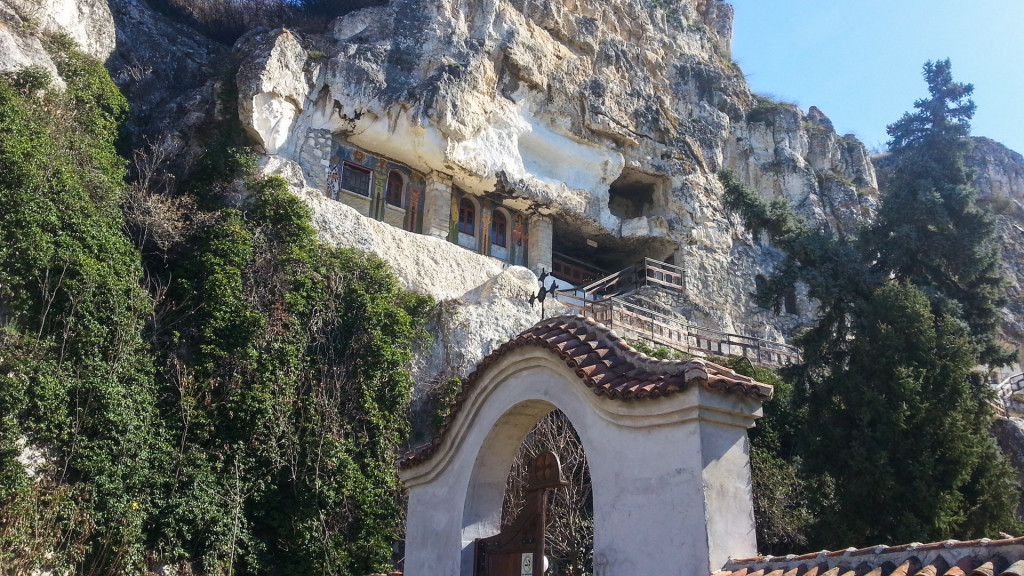
From the 12th century onwards, monks carved churches, chapels and cells into the limestone cliffs of this region. Today, these religious sites are among northern Bulgaria’s most interesting cultural attractions.
The first visit of the day is Basarabovo Rock Monastery, closely connected with Saint Dimitar Basarbovski, an Orthodox saint venerated by both Romanians and Bulgarians.
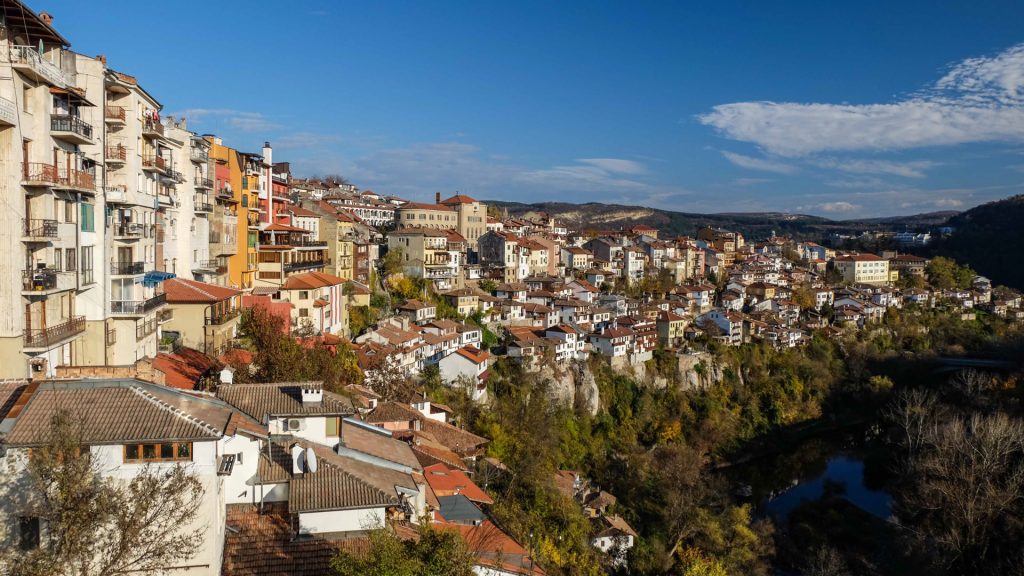
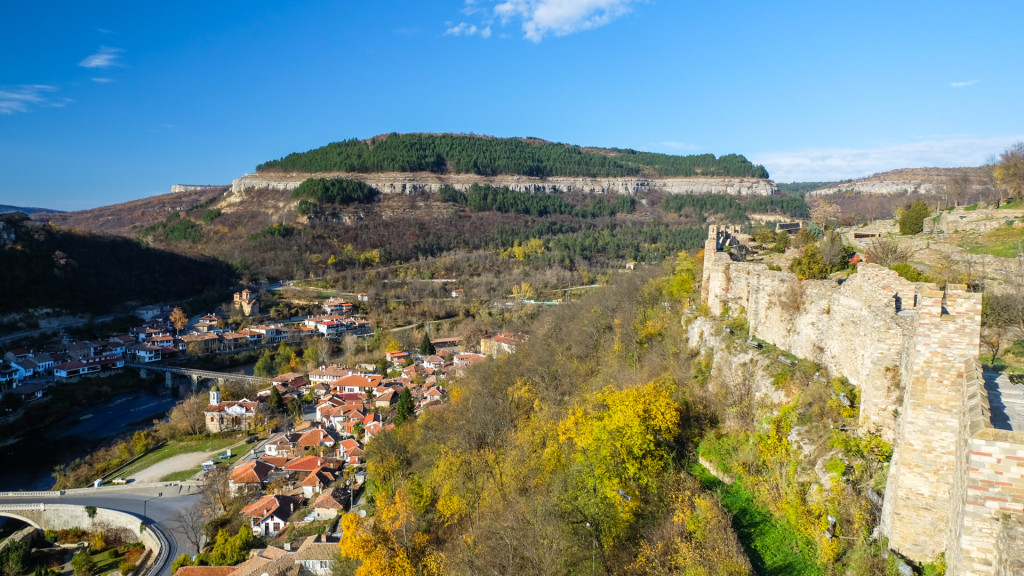
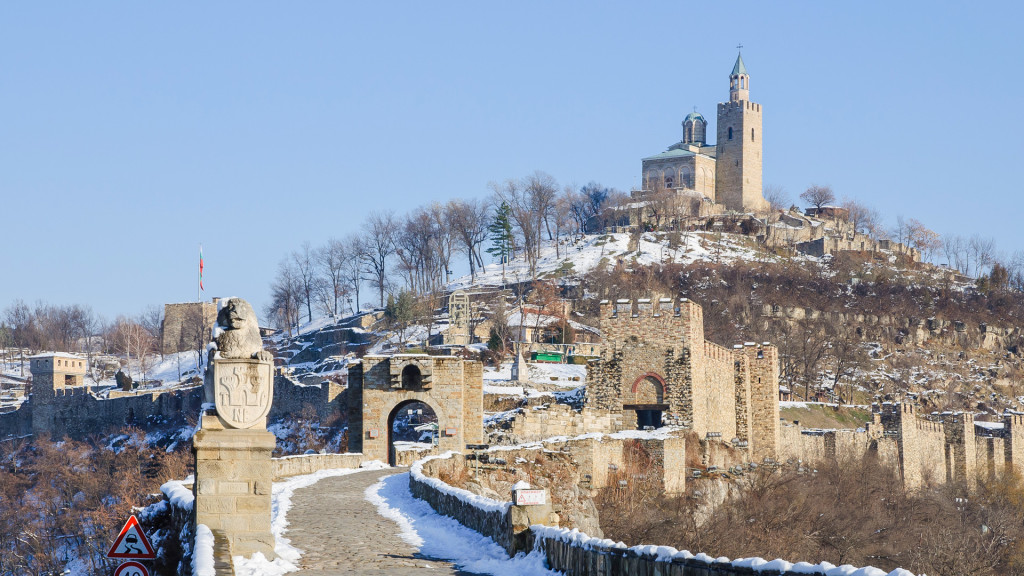
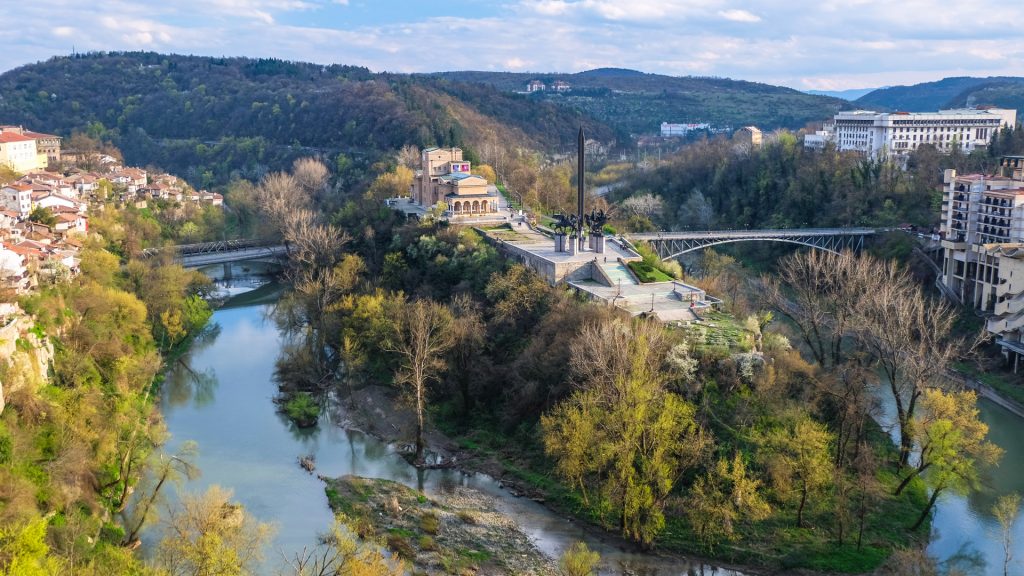
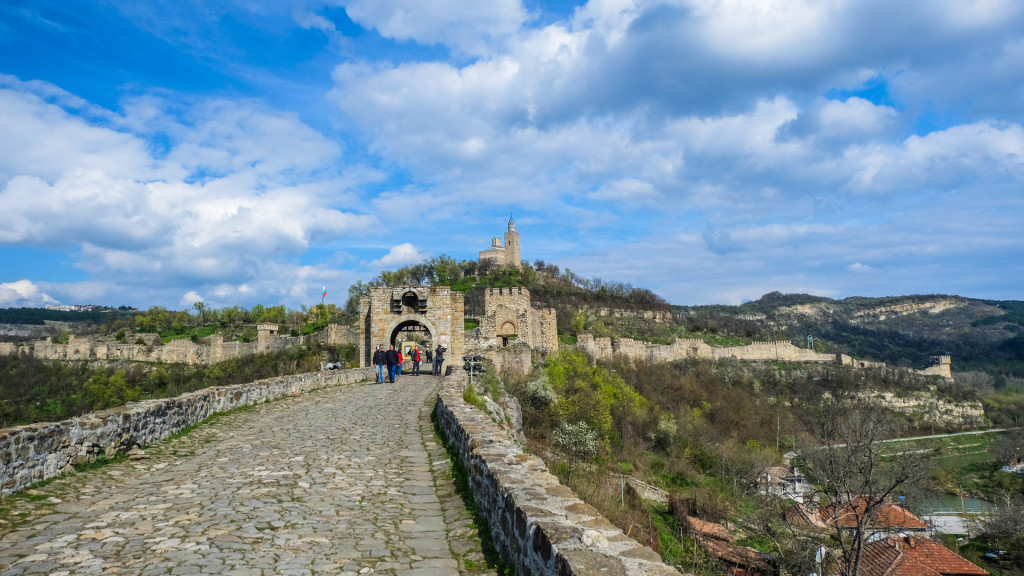
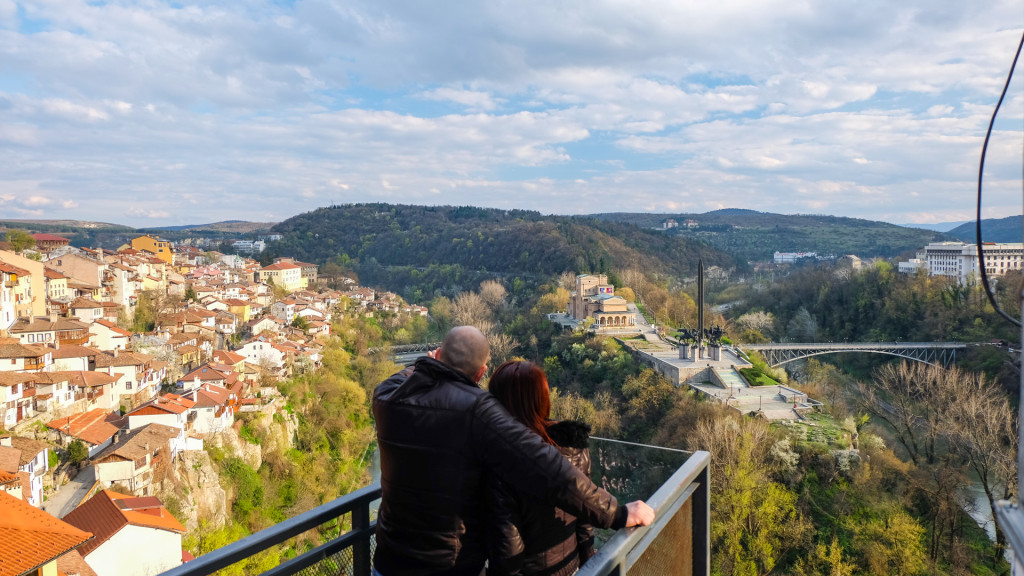
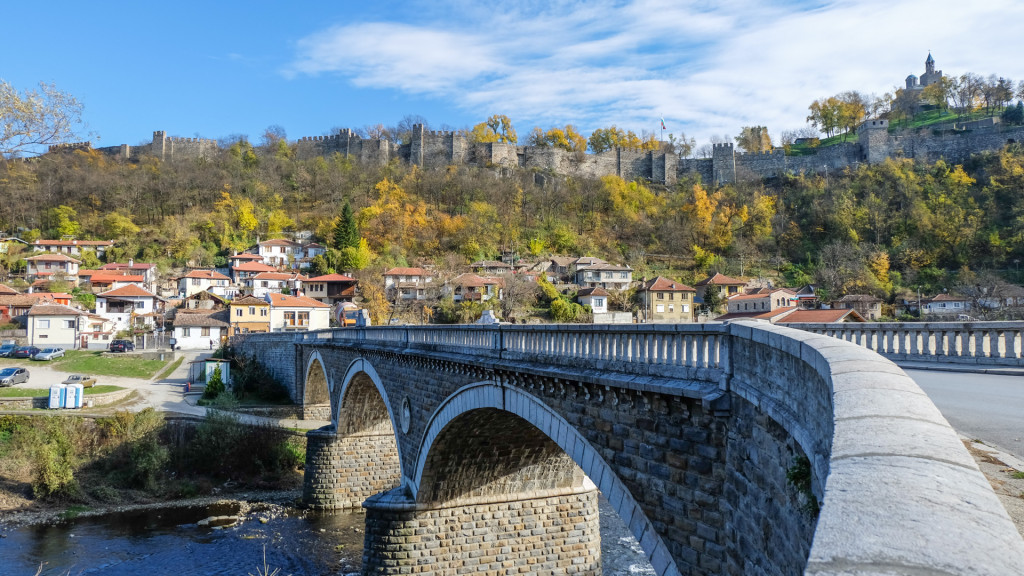
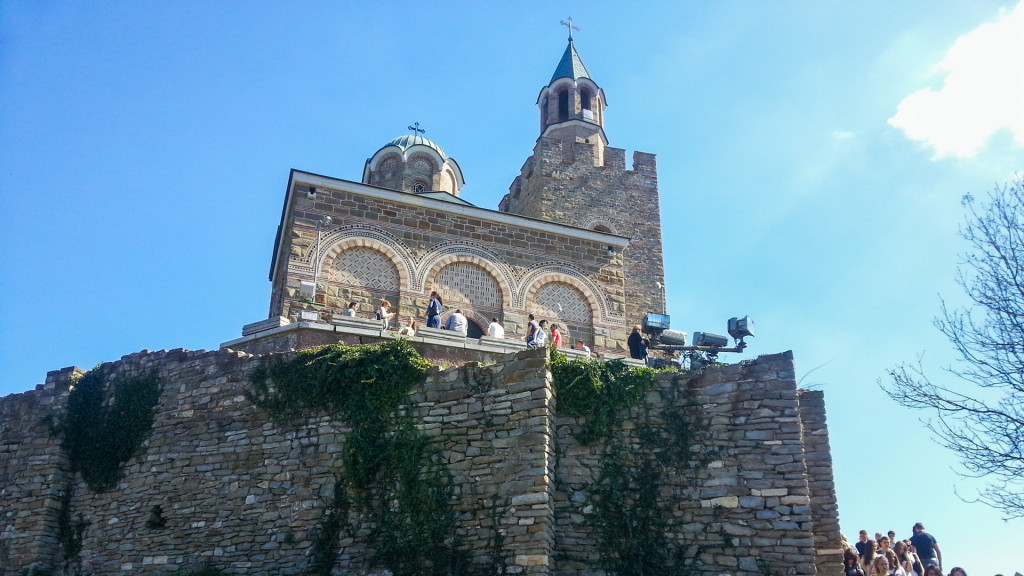
Continue to Veliko Tarnovo, the former capital of the Second Bulgarian Empire. The city is dominated by Tsarevets Fortress, once an important political, economic and religious centre. The medieval Bulgarian state was restored here by the brothers Peter and Asen. In 1393, following a siege lasting approximately three months, the fortress was conquered by the Ottoman army.
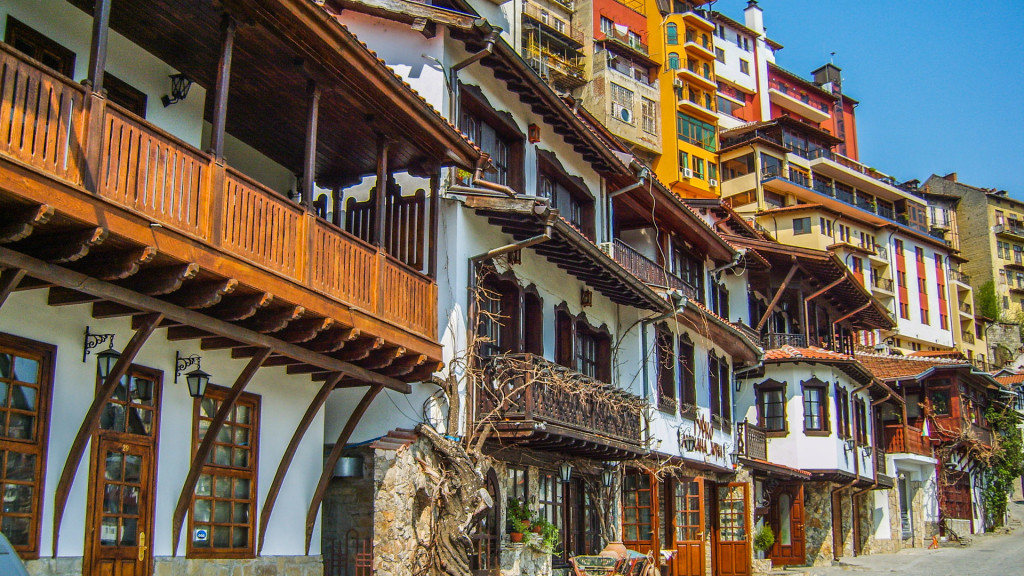
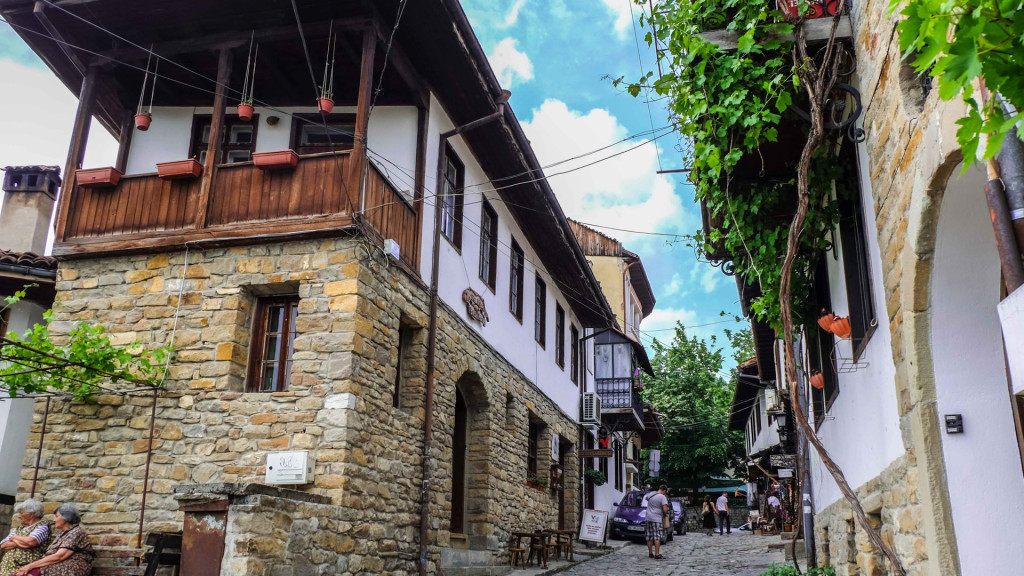
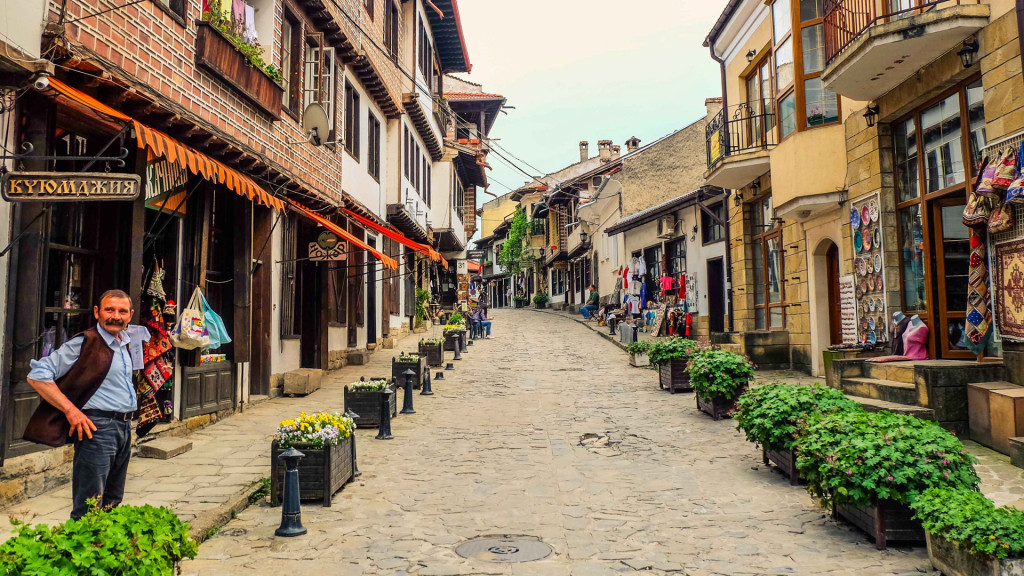
After lunch, walk through the historic centre of Veliko Tarnovo. Discover its cobbled streets, traditional 19th-century houses and small shops that once belonged to the town’s merchants and craftsmen.
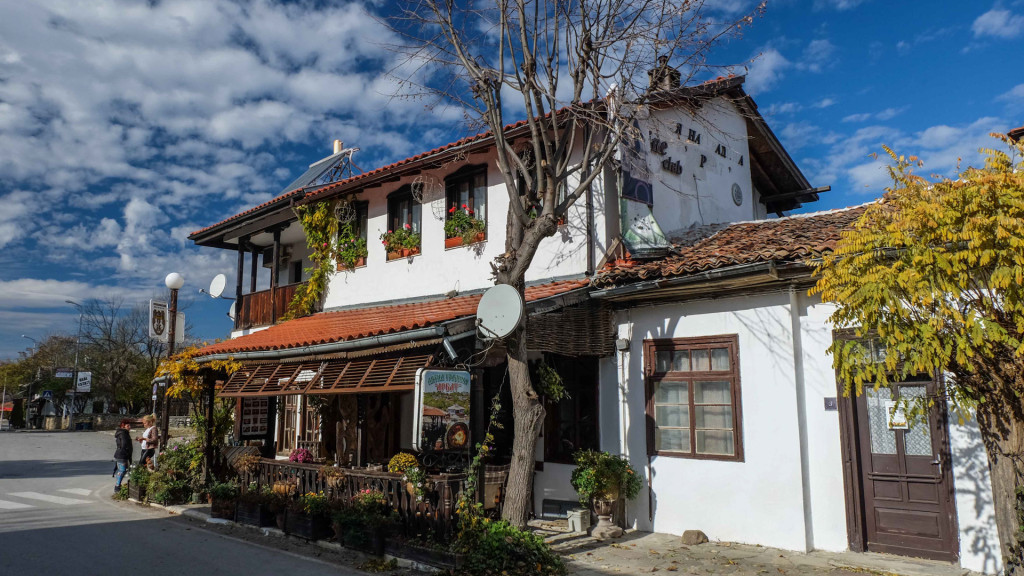
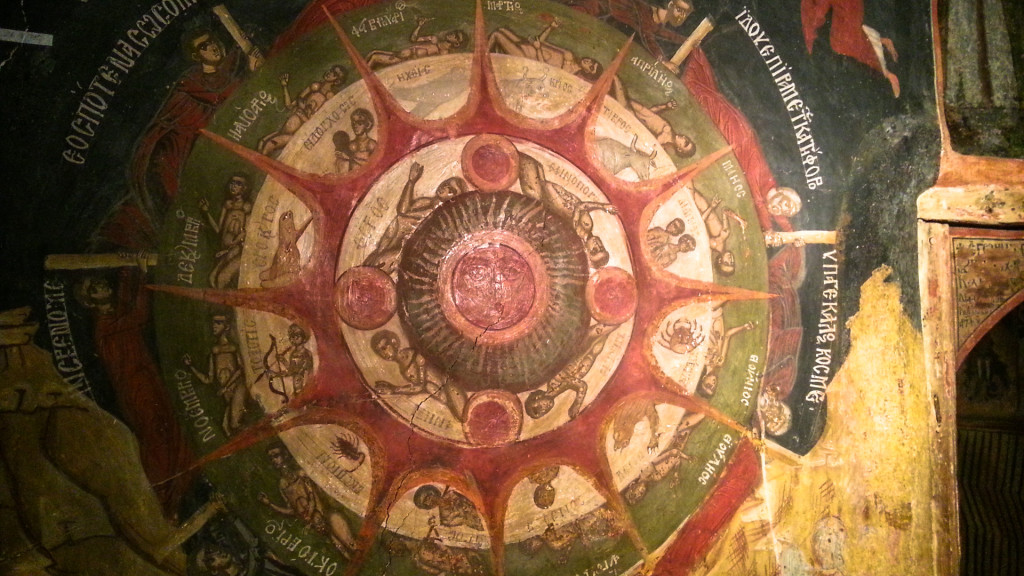
The next stop is Arbanasi, a historic village known for the fortified houses built by some of the region’s wealthiest merchants. Visit the Church of the Nativity and discover the stories and religious symbols represented in its Byzantine-style frescoes.
Cross the Danube and return to Bucharest in the afternoon.
Overnight in Bucharest at Opera Hotel 3-star or similar.
Day 2: Bucharest – Mud Volcanoes – Chișinău
Leave Bucharest in the morning and travel east towards the Republic of Moldova.
One of the main stops of the day is the Mud Volcanoes, an unusual natural phenomenon found in only a few European countries. Underground gases push mud and water towards the surface, forming small cones and craters.
The lack of vegetation around the formations creates a dry, almost lunar landscape. Visitors can walk around the site and observe the small mud eruptions and constantly changing terrain.
After visiting the Mud Volcanoes, continue towards the border with the Republic of Moldova and travel to Chișinău.
Arrival is expected in the evening. You may enjoy a traditional Moldovan dinner accompanied by one of the country’s local wines.
Overnight in Chișinău at a centrally located hotel.
Day 3: Chișinău Sightseeing Tour – Iași
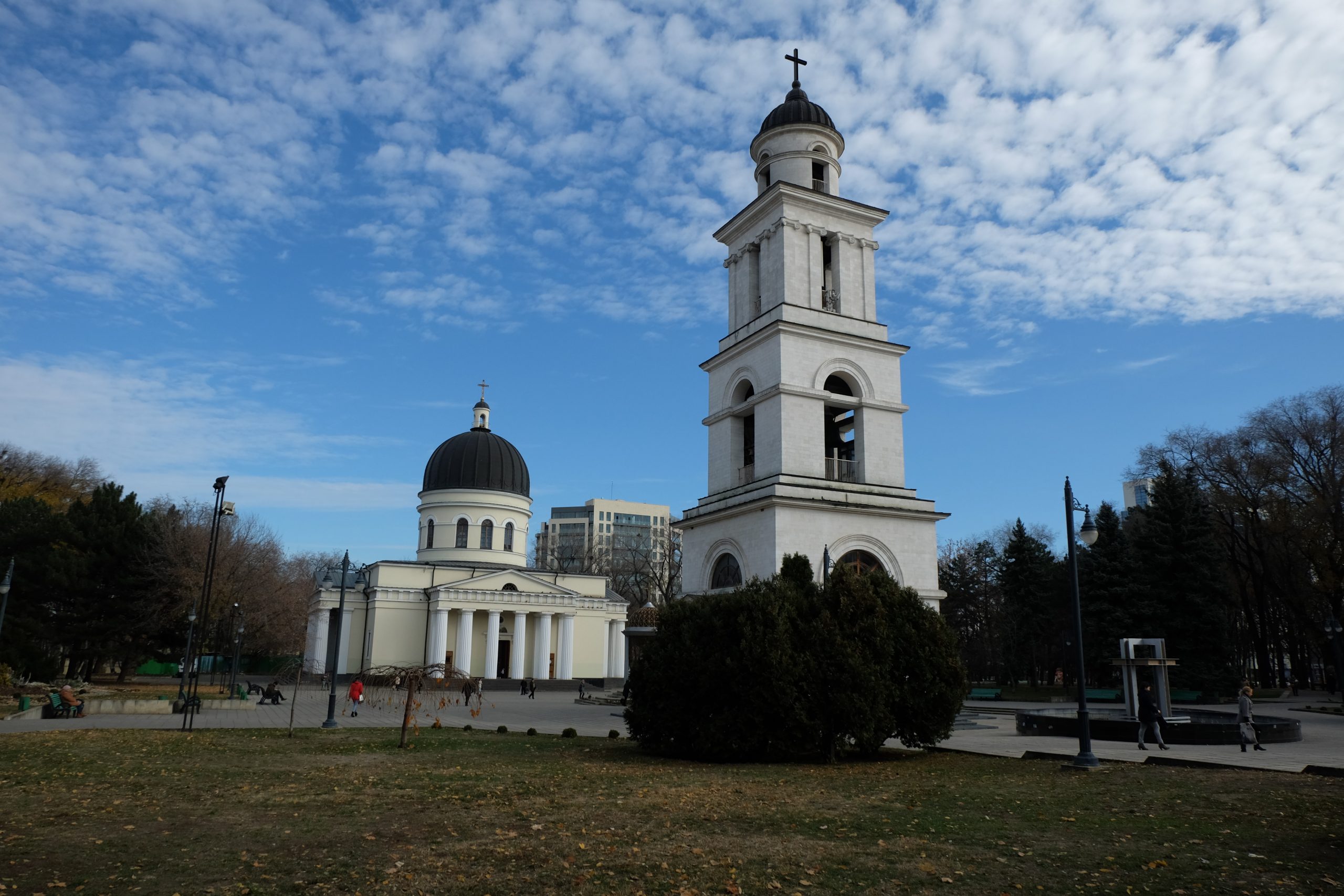
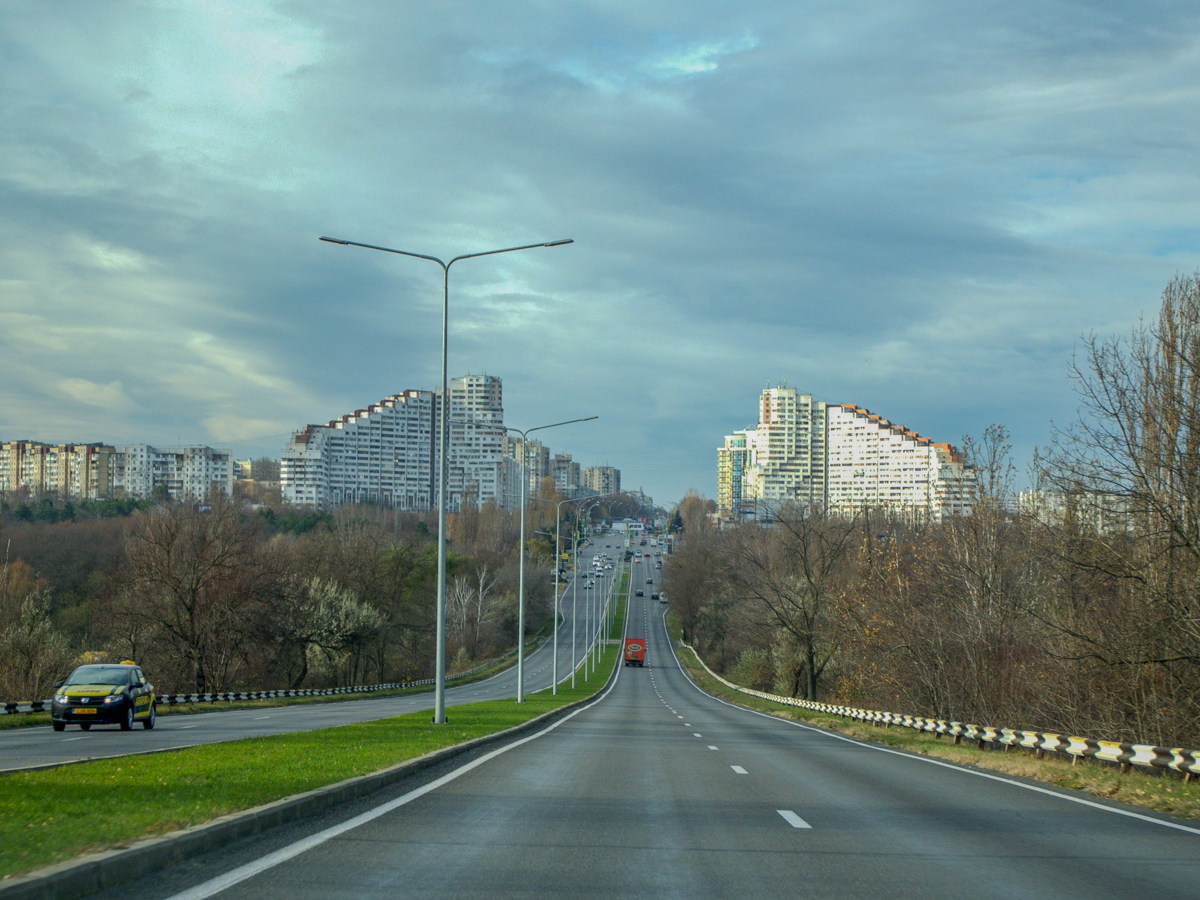
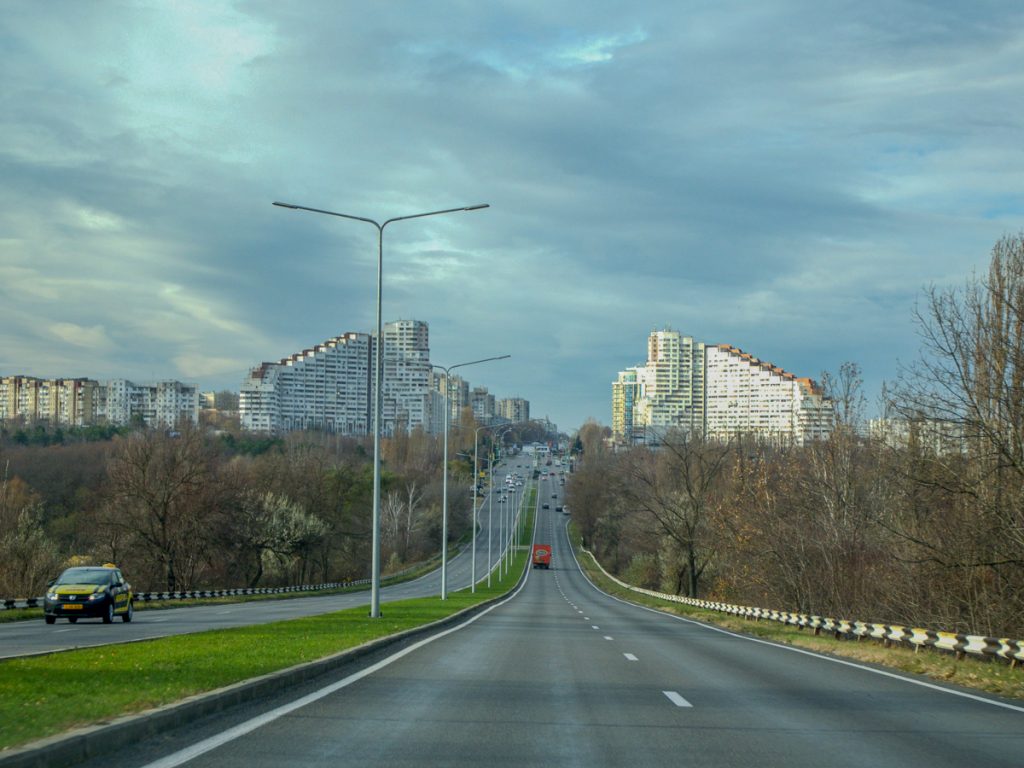
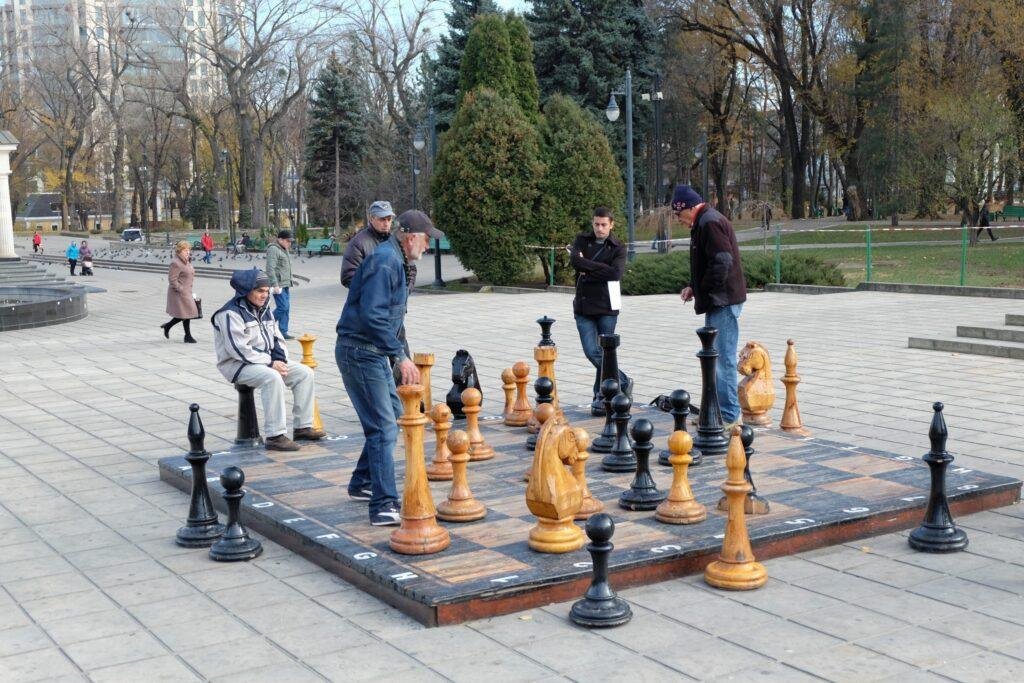
Begin the day with a sightseeing tour of Chișinău, the capital and largest city of the Republic of Moldova.
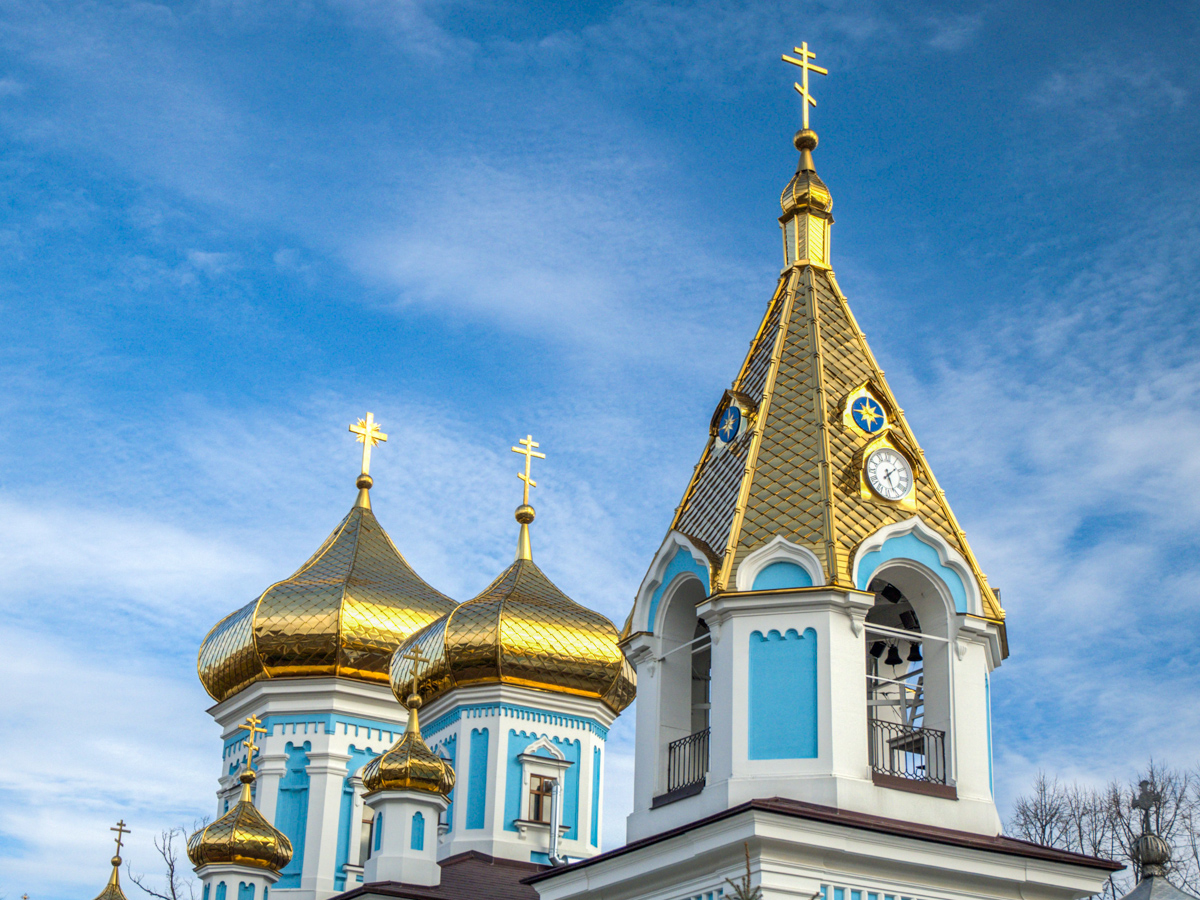
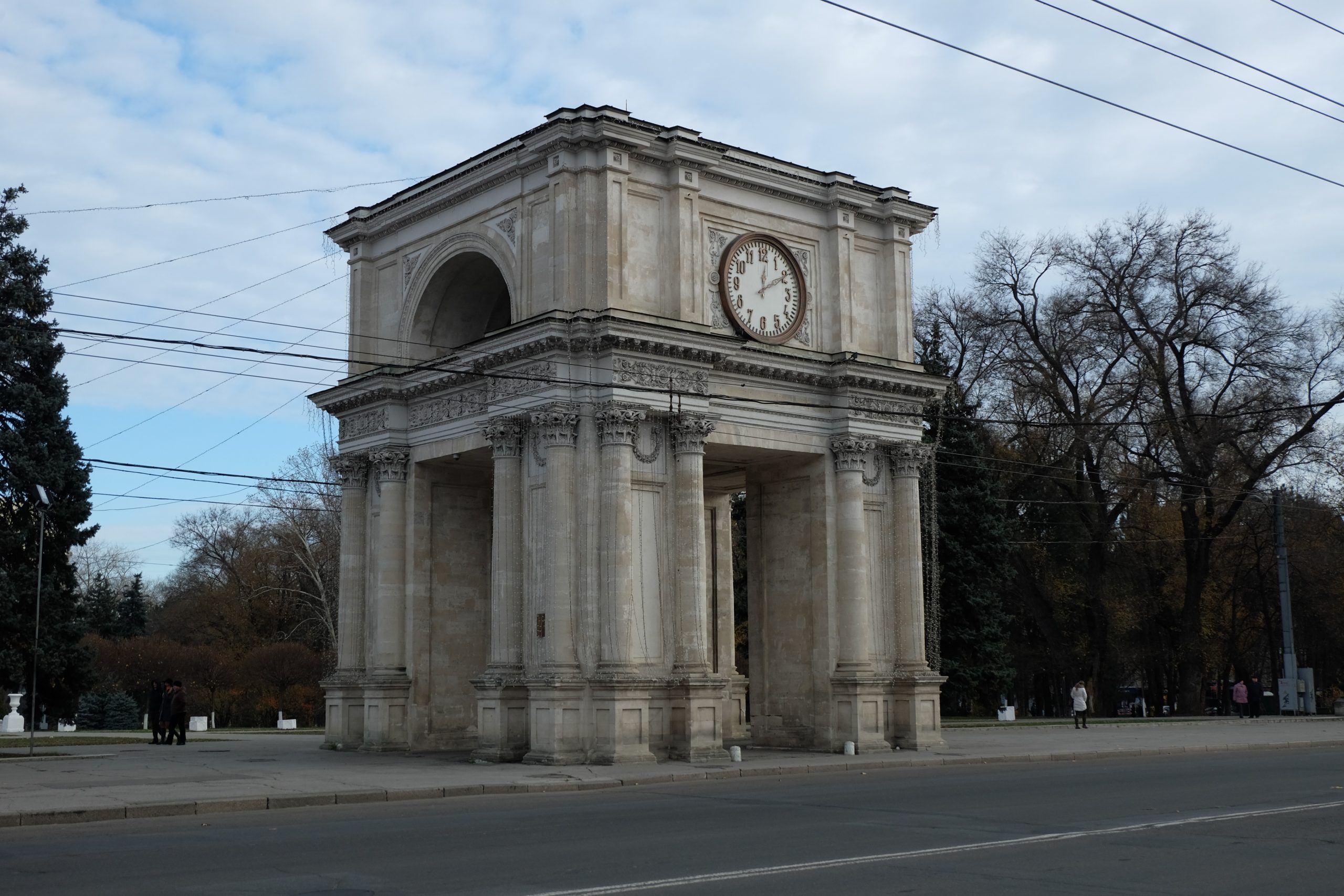
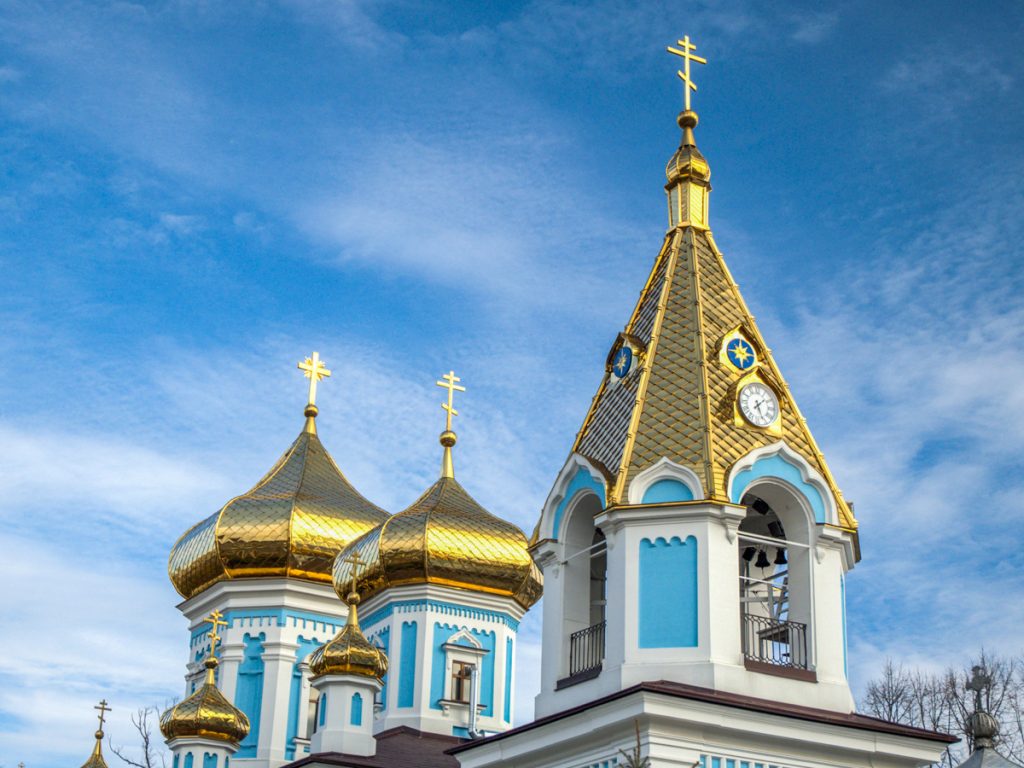
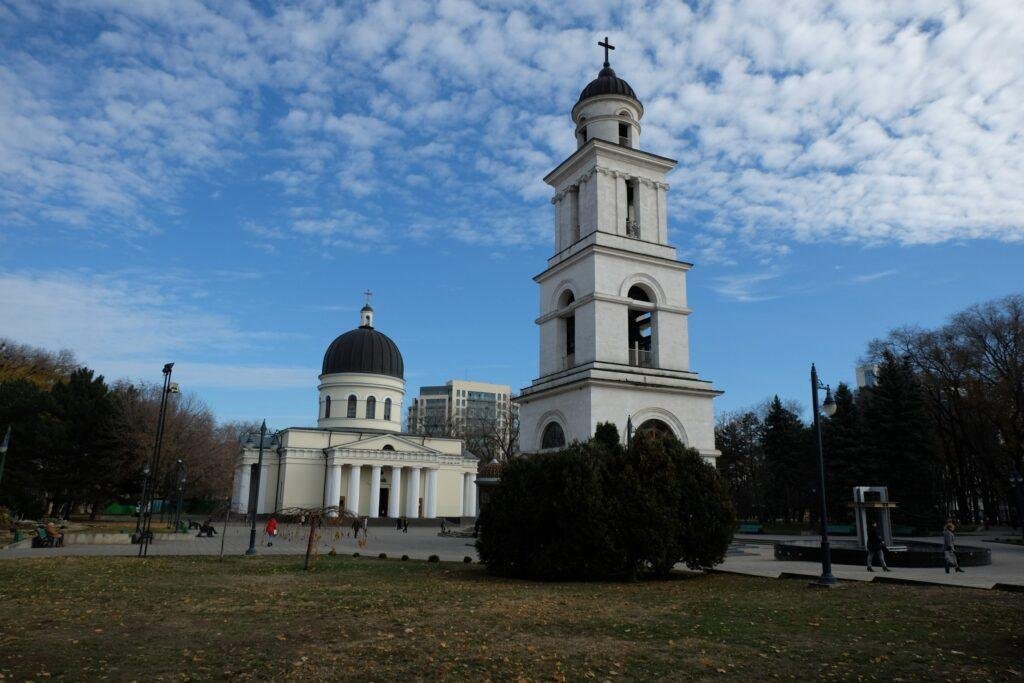
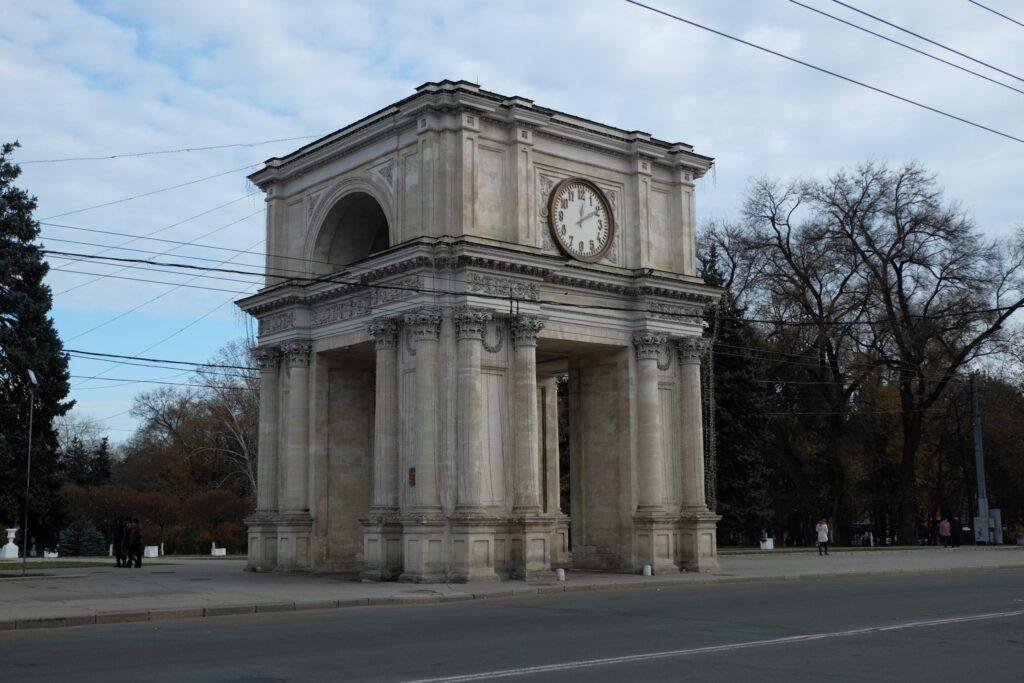
Visit Cathedral Park and the Nativity Cathedral, the principal Orthodox church of the city. Nearby stands the Triumphal Arch, constructed in 1841 and located beside the Great National Assembly Square.
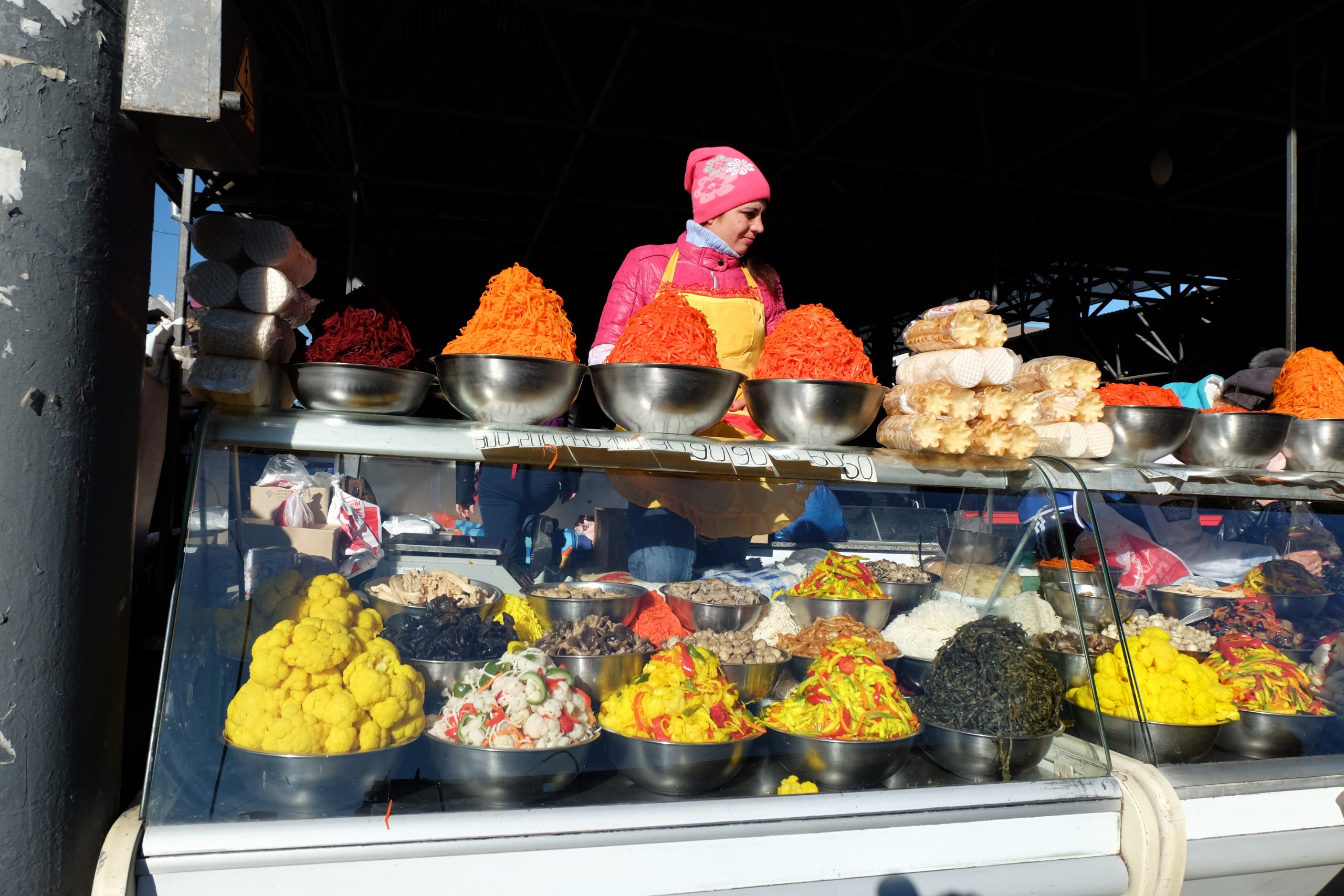
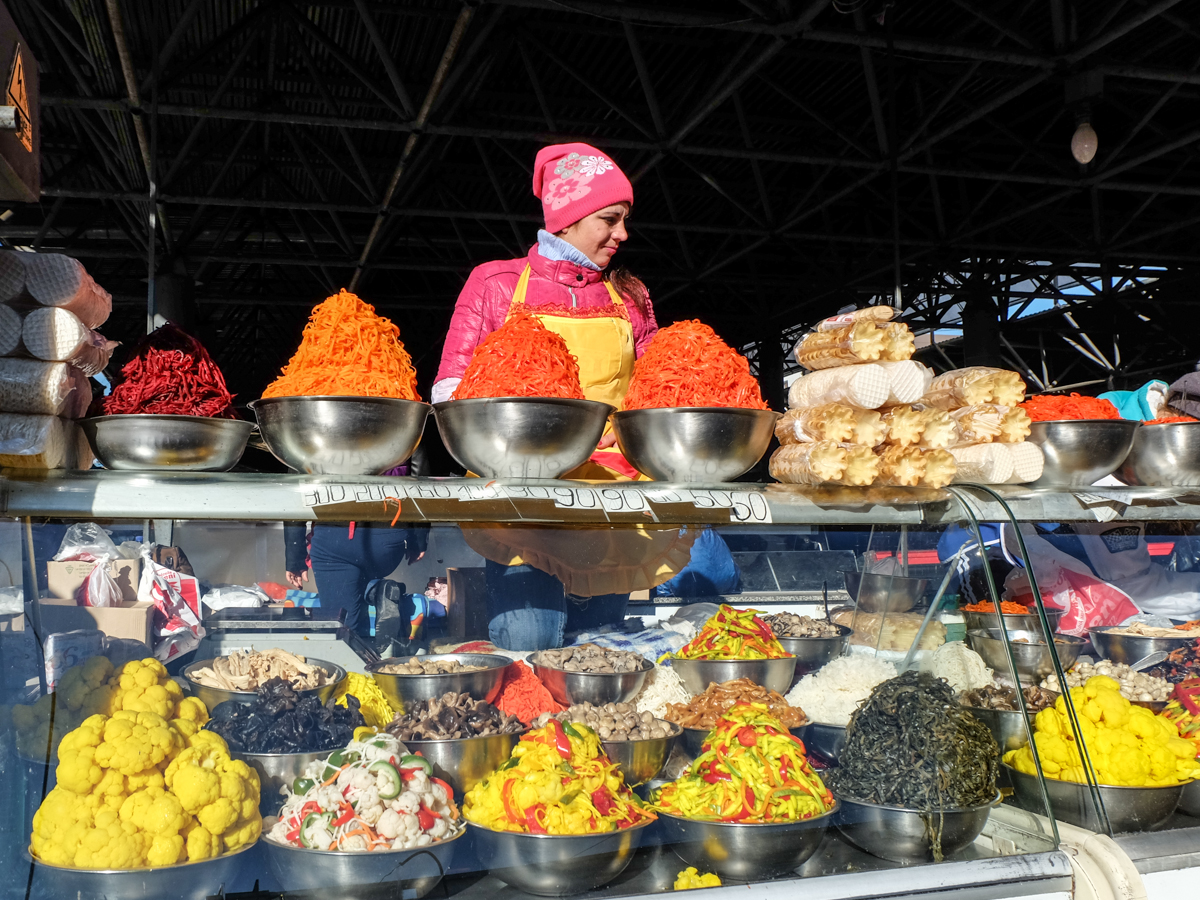
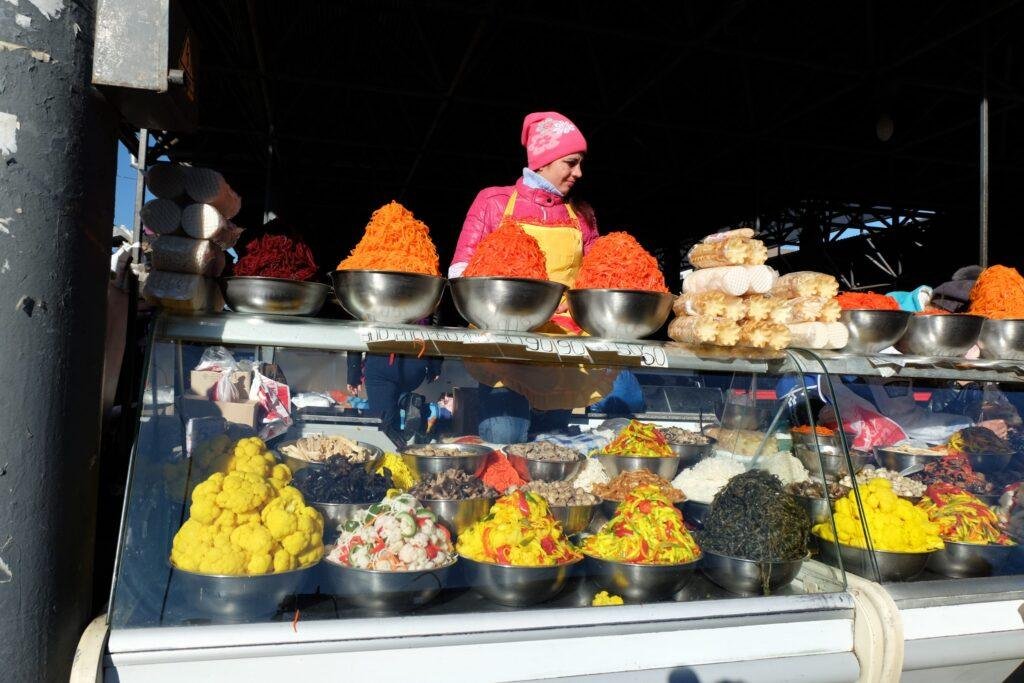
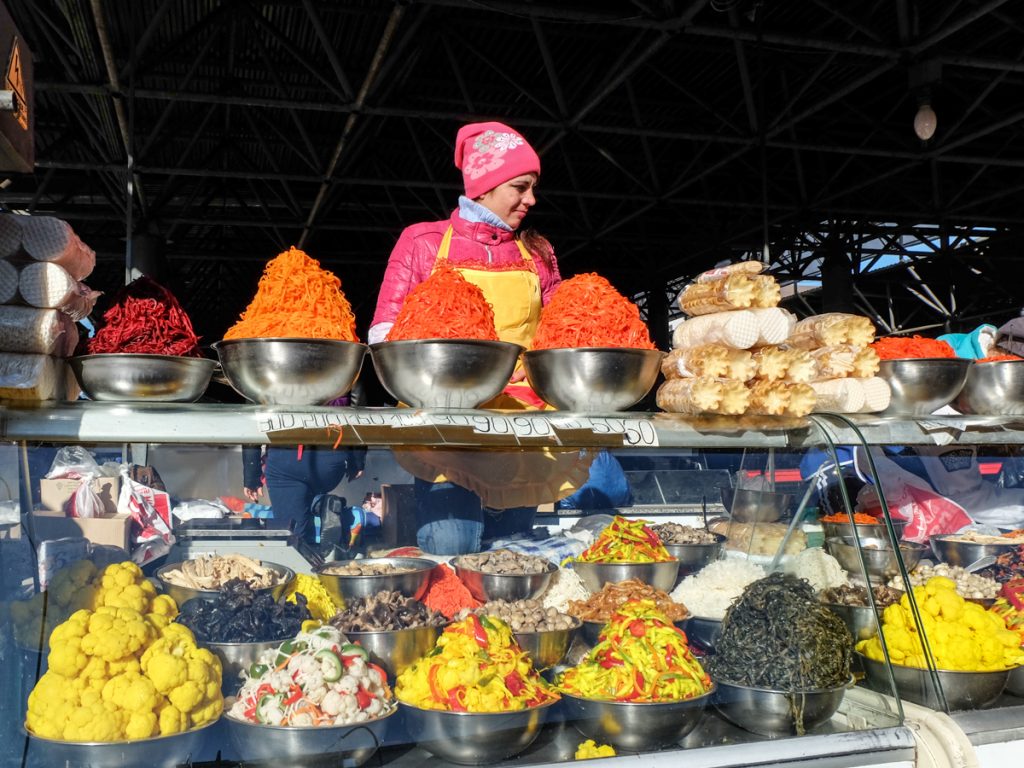
At the city’s artisan and flea markets, you can find local handicrafts, paintings, antiques and objects dating from the Soviet period.
Depending on your interests and the available time, the Chișinău city tour may also include:
- The Military Museum, which presents military equipment, documents and vehicles connected with the Soviet period.
- The Alexander Pushkin Museum, located in the house where the Russian poet lived during his exile.
After exploring Chișinău, continue towards Iași in north-eastern Romania.
Optional Visit: Cricova Winery
An optional tour and wine tasting can be arranged at Cricova Winery, located approximately 15 kilometres north of Chișinău.
The winery occupies an extensive network of underground limestone galleries. Stone extracted from these mines was used over several centuries for the construction of buildings in Chișinău and the surrounding towns.
Today, the underground galleries are used for wine production, ageing and storage.
Overnight in Iași at a centrally located hotel.
Optional Extra Day: Transnistria
An additional day can be added to the itinerary for a full-day excursion from Chișinău to Transnistria, one of Eastern Europe’s most unusual regions.
Travel east across the Dniester River and explore Tiraspol, the administrative capital of the self-proclaimed territory. Walk along its broad boulevards and central squares while observing Soviet-era architecture, Lenin monuments and Second World War memorials.
The city retains many visual elements associated with the former Soviet Union and is often described as an open-air museum of the Soviet period.
Please note that adding Transnistria requires extending the standard tour by one day.
Day 4: Iași Sightseeing Tour – Gura Humorului – Painted Monasteries of Bukovina
Located in north-eastern Romania, Iași developed at the intersection of historic trade routes connecting Poland, Hungary, Russia and Constantinople. For several centuries, it served as the political and cultural capital of Moldavia.
Walk along the city’s main pedestrian area towards the Palace of Culture. Continue to the Metropolitan Cathedral, inaugurated in the 19th century and designed by architect Alexandru Orăscu. Its interior was decorated by Romanian painter Gheorghe Tattarescu.
Since 1889, the cathedral has housed the relics of Saint Parascheva, the patron saint of Moldavia, making it one of the city’s most important pilgrimage sites.
Visit the Church of the Three Hierarchs, whose stone exterior is covered with elaborate Byzantine, Georgian, Armenian and Oriental decorative motifs.
During the Iași sightseeing tour, you can also admire several important 19th-century buildings commissioned by influential local families and institutions. These include:
- Iași City Hall, housed in the former Roznovanu Palace.
- The National Theatre, designed by the Viennese architects Ferdinand Fellner and Hermann Helmer.
After the Iași tour, continue towards Bukovina and the region of the Painted Monasteries.
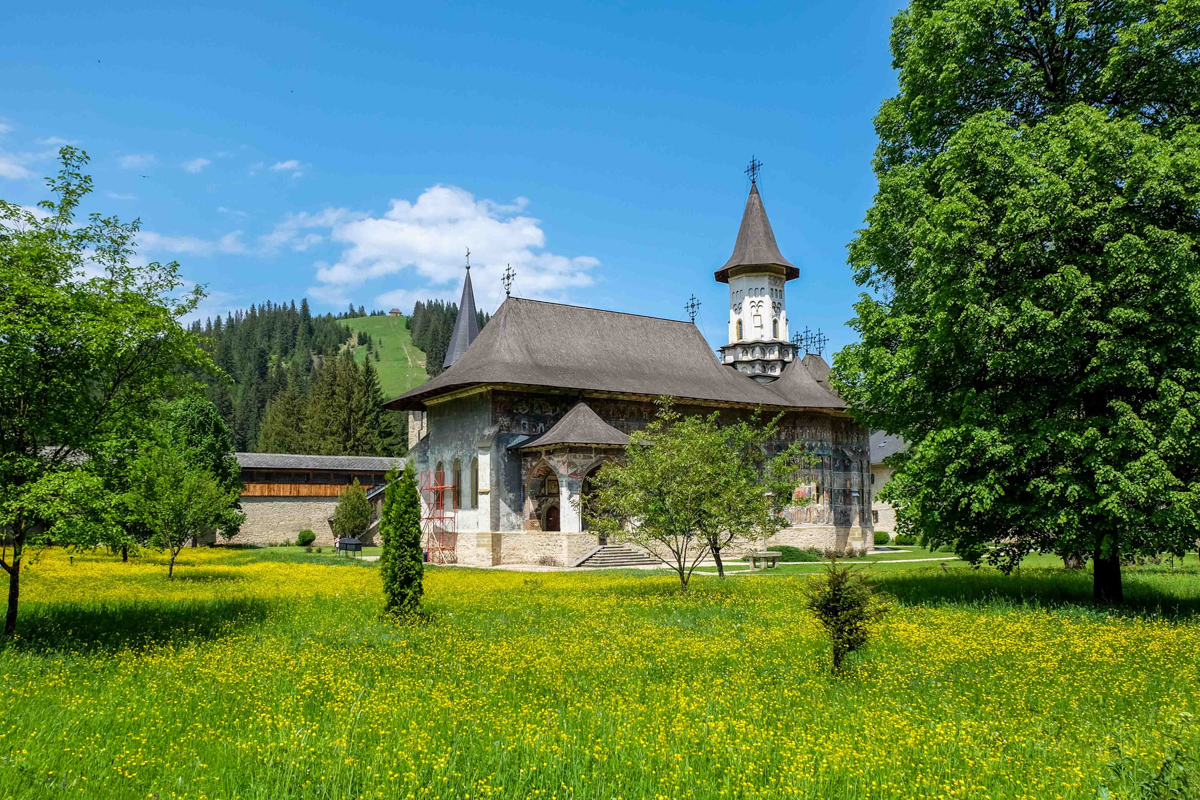
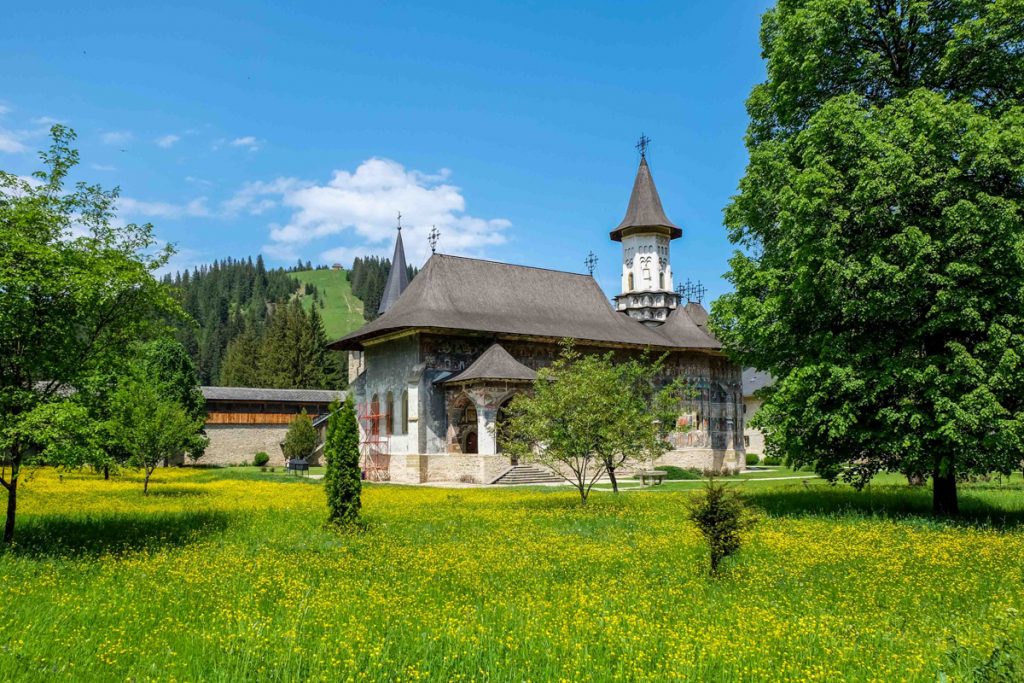
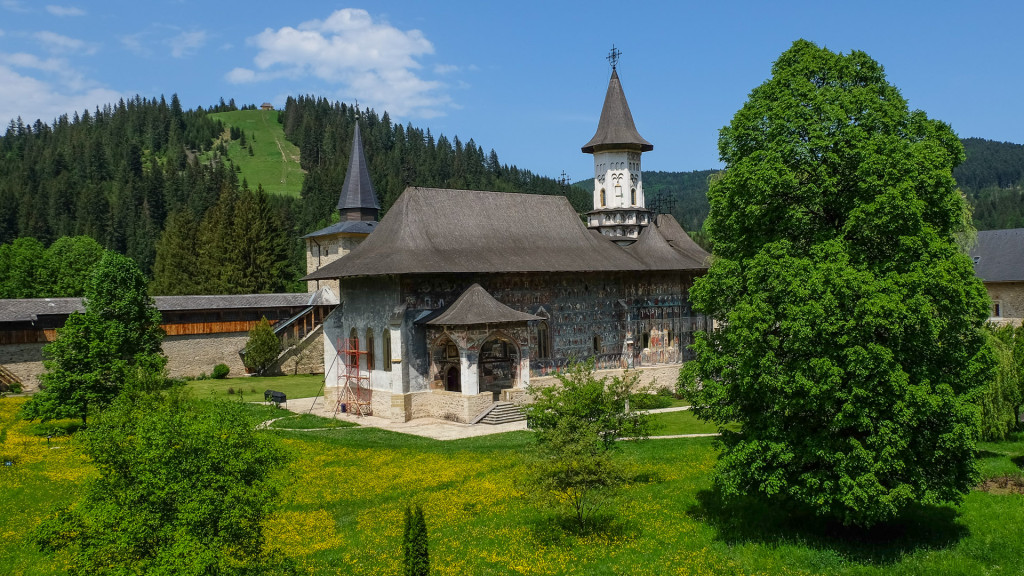
The monasteries and churches of Bukovina are known for their exterior frescoes, monastic traditions and religious art. The tour includes three of the region’s most important painted monasteries.
Voroneț Monastery
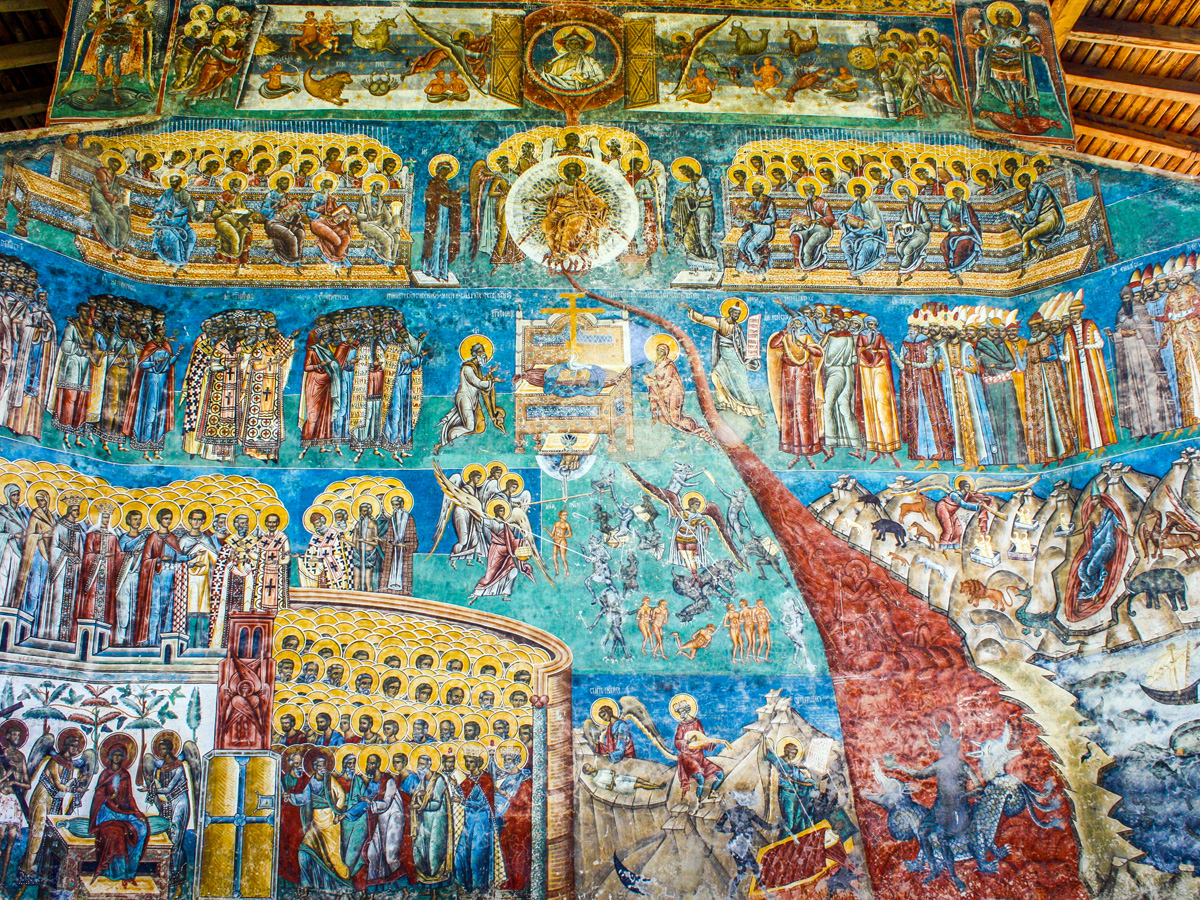
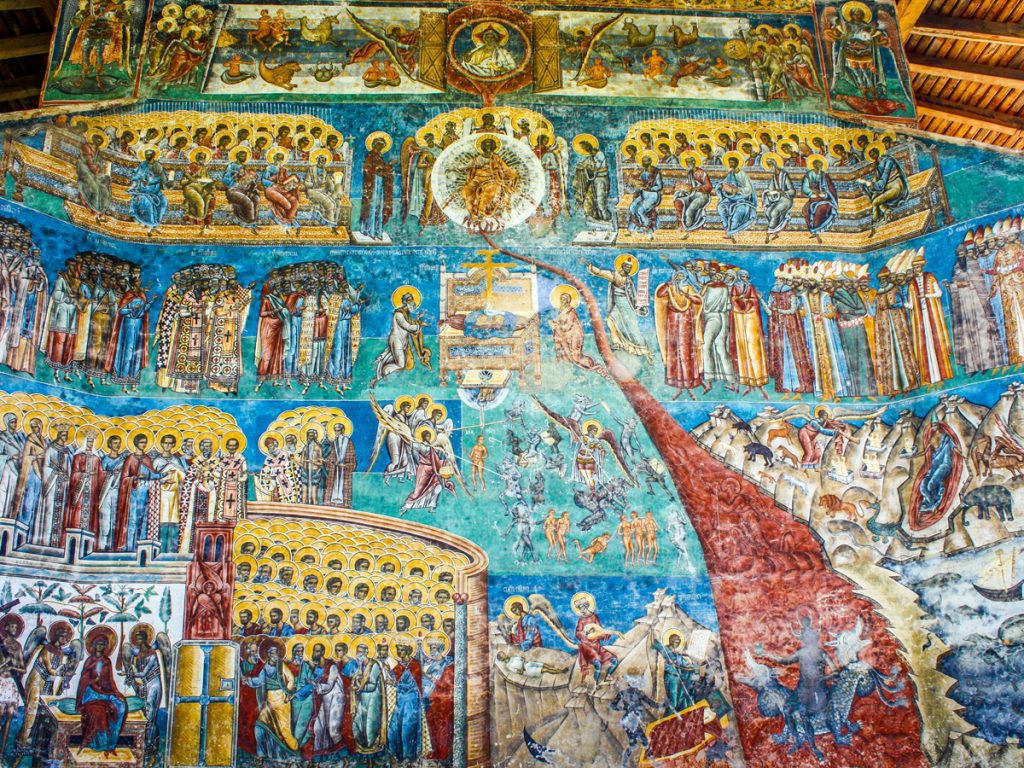
Voroneț Monastery was commissioned by Stephen the Great in 1488. According to tradition, the ruler promised to build the monastery after the hermit Daniel of Voroneț predicted his victory in a battle against the Ottoman forces.
The monastery is particularly famous for the intense blue colour used in its exterior frescoes. Its representation of the Last Judgement is considered one of the most important compositions among the painted churches of Bukovina.
Moldovița Monastery
Moldovița is a fortified monastery surrounded by peaceful countryside. Its exterior frescoes include a detailed representation of the Siege of Constantinople.
The monastery combines defensive architecture with religious paintings intended to communicate biblical and historical stories to the local population.
Sucevița Monastery
Sucevița is the largest of the monasteries included in the tour and is surrounded by high defensive walls and corner towers.
One of its most distinctive exterior frescoes is the Ladder of Divine Ascent, also known as the Staircase of Virtue. The composition represents the spiritual journey from earthly life towards salvation through a sequence of 30 symbolic steps.
Optional Visit: Painted Eggs Museum and Workshop
An optional visit can be arranged at a painted eggs museum and workshop. Here, you can learn about the traditional techniques used to decorate eggshells and discover the symbols and regional motifs associated with this custom.
Overnight in Gura Humorului at Hotel Dukat 4-star or similar.
Day 5: Gura Humorului – Bicaz Gorges – Red Lake – Sighișoara
Today’s journey is longer but follows one of the most scenic routes of the tour. Leave Bukovina and travel towards Transylvania through the Eastern Carpathian Mountains.
After several hours, reach the Ceahlău region and Bicaz Gorges. The road passes between steep limestone walls that rise to approximately 300 metres in some areas, creating one of Romania’s most dramatic mountain passages.
Continue to Red Lake, a natural lake formed in 1837 after a landslide blocked a mountain valley. The trunks of trees from the flooded forest remain visible above the water, giving the lake its distinctive appearance.
Continue to Sighișoara in the evening.
Overnight in Sighișoara at Casa cu Cerb Guesthouse or similar.
Day 6: Sighișoara – Biertan Fortified Church – Sibiu
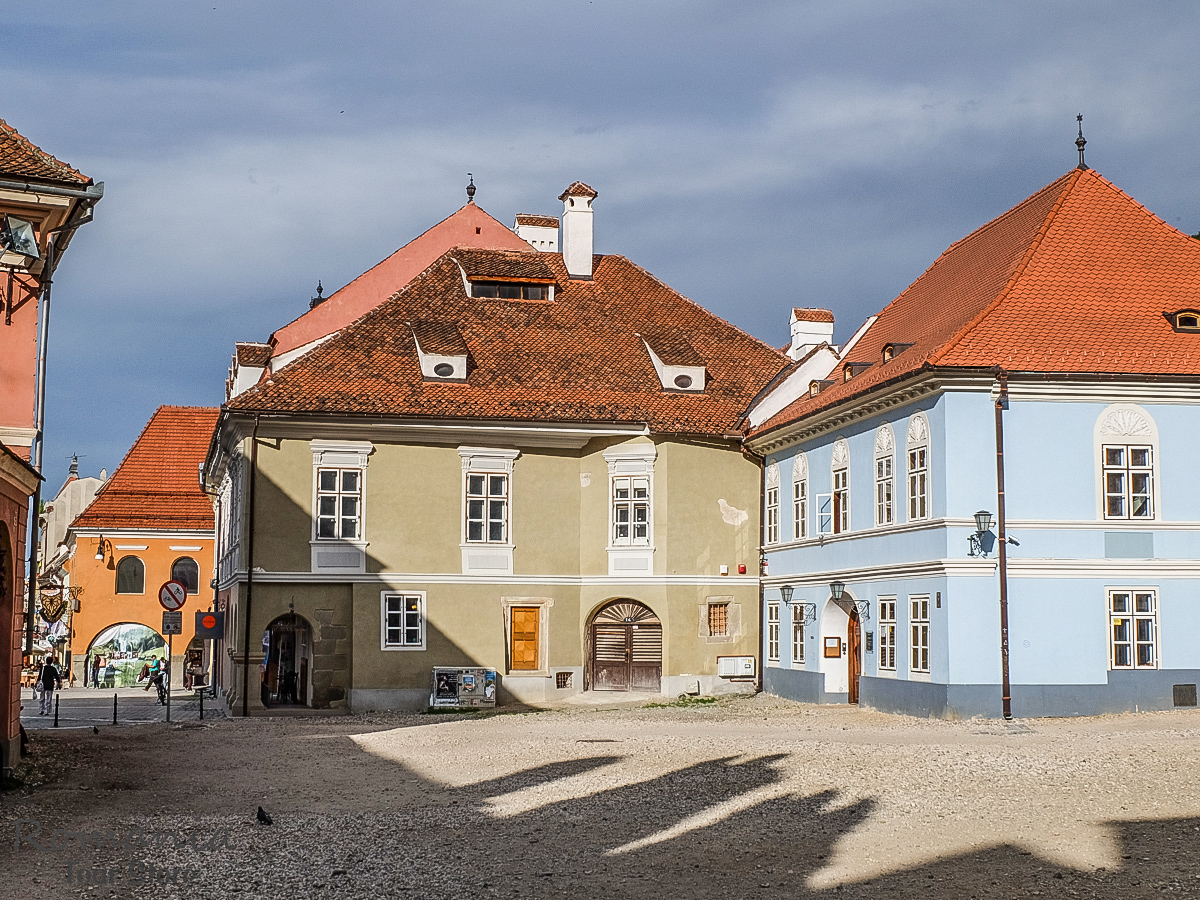
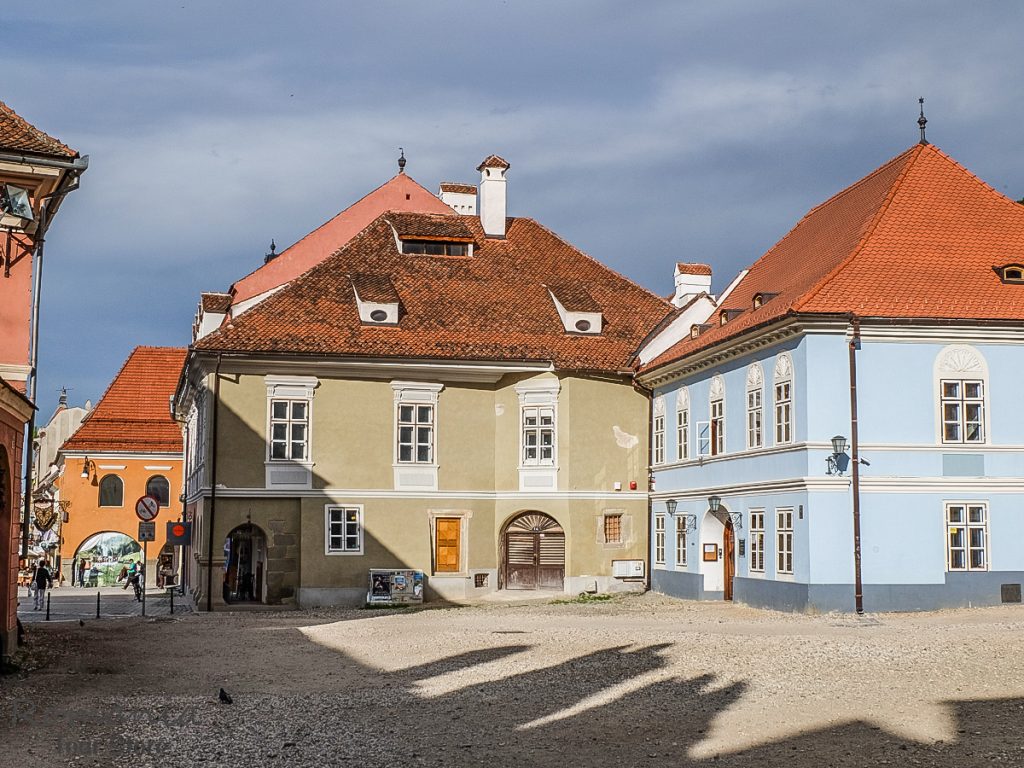
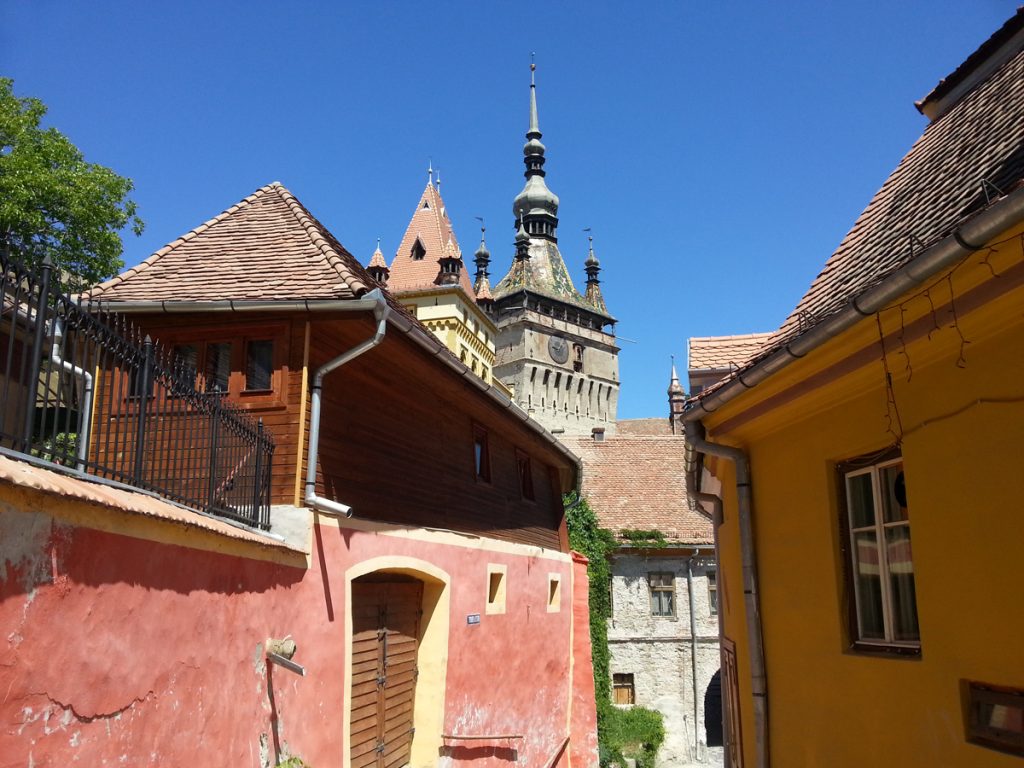
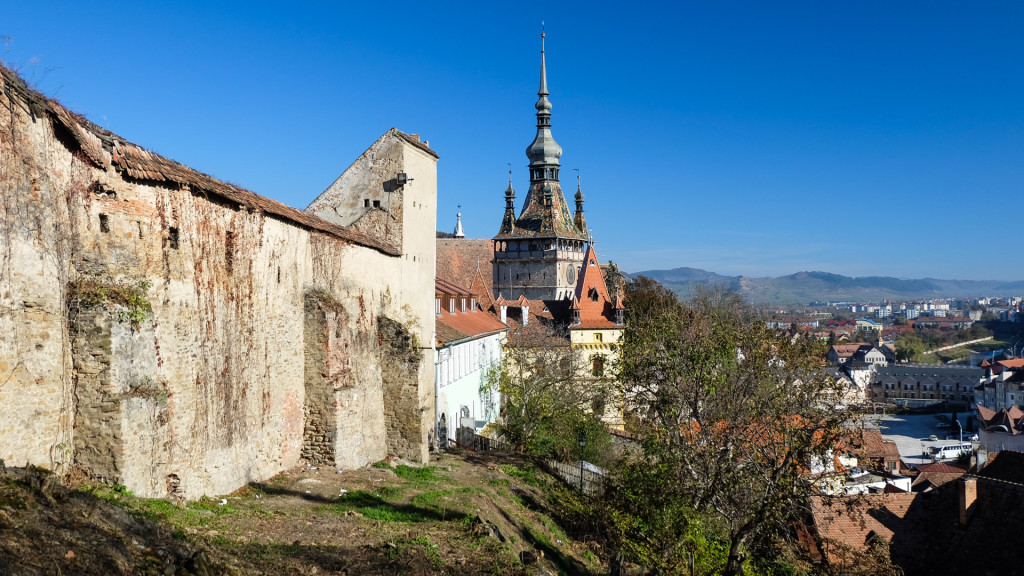
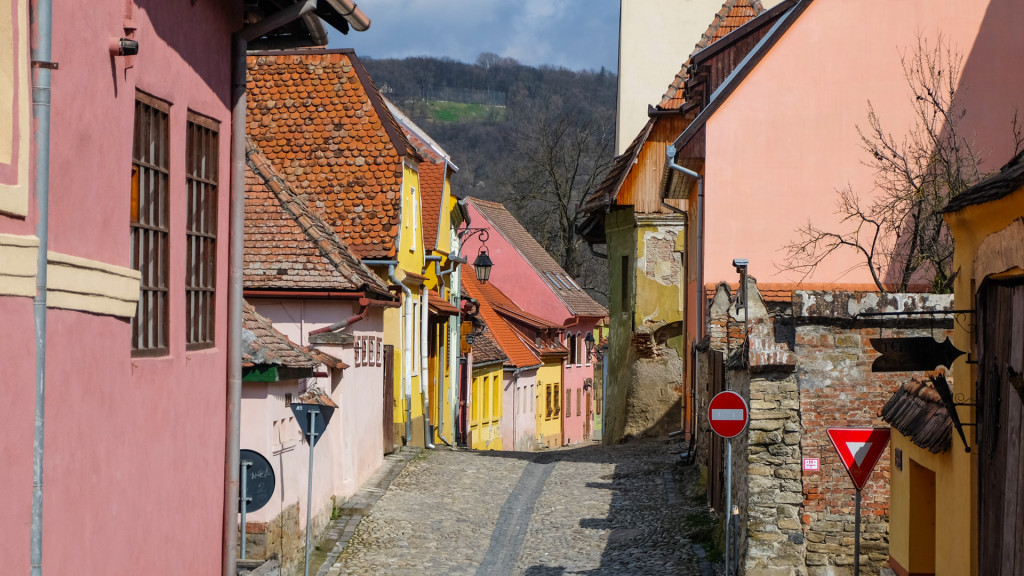
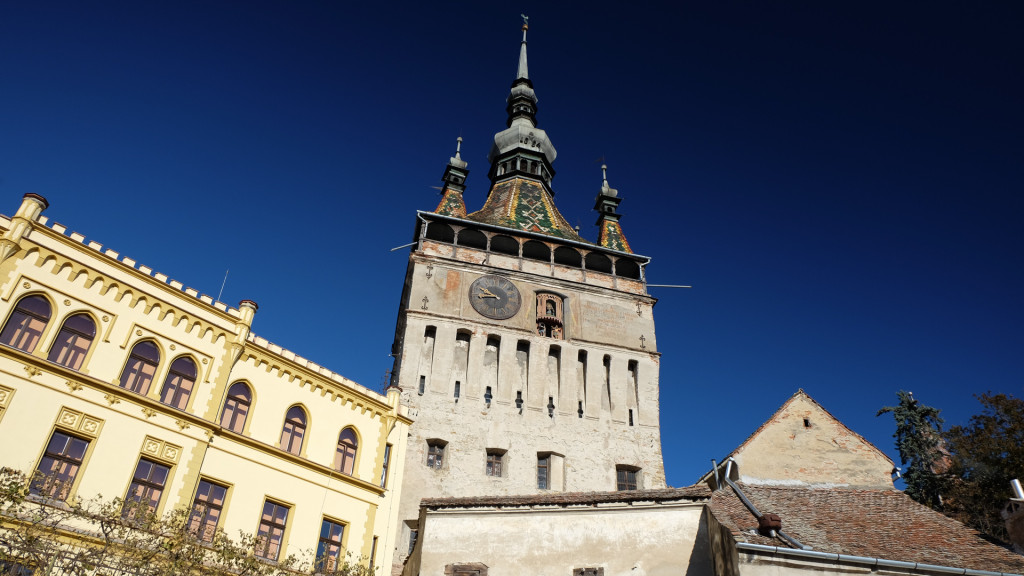
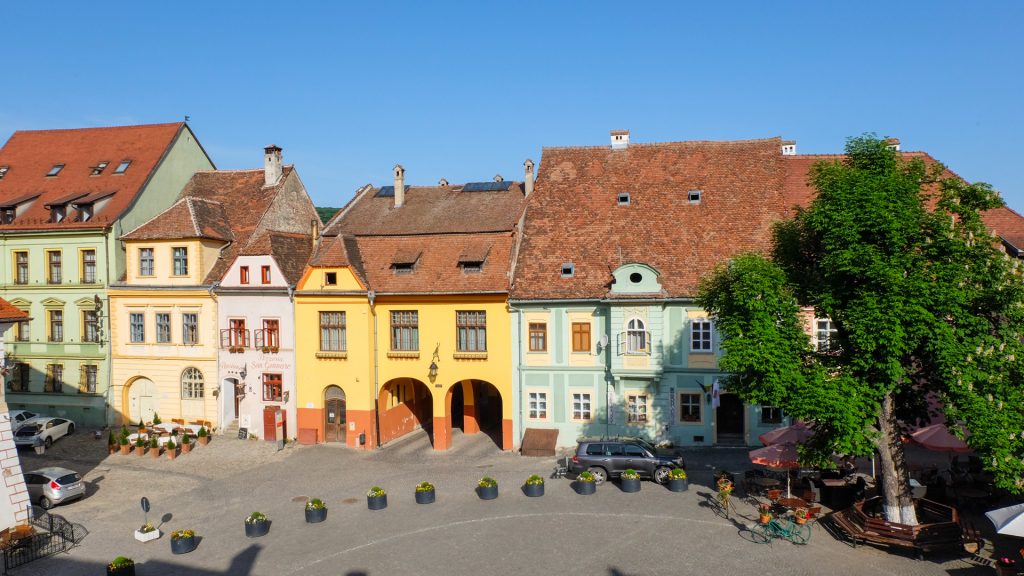
Begin the day with a walking tour of Sighișoara, one of Romania’s best-preserved medieval towns.
The historic centre is still inhabited and is surrounded by medieval walls, towers and defensive structures. Its narrow streets and colourful houses reflect the history of the Transylvanian Saxon community.
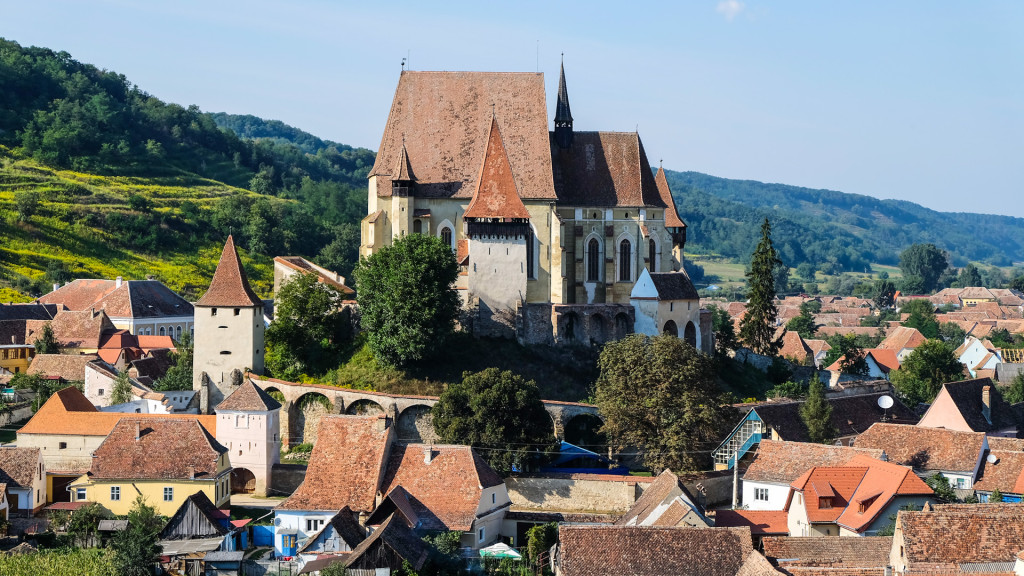
Continue towards Biertan, one of the earliest Saxon settlements in Transylvania.
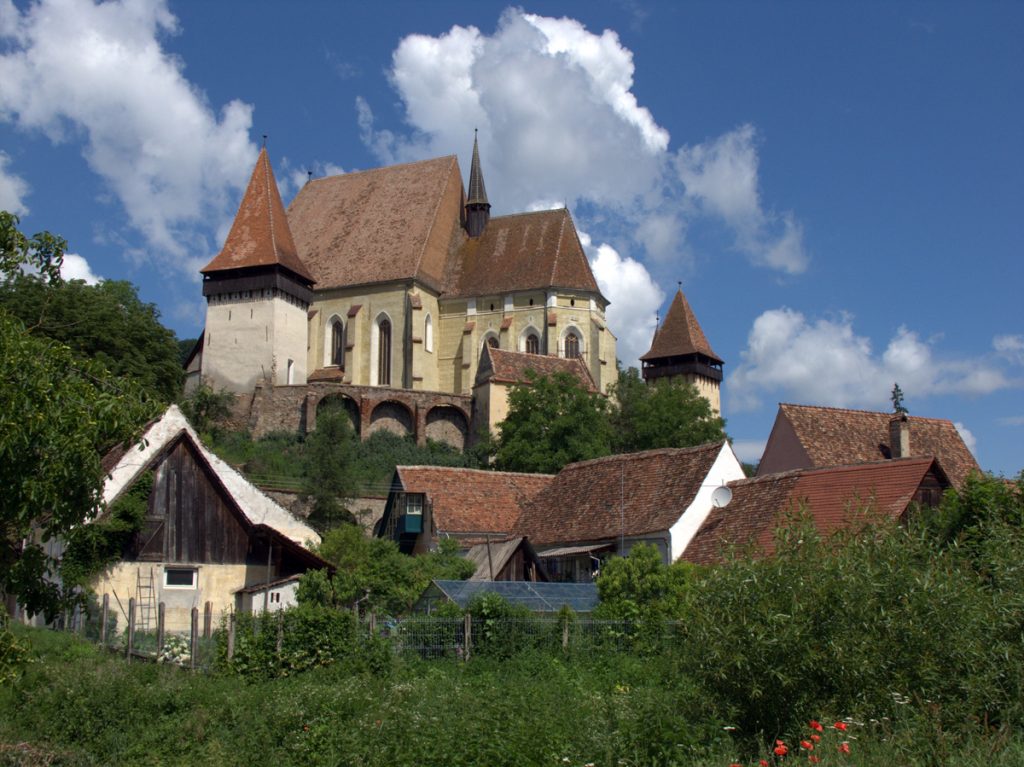
Visit the early 16th-century fortified church, positioned on a hill and protected by three lines of defensive walls and several towers. For almost 300 years, Biertan was the seat of the Lutheran bishop of Transylvania.
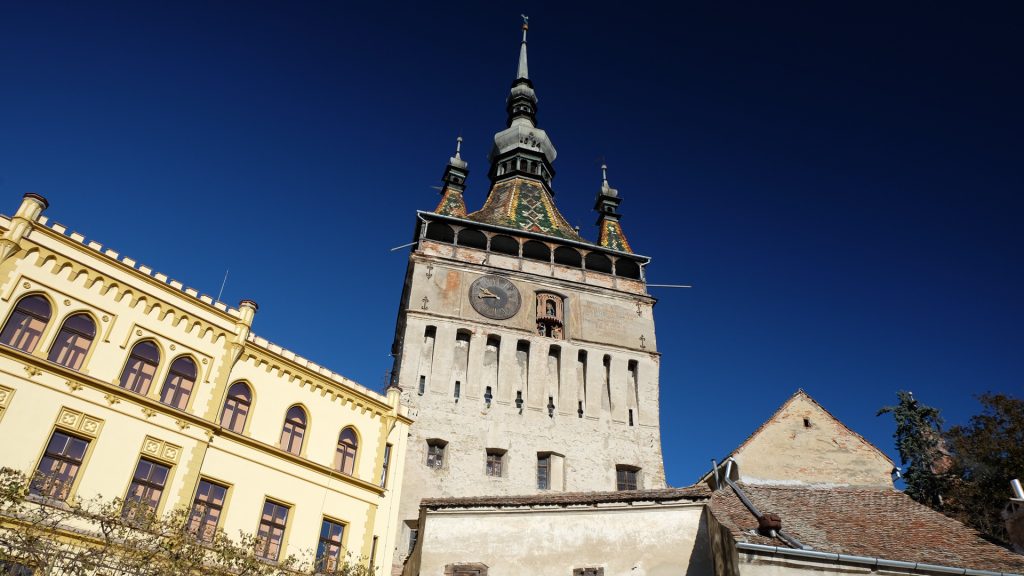
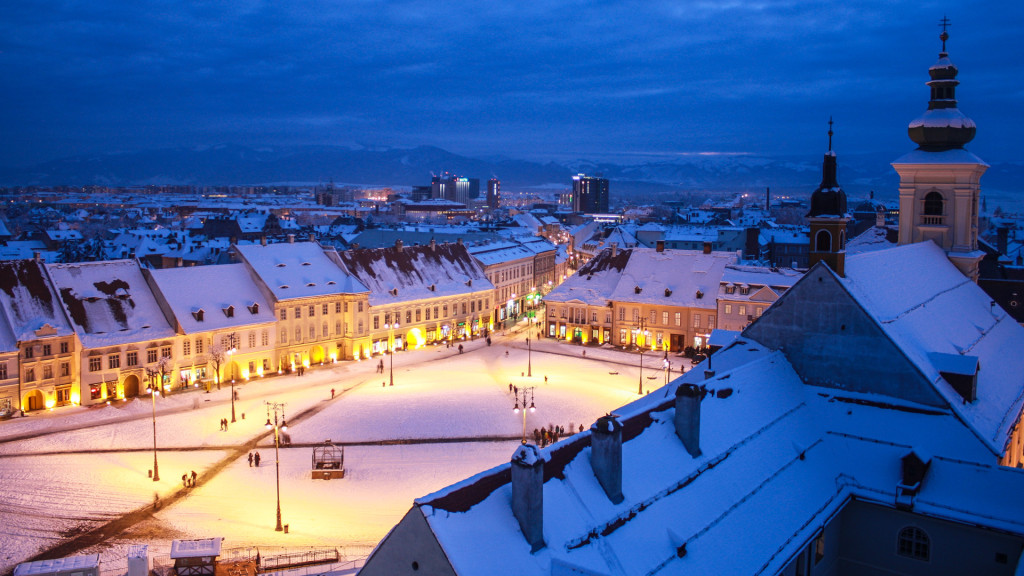
In the afternoon, travel to Sibiu, one of the most important historic Saxon cities in Romania. Founded during the medieval period, Sibiu is known for its preserved architecture, museums, churches, restaurants and historic squares.
The walking tour begins in the Large Square, once used for public gatherings, markets and executions. Pass through the Council Tower to reach the Small Square, where merchants once sold their goods.
Stop at the Bridge of Lies and listen to the legends and stories associated with one of Sibiu’s best-known landmarks.
Overnight in Sibiu at Republique Hotel or similar.
Day 7: Sibiu – Hunyadi Castle – Alba Iulia Fortress – Sibiu
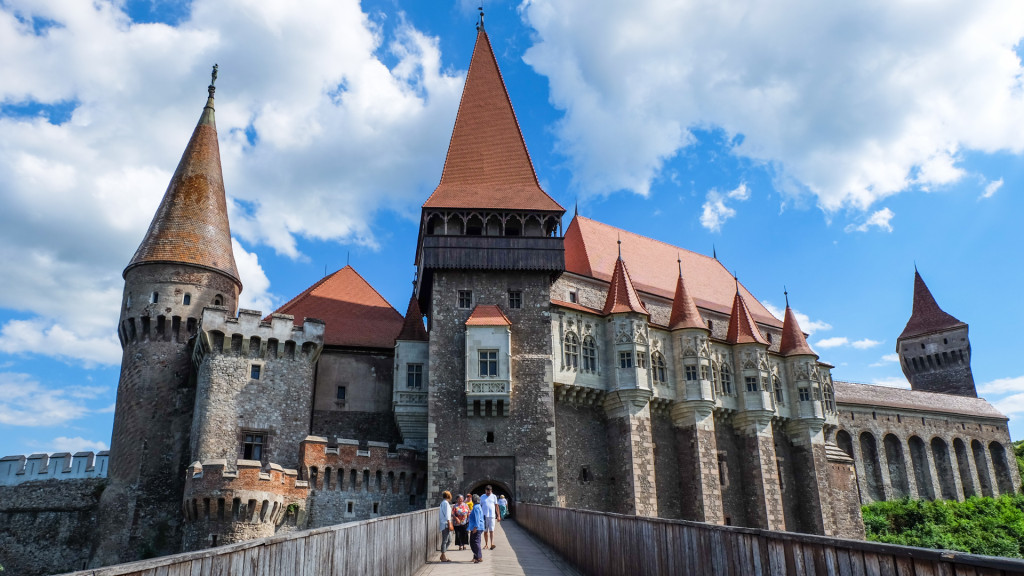
After breakfast, meet your guide at the hotel and travel to Hunedoara to visit Hunyadi Castle, also known as Corvin Castle.
The castle originated in the 14th century and was later rebuilt and expanded by John Hunyadi and his son, Matthias Corvinus. It served both as a noble residence and as an important strategic stronghold.
The castle’s towers, courtyards, halls and defensive structures illustrate several stages of medieval construction. Like many old fortresses, Corvin Castle is also connected with local legends, including stories about prisoners, hidden passages and supernatural events.
Continue to Alba Iulia, a city associated with Roman, medieval and modern Romanian history.
Known as Apulon during the Dacian period, the settlement later became Apulum, one of the most important Roman military and administrative centres in the province of Dacia.
Between 1541 and 1690, Alba Iulia served as the capital of the Principality of Transylvania.
The present Alba Carolina Citadel was constructed during the 18th century over earlier Roman and medieval fortifications. Designed in the Vauban style, the star-shaped fortress is one of the best-preserved citadels of its kind in Romania. Return to Sibiu in the evening.
Overnight in Sibiu.
Optional Excursion: Sarmizegetusa Regia
Travellers interested in Dacian and Roman history may add an excursion to Sarmizegetusa Regia after visiting Hunyadi Castle.
Located in the Orăștie Mountains, Sarmizegetusa Regia was the political, religious and military centre of the Dacian Kingdom before the Roman conquest.
The archaeological site includes defensive walls, sacred areas, terraces and the remains of an important ancient mountain settlement.
Day 8: Sibiu – Transfăgărășan – Poienari Fortress – Curtea de Argeș – Bran or Brașov
Leave Sibiu and cross the Carpathian Mountains towards Wallachia.
From June to November, the route follows the Transfăgărășan, one of Romania’s most scenic mountain roads. The road climbs through alpine landscapes before descending through the Argeș Valley.
Continue towards Poienari Fortress, a stronghold associated with Vlad the Impaler, the historical ruler who later influenced the Dracula legend.
The ruins are located on a steep hill above the Argeș Valley. Access normally involves climbing approximately 1,480 steps through the forest. From the upper area, visitors can see the surrounding mountains and the valley below.
Not far from Poienari Fortress, visit Curtea de Argeș Monastery. The church is known for its unusual architectural form and detailed exterior decoration. Its design combines Byzantine traditions with Oriental and Moorish influences.
After the visit, travel through the mountain corridor connecting Wallachia and Transylvania. Along the way, enjoy views of the Carpathian Mountains and pass through rural communities situated near the Bucegi and Piatra Craiului massifs.
Overnight in Bran village or Brașov.
Seasonal Route Alternative
When the Transfăgărășan high-altitude road is closed, the itinerary must be adjusted according to weather and road conditions.
Access to the Bâlea Lake area may be possible by cable car from Bâlea Waterfall when the cable car is operating and weather conditions permit.
Day 9: Bran Castle – Brașov Sightseeing Tour – Peleș Castle – Bucharest
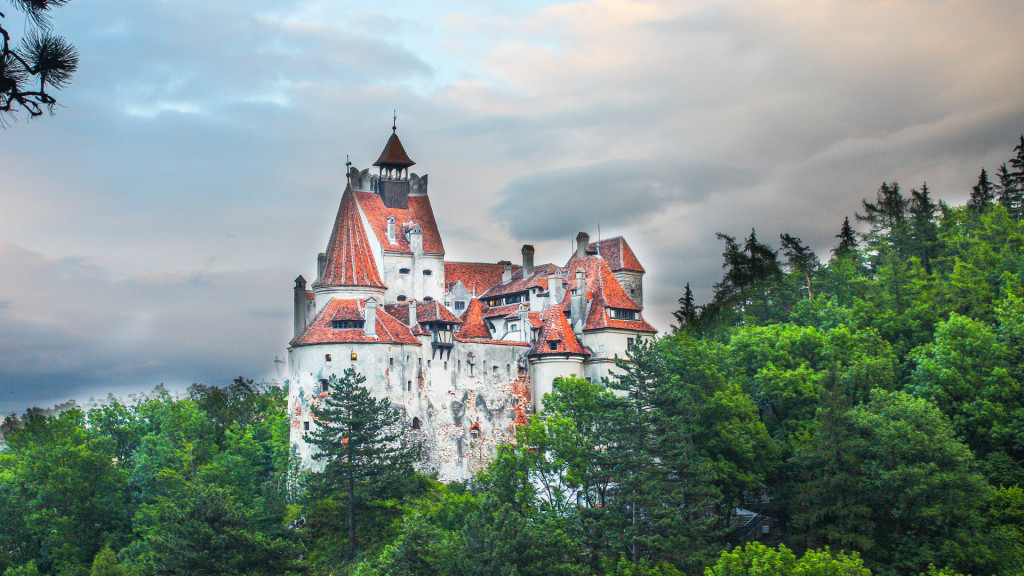
Begin the morning with a visit to Bran Castle.
The name Bran is believed to have Slavic origins and is connected with the idea of a passage or gateway. Since ancient times, the Bran corridor has provided an important route between Transylvania and Wallachia.
As the region was exposed to attacks by Ottoman, Tatar and other armies, the Transylvanian Saxons built fortifications to protect the mountain passes.
Bran Castle was constructed in 1377 to defend the Bran Pass. It also protected Brașov from possible attacks from the south and functioned as a customs point along the commercial route.
Although the castle is widely promoted through its connection with Dracula, Vlad the Impaler did not live here. He may, however, have passed through the region during his military campaigns.
Continue to Brașov, located only a short drive from Bran.
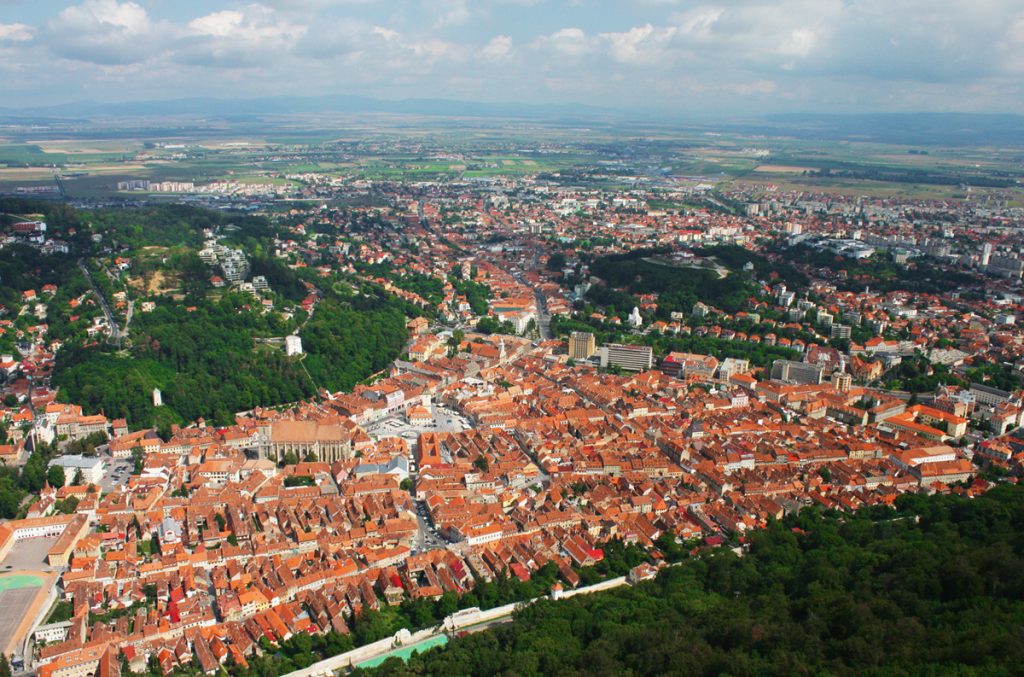
During the Brașov Old Town walking tour, discover some of the city’s most important medieval landmarks.
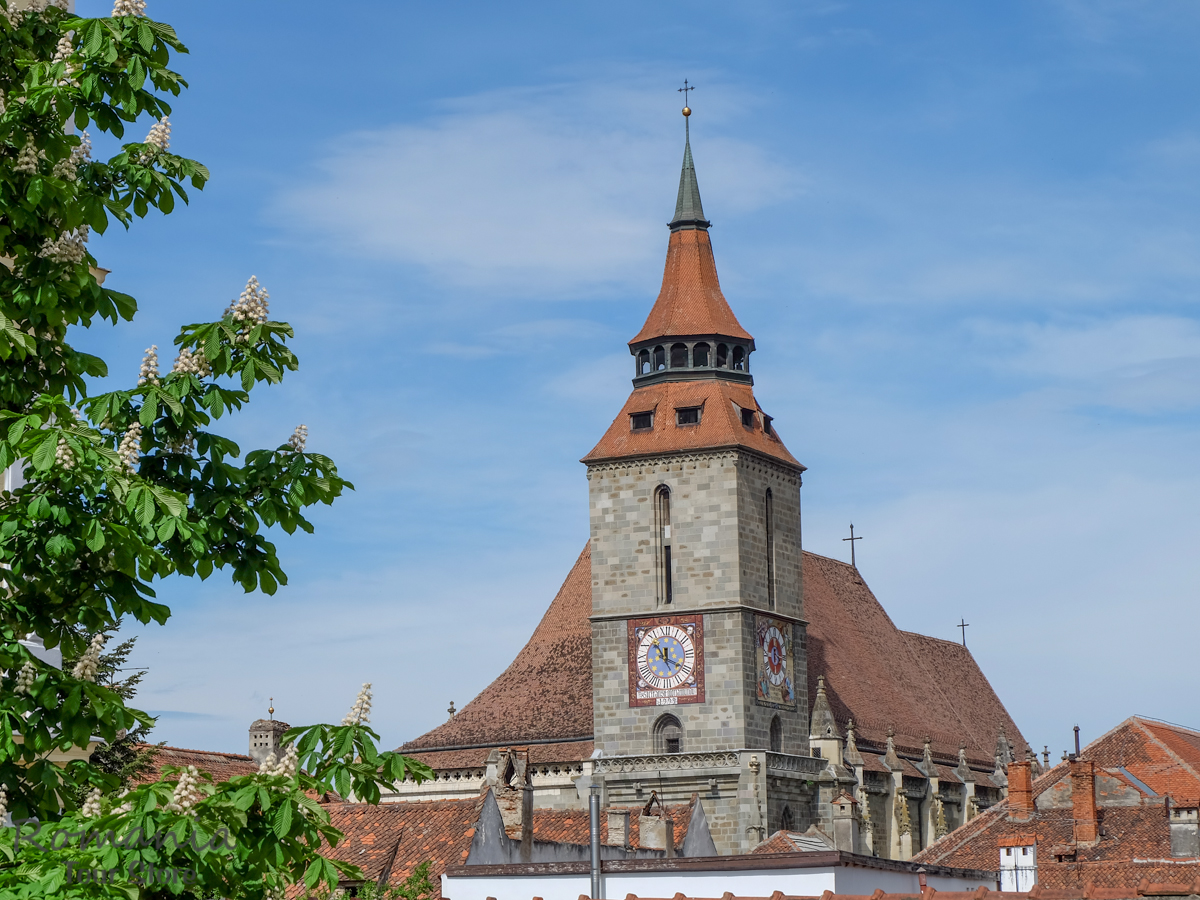
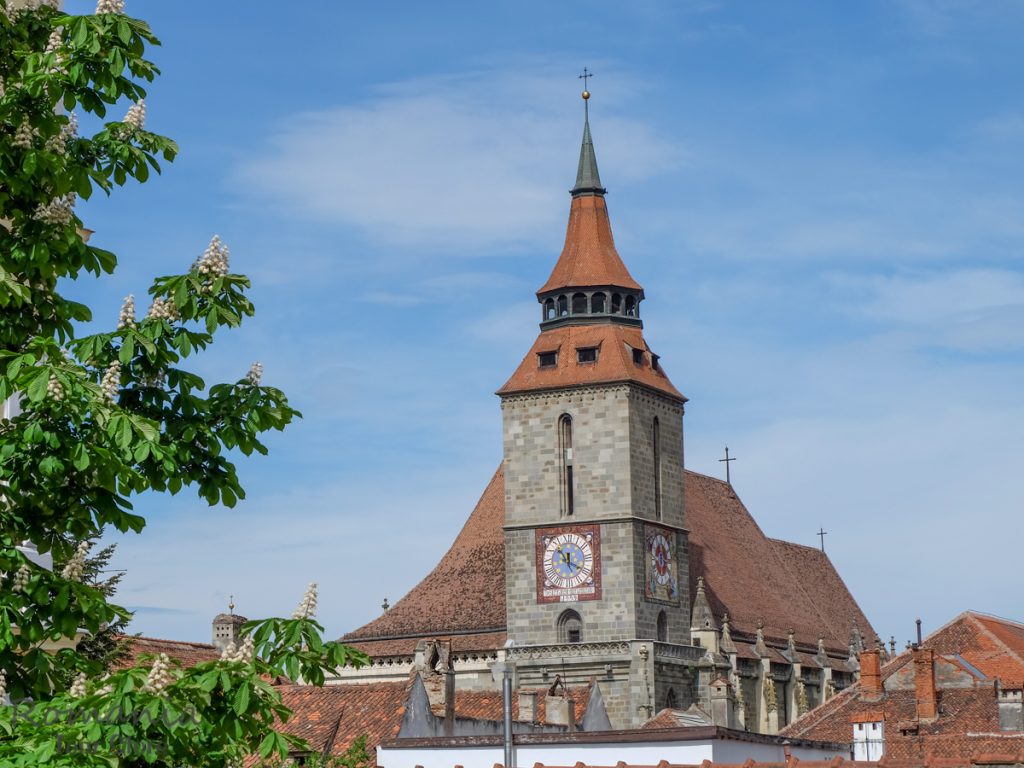
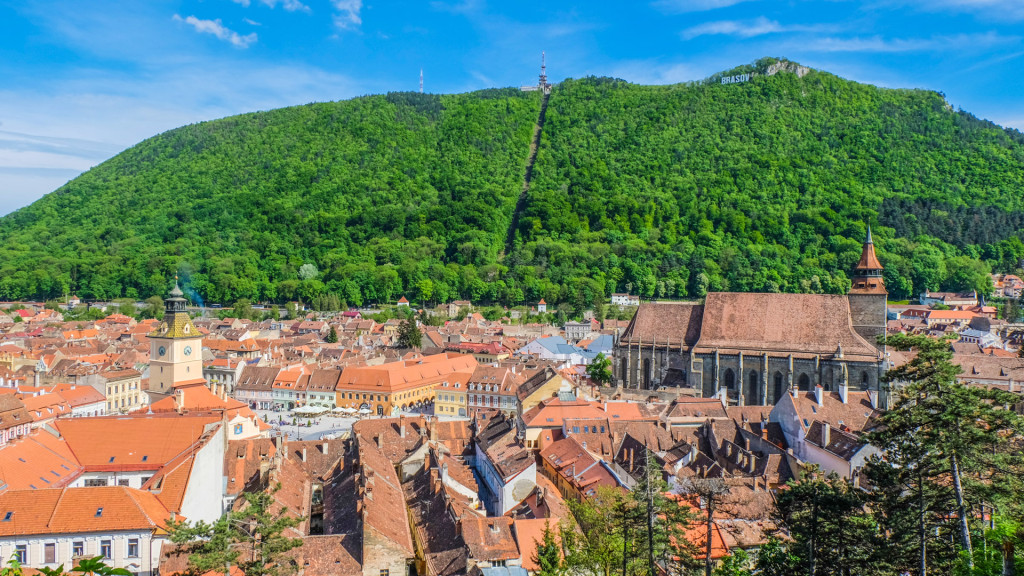
Visit the Black Church, an important example of Gothic architecture in Romania, and learn about the events and legends connected with the building.
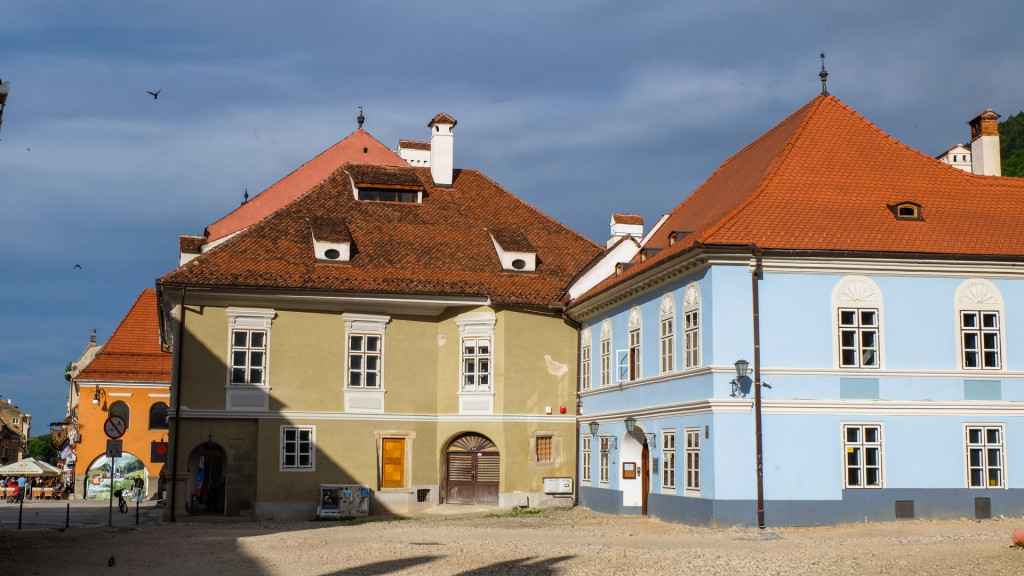
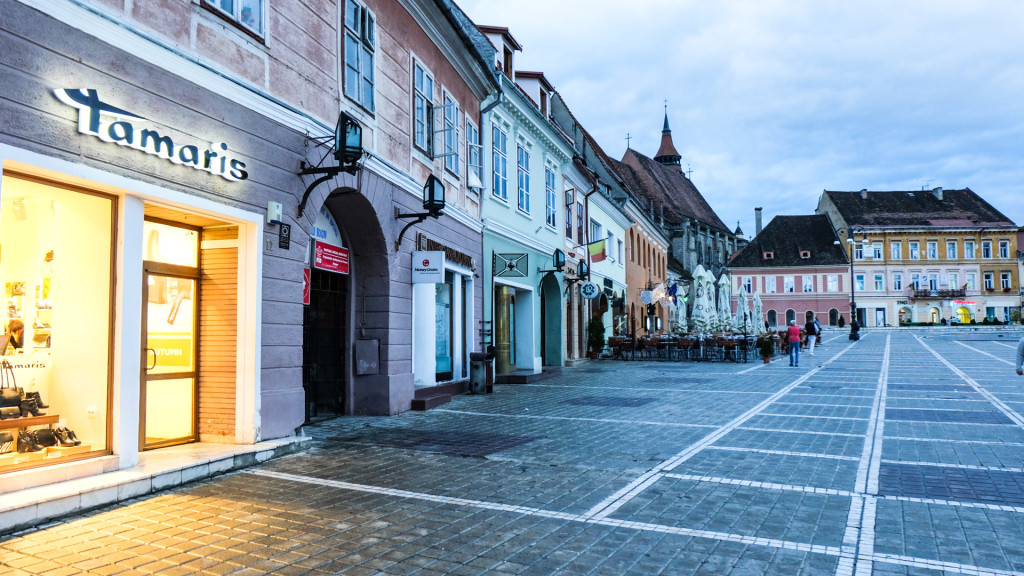
Walk through Council Square, the historic centre of Brașov, surrounded by colourful merchant houses. Continue to Catherine’s Gate, the only fully preserved medieval gate dating from the 16th century.
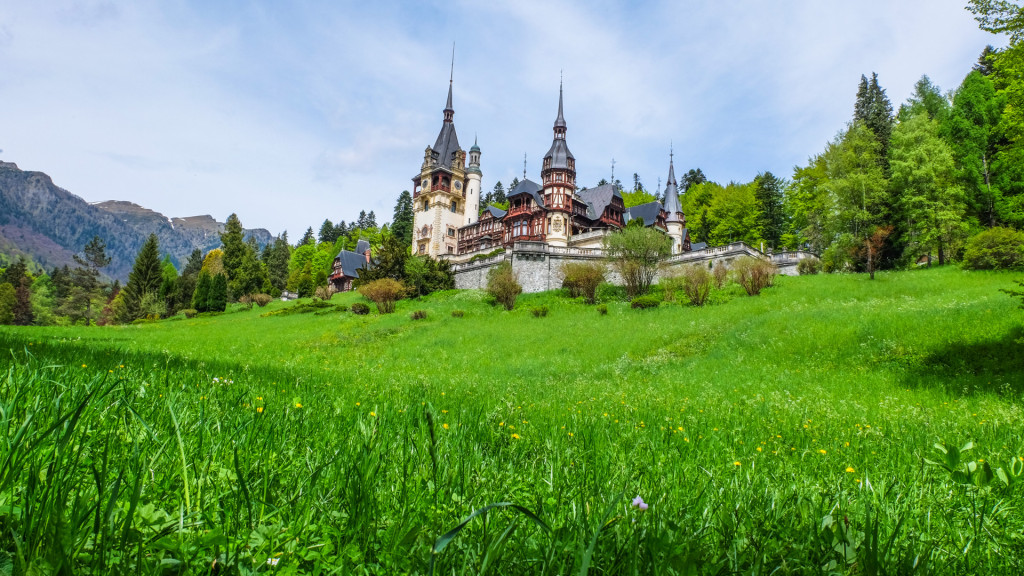
After the Brașov tour, travel towards Sinaia and visit Peleș Castle.
Built as a royal residence in the Carpathian Mountains, Peleș Castle is closely connected with Romania’s first royal family. Its architecture and decorated interiors reflect the tastes of King Carol I and the European artistic influences of the late 19th and early 20th centuries.
After visiting Peleș Castle, continue to Bucharest, where the Romania, Bulgaria and Republic of Moldova tour ends.
Optional Experiences and Tour Extensions
Several optional visits can be added to the standard itinerary, depending on the available time, opening schedules and traveller interests:
- Cricova Winery tour and wine tasting
- An additional day in Transnistria
- Painted Eggs Museum and workshop
- Sarmizegetusa Regia
Optional visits may require itinerary adjustments or an additional night.
Explore Three Countries on One Private Tour
This 9-day Romania, Bulgaria and Republic of Moldova itinerary is suitable for travellers interested in regional history, architecture, religious heritage and mountain scenery.
The route combines medieval Bulgarian landmarks, the urban and Soviet heritage of Chișinău, the historic cities of Moldavia, the painted monasteries of Bukovina and the castles and fortified towns of Transylvania.
Contact us for information about available departure dates, confirmed accommodation, optional excursions and the final tour schedule.
What’s included
Key facts
FROM
€1750.00
Select the number of people to see the final price
Total
€1750.00
See more tours..
12 days
English
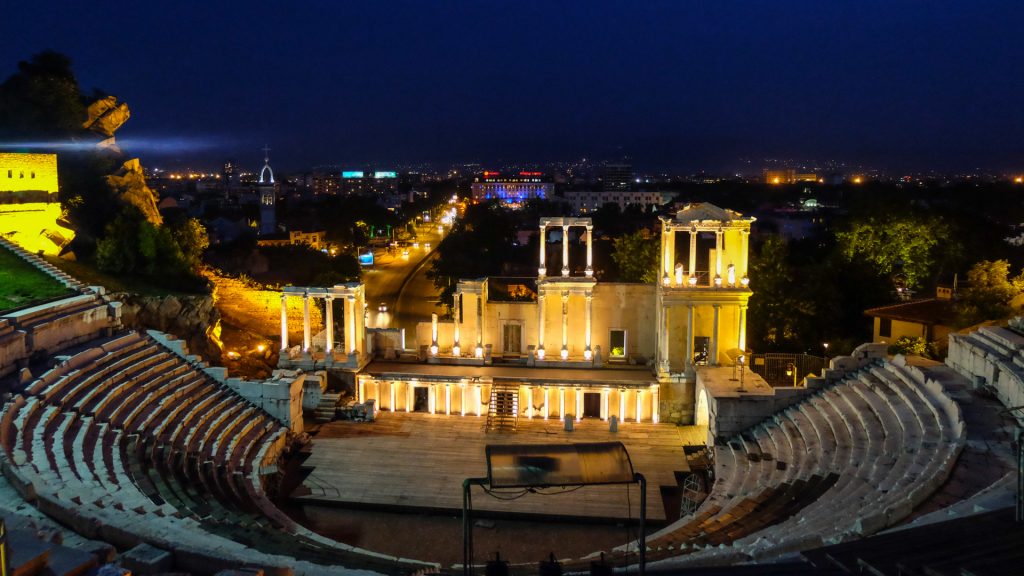
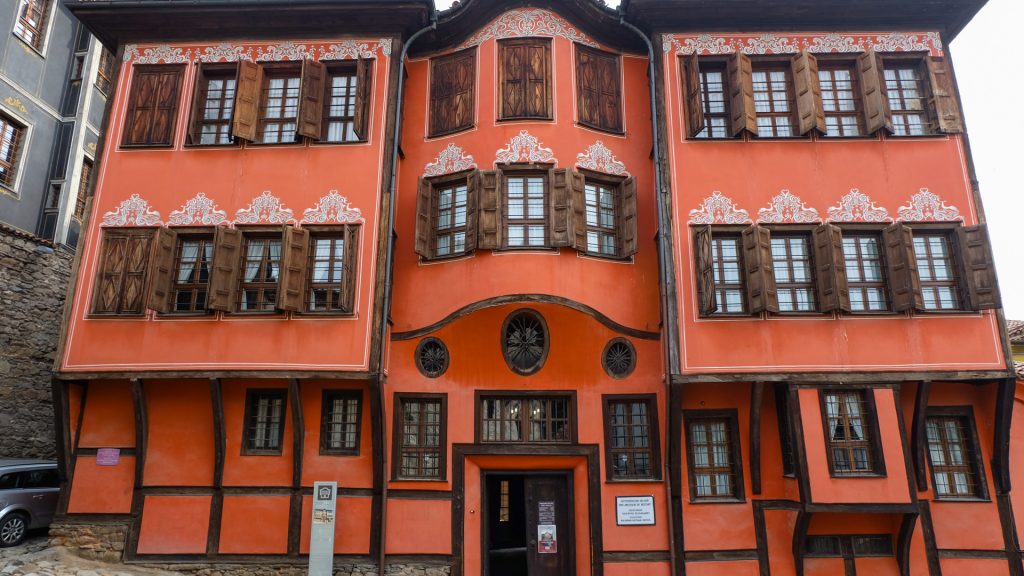
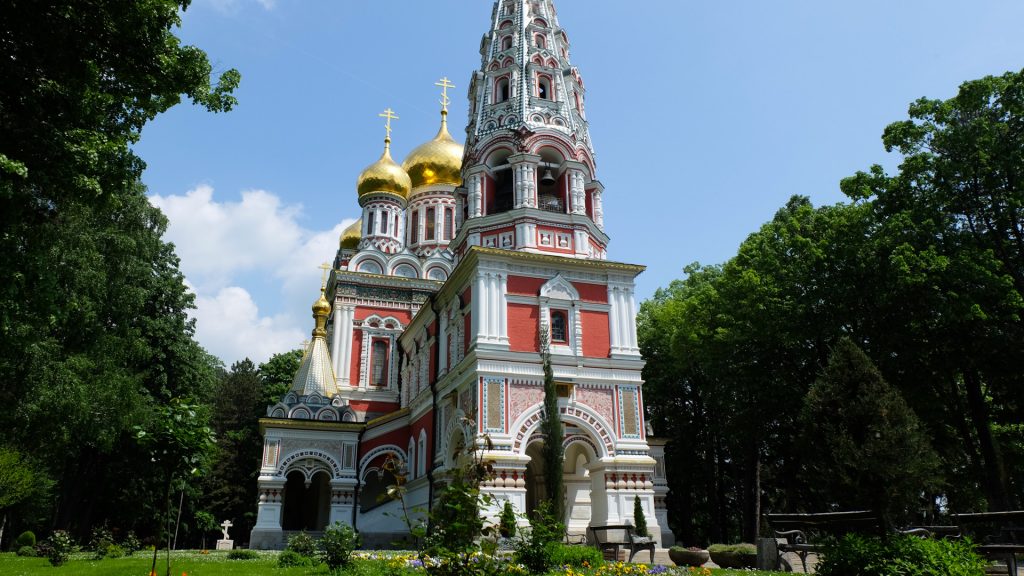
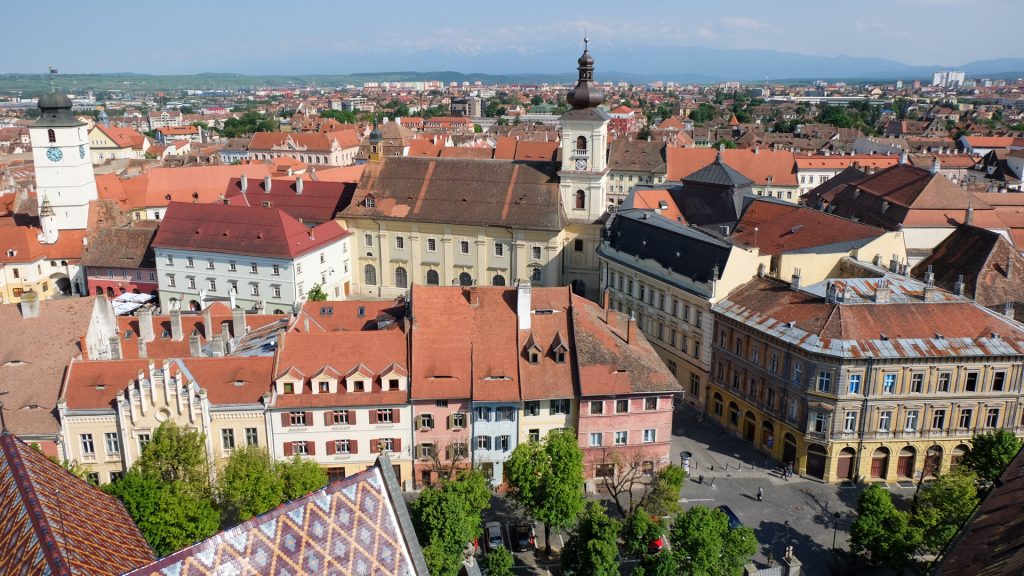
Eastern Europe tour from Sofia to Bucharest, blending...
FROM
€1600.00
FROM
€900.00
This is a trip to Northern Bulgaria, a...
FROM
€175.00
EXCELLENT Based on 107 reviews
 Posted on Tripadvisor
 Glosdude RExcellent tour around Romania visiting Transylvania and the painted monasteries in Bucovina I had a great time on a private tour during November, which was booked at extremely short notice. Ion did an amazing job putting together the tour within 24 hours, and we started the trip only a couple of days after enquiring which was amazing! His communication was really fast, clear and helpful, and our driver/guide Florin was great - both ensured we had a wonderful time in Romania. The choice of accommodation was brilliant, varying from modern hotels to centuries-old period properties. I would thoroughly recommend contacting Romania Tour Store for anyone looking to travel in Romania with a friendly, reliable and trustworthy local company.Posted on Tripadvisor
 Romy16205What an amazing trip! From beginning to end, Ion was absolutely fantastic. We spent 11 days with him traveling Bulgaria and Romania, and I have to say—he covered every single detail. He was incredibly accommodating, taking into account our preferences, offering helpful suggestions, and always finding the best dining spots.Before the trip even began, Ion was efficient and thorough, providing us with several itinerary options to ensure we could visit all the places we were interested in. Believe me when I say, my husband is a very difficult traveler—but Ion made everything so easy and fun that, by the end, they were like best friends!We had a passport mishap, leaving them behind in Bulgaria, and as soon as we arrived in Romania and realized, Ion immediately jumped into action. He contacted the hotel and made sure the issue was resolved quickly and smoothly.One of the highlights of the trip was being welcomed into Ion and his wife’s home, where they prepared a delicious homemade meal for us. It was a fantastic evening, full of authenticity and warmth—we truly felt like family.Ion also helped us find the best hotels for our stay and coordinated the entire trip from start to finish. At every attraction we visited, he was knowledgeable and provided detailed explanations, adding so much value to the experience.I highly recommend Romania Tour Store if you're planning a trip to Romania and Bulgaria. And if you’re not already planning to visit these two beautiful countries—please reconsider! They’re full of charm, culture, and unforgettable experiences.Thank you, Ion and Romania Tour Store, for making this one of our best vacations ever.Posted on Tripadvisor
 Adrian HIt very nice tour, we started 08:00 in Sibiu and drove towards Sarmizegetusa, afterwards there was a lot of interesting information about Dacia. Afterwards we went towards Hunedoara to visit the very beautiful castle there. Finally to Alba Iulia to see the citadel (star), including the churches and the history behind it. Also very interesting the story of Hunyadi. Highly recommended, the guide was very nice and everything was relaxed. VGPosted on Tripadvisor
 Tammy CIMPRESSIVE TRIP in ROMANIA with PASSIONATED Guide Excellent services provided with Ion’s passion!His outgoing personality brought laughing and fun to the group. His knowledge and presentation of each visiting places were impressive and full of historical information.Posted on Tripadvisor
 Lalit JhaFantastic and simply the best! Ion Dima/the guide is the best one till date I cam across in Europe as I explored most of the countries in Europe.Ion Dima of Romania Tour Store is very knowledgeable guy and simply the best! He designed our itinerary to suit our interest, weather and available time. He is very friendly to kids and adult as well. He has highest level of patient and at the same time he is professional.I would say if someone want to explore Romania then Ion is the best guy and you can believe him for any and everything.He has suggested the Hotels and Restaurants during our tours which was the best as per our budget and interest. During the complete tour he was as our family member and friend.Salut and thank you Ion for everything!Posted on Tripadvisor
 Mary ATour with Ion Ion was terrific, a very kind guy, and he was very patient with us; he took us to incredible places. He changed the plan for us because it was Christmas's second day, and most of the tourist places were closed, so he suggested places for us, and we had so much fun together.Posted on Tripadvisor
 Ardelean MExcellent tour guide Ion Dima is an excellent tour guide. Well organised and ready to help his group in any situation. I recommend him 100%.Posted on Tripadvisor
 JIT_12Ion Dima...a great tour guide! This review is very tardy due to the situation in the world from January 2020 until now. I was so fortunate to have found Ion Dima during my planning of a visit to Romania which was during the summer of 2019.( I had to enter 12/21 in the description since that was the oldest date available.) I had several days to fill in with a visit to important points of interest in Romania before I joined a group in Bucharest. The group and I were heading into Moldova, Transnistria, and Ukraine. We were only doing the Danube Delta down on the Black Sea and I didn't want to miss seeing something of Romania. Well, Ion designed a terrific tour for me that was very complete! He speaks perfect English and was very considerate and great fun to be around. I highly reccommend arranging a tour with Ion...he's the best!!Posted on Tripadvisor
 DollyBirdScotlandBespoke service We are just back from an extended tour of Romania with Romania Tour Stores. It's a bespoke travel company which specialises in private tours for culture vultures. From Bucharest's Belle Epoq architecture we travelled to the cultural centre of Iasi, the painted monasteries of Moldavia, and through the fortified Saxon churches and towns of Transylvania. Finally, we arrived in the stunning city of Brasov in the Carpathians where the Austro-Hungarian influence sits on the edge of Wallachia and Byzantium. Grand hotels and traditional wooden cabins. Each day felt like being in a different age or country. A superbly organised tour of this fascinating country. We are planning a return visit next year.Verified by TrustindexTrustindex verified badge is the Universal Symbol of Trust. Only the greatest companies can get the verified badge who has a review score above 4.5, based on customer reviews over the past 12 months. Read more