Transylvania is a land of myth, history, and breathtaking natural beauty. Famous worldwide as the home of Dracula’s legend, it offers so much more than eerie castles and dark forests. With its medieval towns, towering Carpathian Mountains, fortified churches, and pristine villages, Transylvania is a treasure trove for curious travelers — and one of Romania’s most visited regions, drawing travelers interested in medieval history, local legends, and increasingly, its Saxon-village culture and mountain landscapes.
If you’ve never been to Transylvania, now is the perfect time. Here’s your complete guide to the 20 most beautiful and famous places to visit in Transylvania, along with travel tips to help you plan the perfect Romanian adventure.

One of the region’s most iconic attractions is Bran Castle, often marketed as “Dracula’s Castle.” It fits the description of Dracula’s home in Stoker’s novel — perched high on a cliff, overlooking a valley — and Vlad the Impaler may have passed through or stayed there briefly, though there’s no proof he ever lived in it. Its dramatic appearance and connection to the myth still make it a must-see for Dracula fans and history lovers alike. At RomaniaTourStore, we offer guided tours that reveal the real stories behind the Dracula legend — from Bran Castle to Sighișoara, and even the hidden spots most travelers miss.
Where to Stay in Transylvania
Transylvania has accommodations for every budget:
- Luxury: Teleferic Grand Hotel (Poiana Brașov), Radisson Blu (Cluj-Napoca), Hilton (Sibiu)
- Mid-range: Hotel Casa Wagner (Brașov), Plaza V Hotel (Târgu Mureș)
- Budget: Hostels, guesthouses, and village homestays in places like Viscri, Sighișoara, or the Apuseni Mountains
Now, let’s dive into the 20 places that will make your trip unforgettable.
ROMANIA MEDIEVAL TOUR 5 days
🌄 1. Brașov – The Heart of Medieval Transylvania
Surrounded by the Carpathians, Brașov blends Gothic, Baroque, and Renaissance architecture with cobbled streets and mountain air. The old town has long been a city of guild artisans, and the winding side streets off the main square still carry traces of workshops that once belonged to weavers, furriers, and blacksmiths. Don’t miss:
- The Black Church – the largest Gothic church in Romania
- Council Square (Piața Sfatului) – a lively plaza perfect for people-watching
- Tâmpa Mountain – hike or take the cable car for stunning views
- The White Tower and Weavers’ Bastion, remnants of the city’s old defensive walls
🛏️ Stay: Casa Wagner, just steps from the main square.
🧛 2. Bran Castle – Dracula’s Legendary Fortress
Often (incorrectly) associated with Vlad the Impaler, Bran Castle’s Gothic towers make it one of Romania’s most iconic sights. Built more than 600 years ago on a rock in a strategically key location, it now houses the Bran Museum, spread across four floors, with collections of ceramics, furniture, weapons, and armor. In the castle courtyard, a small open-air village museum displays traditional houses from the Rucăr–Bran region. Even if the Dracula connection is loose, the museum inside offers real insight into Romanian royal history and medieval life.
🚌 How to get there: 40 minutes by car from Brașov.
full guide to visiting Bran Castle
🏰 3. Sighișoara – The Birthplace of Vlad the Impaler
This is one of the best-preserved medieval citadels in Europe — and it’s still inhabited. Highlights include:
- The Clock Tower
- Vlad Dracul’s House (birthplace of the historical Dracula)
- The Church on the Hill, with its atmospheric graveyard
Even without Dracula’s shadow, the cobbled streets and medieval towers give you the feeling of a small town frozen in time.
🛏️ Stay: Fronius Residence, a historical boutique hotel.
🌲 4. Peleș Castle (Sinaia) – A Fairytale Royal Palace
Peleș Castle looks like something out of a fairytale. Nestled in the Bucegi Mountains, it was the summer residence of Romanian royalty and is considered one of Europe’s most beautiful castles, with a historical and artistic value that places it among the most important 19th-century monuments of its kind. Inside, the Hall of Honor is panelled in walnut and lined with bas-reliefs and statues; its glass ceiling could be rolled back on summer nights, an engineering feature only fully completed in 1911 under architect Karel Liman. The Royal Library, meanwhile, hides a secret door behind a bookshelf that once let the king slip unseen into other rooms of the castle.
🎟️ Guided tours available inside to see the lavish interiors. 🚘 90 minutes from Bucharest, or 2 hours from Brașov.
How to Visit Peleș Castle in 2026
🐺 5. Râșnov Fortress
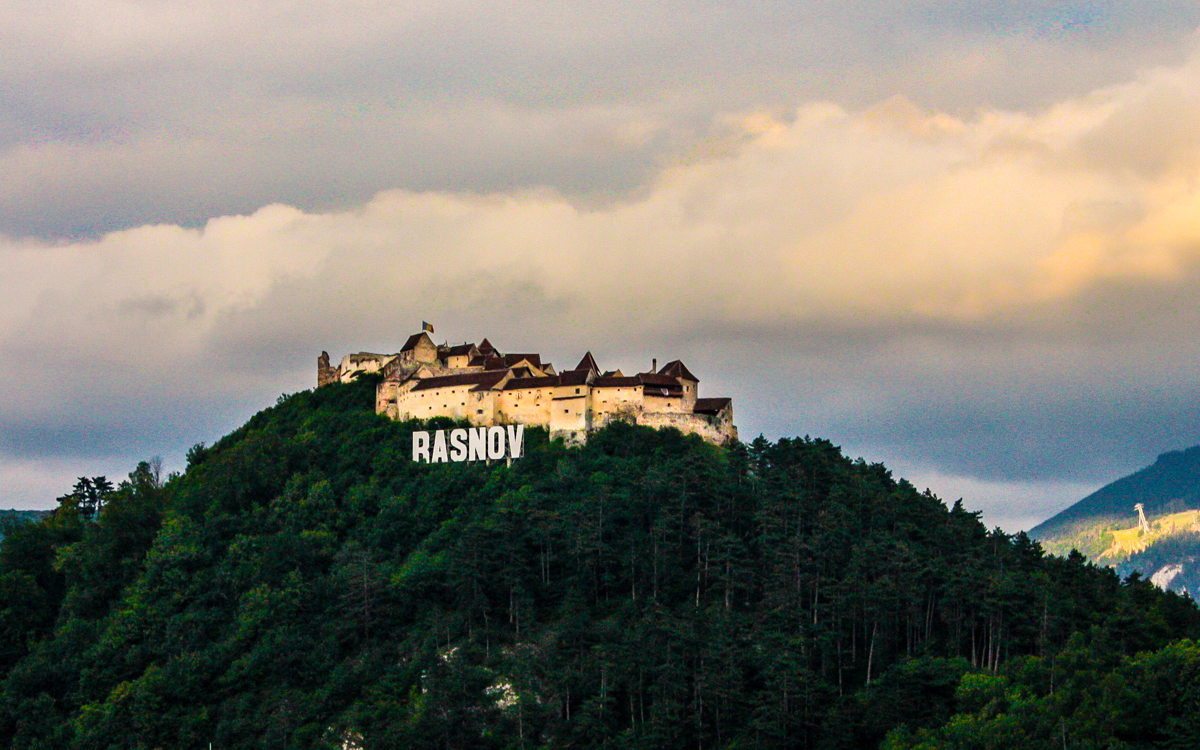
This 13th-century fortress, perched on a rocky hill, offers panoramic views and a walk through Romania’s defensive history.
🎯 Combine a visit with Bran Castle — it’s just 15 km away.
⛪ 6. Viscri – Prince Charles’ Favorite Romanian Village
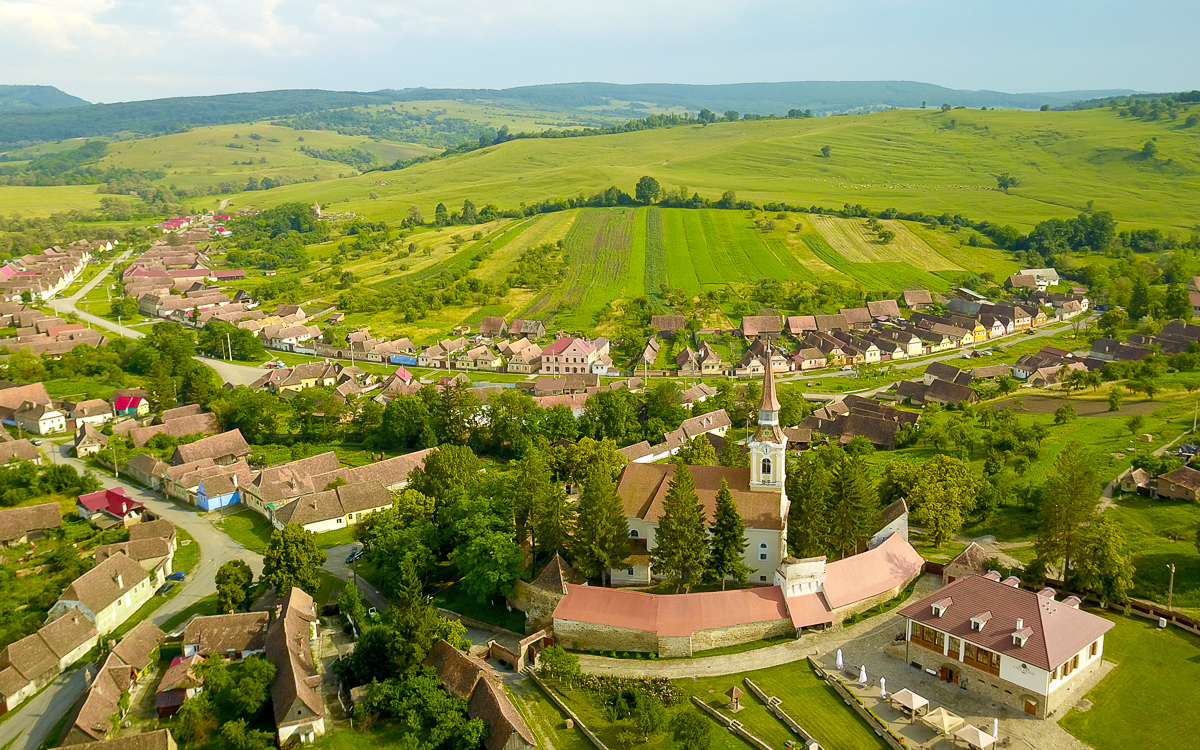
This UNESCO World Heritage Site is a postcard-perfect Saxon village with a fortified church. Prince Charles even bought and restored a house here. It’s one of several Saxon villages worth seeking out in the region — Saschiz and Rupea, both nearby, are quieter alternatives with their own fortified churches for travelers who want to go further off the main route.
🌿 Try local bread and explore the countryside by bike.
full guide to Transylvania’s Saxon villages,
🏞️ 7. Turda Salt Mine (Salina Turda)
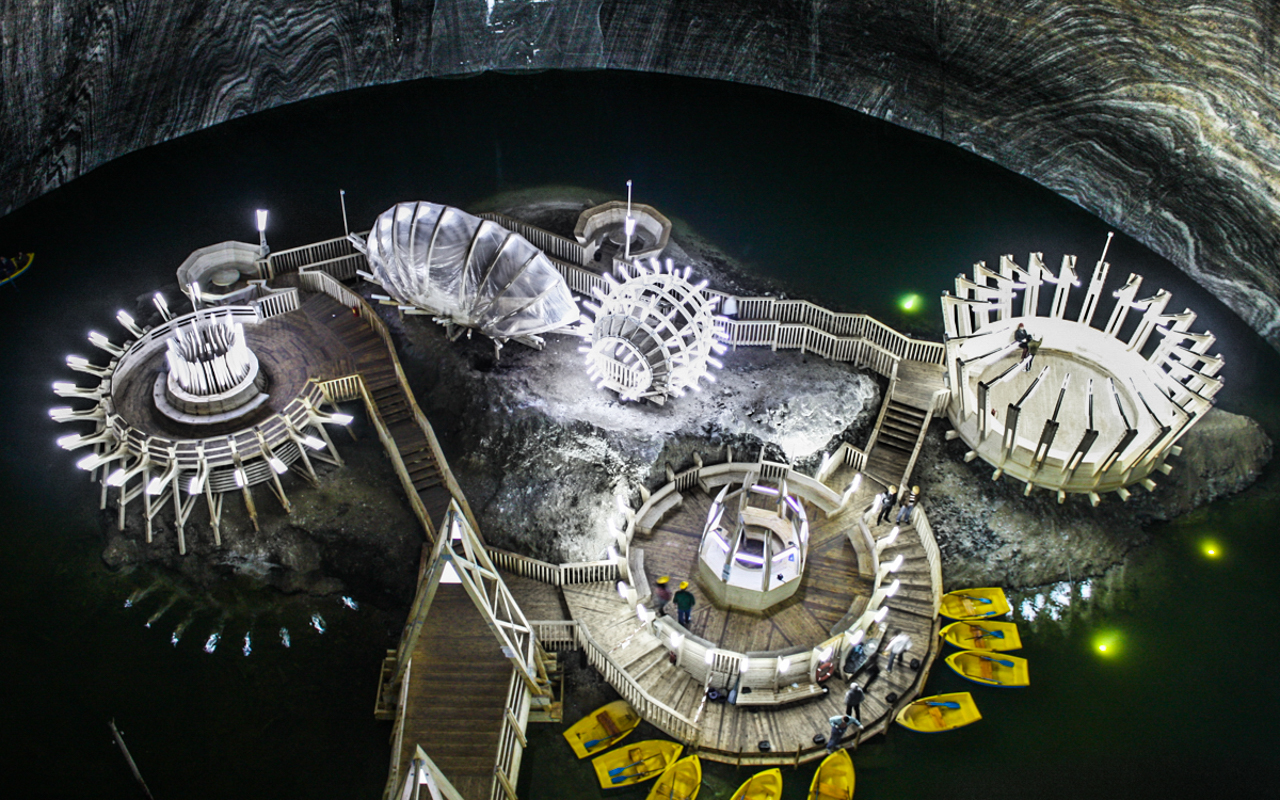
An otherworldly experience inside a former salt mine turned amusement park. Inaugurated in its current form in 2010 after a full rehabilitation, it went from an obscure cave to one of Romania’s most visited attractions, drawing hundreds of thousands of visitors a year. Explore underground caverns with:
- A Ferris wheel
- Boat rides on a salt lake
- Interactive exhibits
🚗 Located near Cluj-Napoca.
🌉 8. Alba Iulia Fortress
The Alba Carolina Citadel is a huge, star-shaped Vauban-style fort — built between 1716 and 1735, and considered one of the most impressive fortifications of its kind in Southeast Europe. Beyond its imposing gates and museums, it holds Roman ruins, and it’s where modern Romania was born in 1918.
🚴 Rent bikes to tour the massive walls and interior complex.
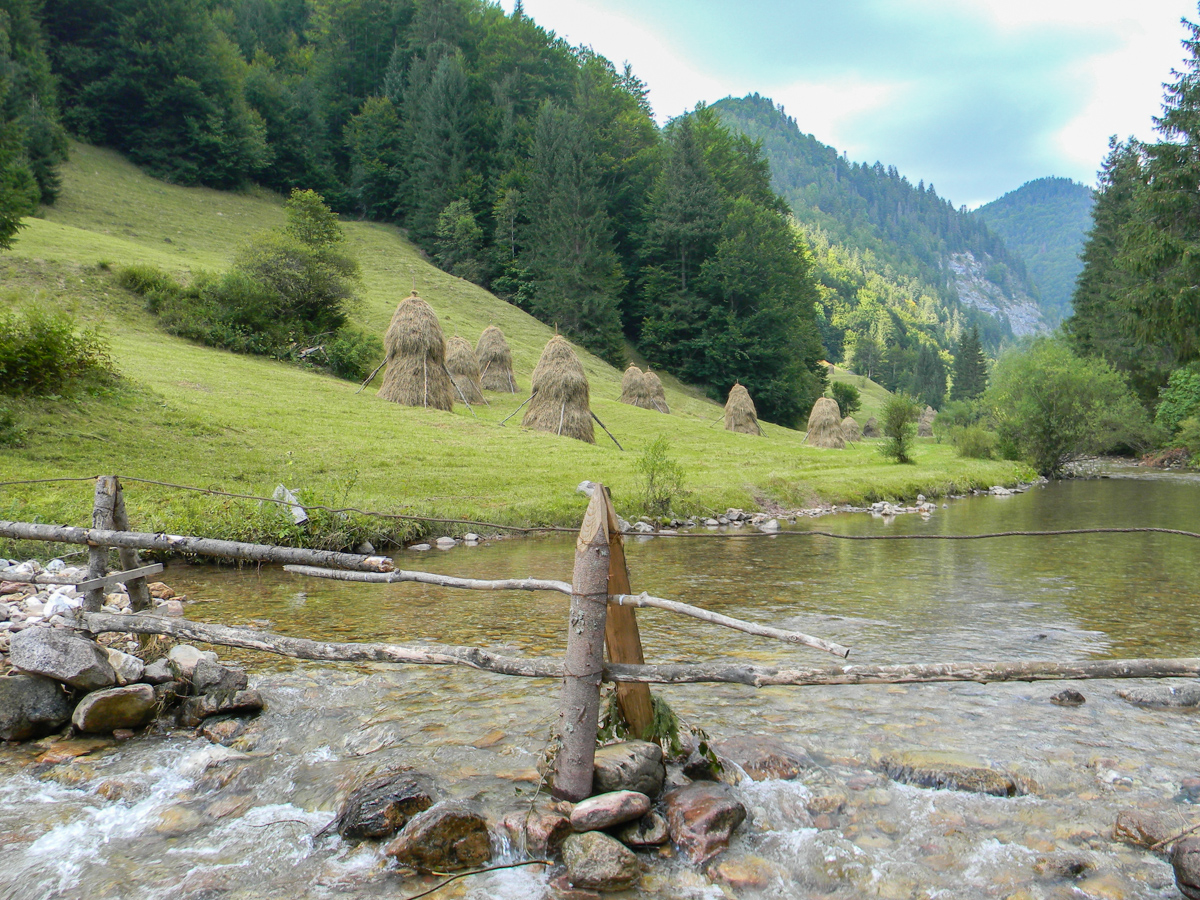
🗻 9. Apuseni Mountains
A paradise for hikers and nature lovers. You’ll find:
- Scărișoara Glacier Cave
- Bears’ Cave (Peștera Urșilor)
- Traditional wooden villages
🌲 Great for off-the-beaten-track adventures.
🐎 10. Corvin Castle (Hunedoara) – Romania’s Gothic Gem
Massive, haunting, and picture-perfect, this is Romania’s largest medieval castle, often compared to Hogwarts.
🎥 Featured in many films and shows for its eerie beauty.
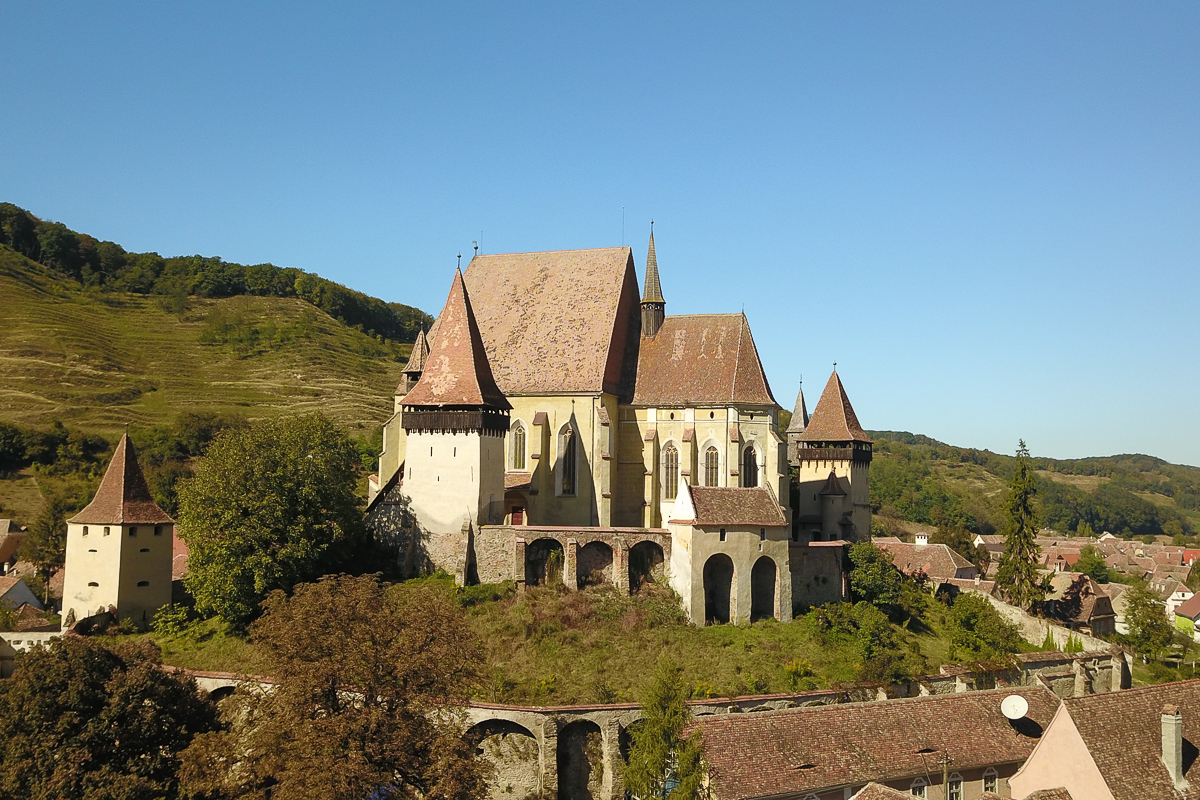
🛤️ 11. Biertan Fortified Church
One of the most imposing Saxon churches in Transylvania, with defensive walls and an ingenious locking system on its wooden doors — a peaceful, spiritual stop. Its most curious feature, though, has nothing to do with religion: for over 300 years, the fortified compound housed what locals called a “matrimonial prison.” Couples who wanted a divorce were locked together in a tiny room with one bed, one table, one chair, one spoon, and one plate — sharing everything, with no privacy and no way out until they reconciled. In three centuries, the village recorded only a single divorce.
🗓️ Visit during summer for village festivals.
🎭 12. Cluj-Napoca – The Cultural Capital
Transylvania’s largest city blends history, youth culture, and arts. Must-sees:
- St. Michael’s Church
- Central Park
- The Ethnographic Museum
🎉 Known for the Untold Festival every summer.
🦇 13. Poenari Fortress
If you’re after the real Dracula fortress, this is it. Vlad the Impaler’s true stronghold sits high on a cliff, accessible only after a 1,480-step climb.
🏋️♂️ Not for the faint-hearted, but well worth the effort.
🚞 14. Valea Viilor
A lesser-known Saxon village with a fortified church that is as beautiful as it is quiet. Perfect for an authentic rural experience.
🚗 Accessible via Sibiu.

🌾 15. Sibiu – A Former European Capital of Culture
A gorgeous city with “eyes” on the rooftops. Sibiu has grown into an important industrial and academic center while keeping its historic core intact — a rare blend of old and new, and a strong base for cultural or business trips alike. Explore:
- The Bridge of Lies
- Brukenthal Palace (art museum)
- ASTRA Open Air Museum
🛏️ Stay: Hotel Am Ring, in the old town square.
(Internal link: full guide to Sibiu’s top attractions, if a dedicated post exists)
🐻 16. Zărnești Bear Sanctuary
Home to rescued brown bears living freely in a 69-hectare forest. A great family activity that supports animal welfare.
📍 Near Brașov.
🧗 17. Piatra Craiului National Park
Ideal for serious hikers and wildlife lovers. With deep gorges, karst formations, and breathtaking trails, it’s one of Romania’s best outdoor spots.
🥾 Don’t miss the Zărnești Gorges.
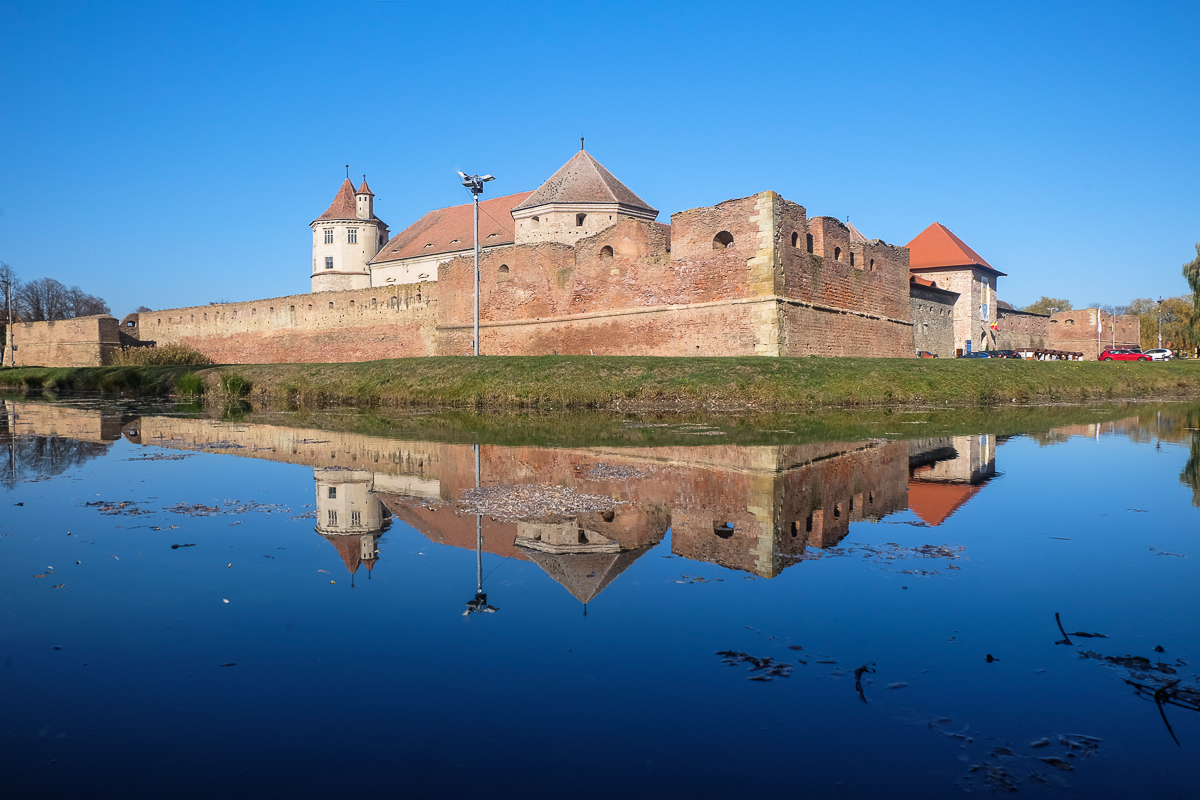
🦉 18. Făgăraș Fortress
Surrounded by a moat and perfectly preserved, this castle-museum is less crowded than others but just as rich in history.
🌉 You can cross its drawbridge and explore the medieval halls.
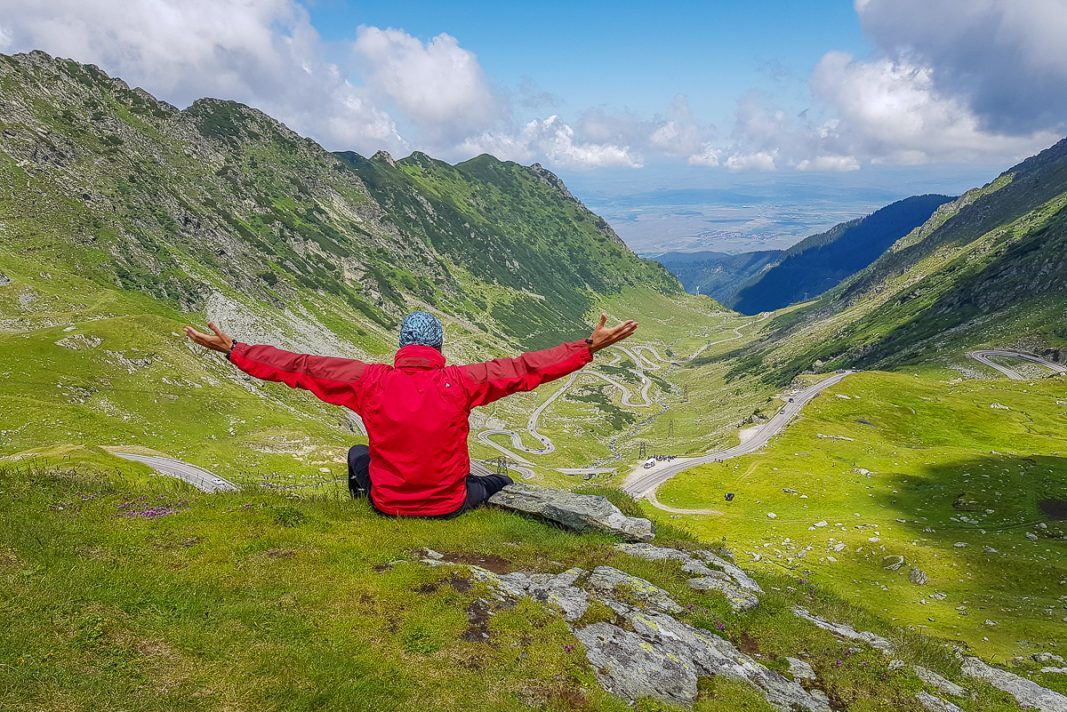
🚗 19. Transfăgărășan Highway
Dubbed the “world’s best road” by Top Gear, this stunning highway winds through the Făgăraș Mountains. It’s open only in summer (usually July to October).
📸 Stop at Bâlea Lake and Bâlea Waterfall.
🏛️ 20. Târgu Mureș
A charming city known for its Secessionist architecture and multicultural heritage. Highlights include:
- Palace of Culture
- Teleki-Bolyai Library
- Weekend Complex (lakeside resort)
🛫 Use the local airport (TGM) to arrive directly here.
Just Beyond Transylvania: Maramureș
Maramureș isn’t technically part of Transylvania — it’s a separate historical region just to the north — but it’s close enough, and distinctive enough, that many travelers combine the two. Its villages have preserved traditions, wooden architecture, and monasteries largely intact, several of them on the UNESCO World Heritage List. The best-known site is the Merry Cemetery in Săpânța, where brightly painted wooden crosses carry witty, often irreverent epitaphs written by local craftsmen about the people buried beneath them — a tradition found nowhere else in Romania.
🚗 Worth the detour if your itinerary allows an extra day or two north of Cluj-Napoca.
Tips to Rent a Car in Transylvania
Renting a car in Transylvania is a great option for tourists who want to explore the region at their own pace. Here’s a guide to your options, including car rental companies, types of vehicles, requirements, and tips:
1. International Rental Companies
These are available in major cities and airports like Cluj-Napoca, Sibiu, Brașov, and Târgu Mureș.
- Avis
- Hertz
- Sixt
- Europcar
- Enterprise
📍 Locations: Airports, city centers, and train stations.
2. Local Rental Companies
Often cheaper and more flexible than international brands:
- Autonom – one of Romania’s largest local companies
- Klass Wagen – budget-friendly with good reviews
- Meridian Rent a Car
- Porsche Inter Auto Romania – often provides premium vehicles
📍 Some offer pickup/drop-off at accommodations.
3. Types of Vehicles Available
- Economy/Compact Cars – ideal for city and budget travel
- SUVs/4x4s – useful if you’re heading into the Carpathians or remote villages
- Vans/Minibuses – for families or group travel
- Luxury Cars – available in larger cities
- Manual vs Automatic – automatics are available but limited; book in advance
4. Requirements for Renting a Car
- Minimum age: Usually 21–25, depending on the company
- Driver’s license: EU or International Driving Permit (IDP) if from outside the EU
- Credit card: Required for deposit/security hold
- Insurance: Basic coverage included; extra insurance or full coverage is recommended
5. Driving in Transylvania Tips
- Roads: Main highways are good; rural roads can be narrow or bumpy
- Tolls: Romania requires a digital road tax called a Rovinietă — usually included with rentals
- GPS: Request one or use Google Maps; reception can be spotty in the mountains
- Fuel: Gas stations are common, but fill up before remote trips
6. Suggested Rental Pickup Points
- Cluj-Napoca International Airport (CLJ)
- Sibiu International Airport (SBZ)
- Brașov (via Bucharest or Sibiu)
- Târgu Mureș International Airport (TGM)
7. Tips to Save Money
- Book early, especially in summer or around Halloween (a popular Dracula-tourism season)
- Compare online (Rentalcars, Kayak, DiscoverCars, etc.)
- Check for unlimited mileage if planning long trips
- Avoid one-way drop-off fees, unless necessary
🧳 Final Tips for Visiting Transylvania
- Currency: Romania uses the leu (RON), not the euro.
- Language: Romanian, but English is spoken in tourist areas.
- Transportation: Trains are affordable but slow; car rental offers the most flexibility.
- Best Time to Visit: Late spring (May–June) and early autumn (September–October) for mild weather and fewer crowds.
🗺️ Ready to Discover Transylvania?
We offer a wide range of guided tours starting from Sibiu and Cluj-Napoca — from medieval castles to the true story behind the Dracula legend.