Grand Tour of Romania – 10 Days
The Grand Tour of Romania is a 10-day guided tour from Bucharest that connects the country’s main cultural regions: Transylvania, Bucovina, Maramureș and Wallachia.
Private tour
10 days

Tour highlights
What you’ll see
- Visit Bucharest, the most thriving city in the Eastern Europe.
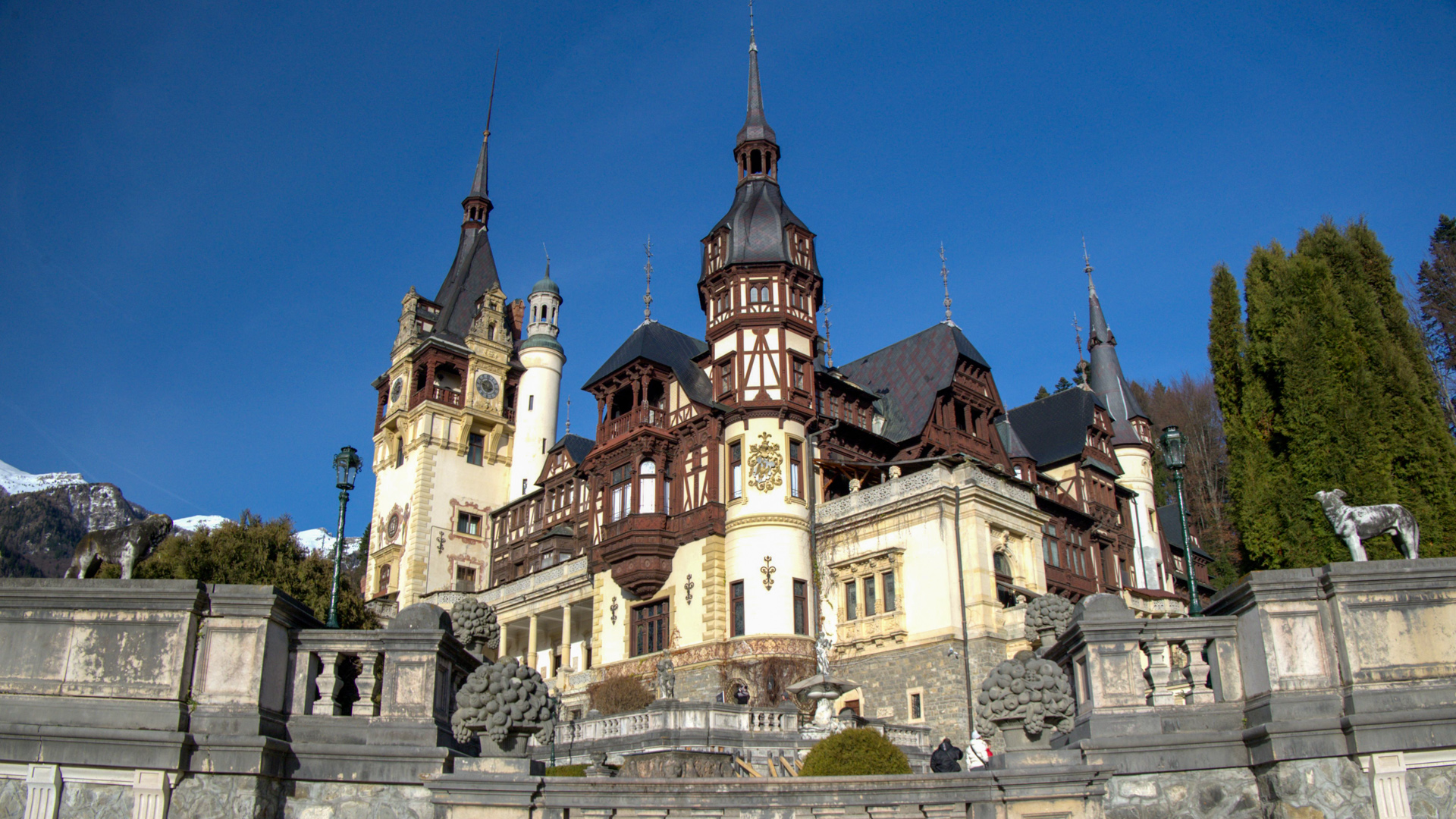
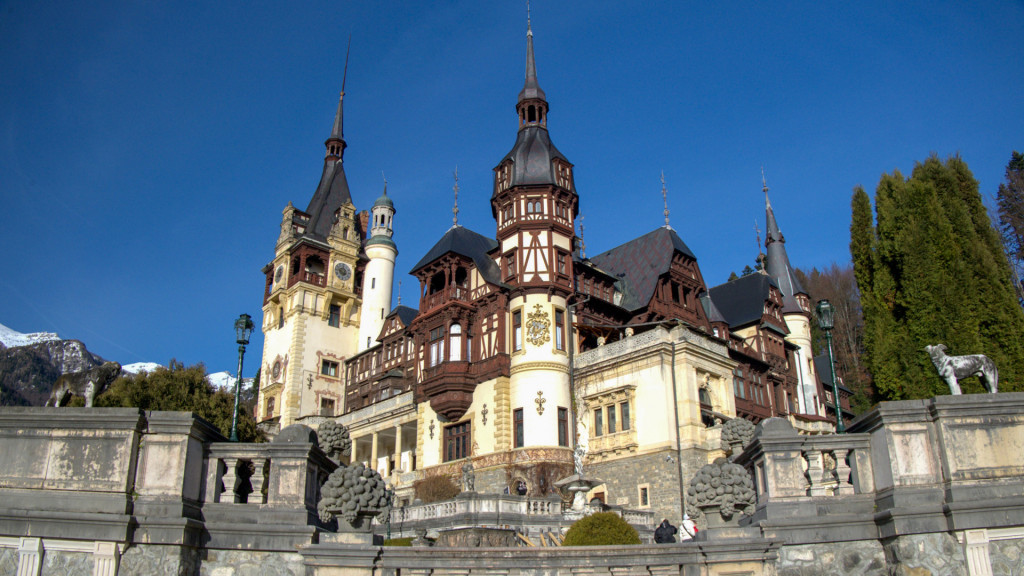
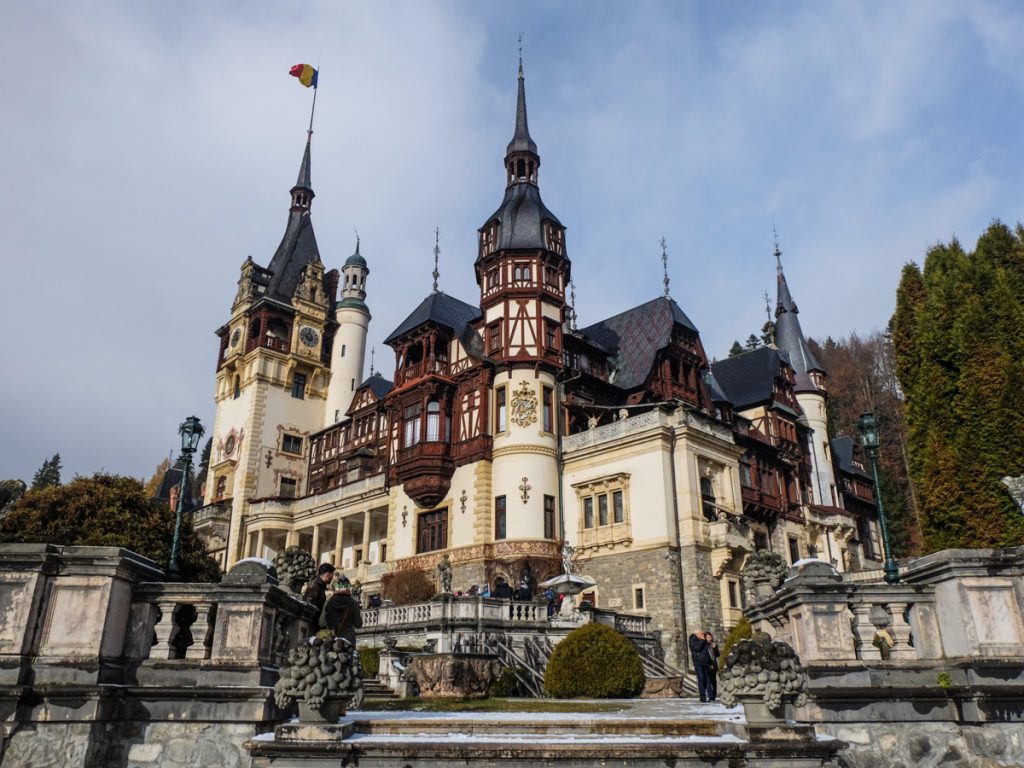
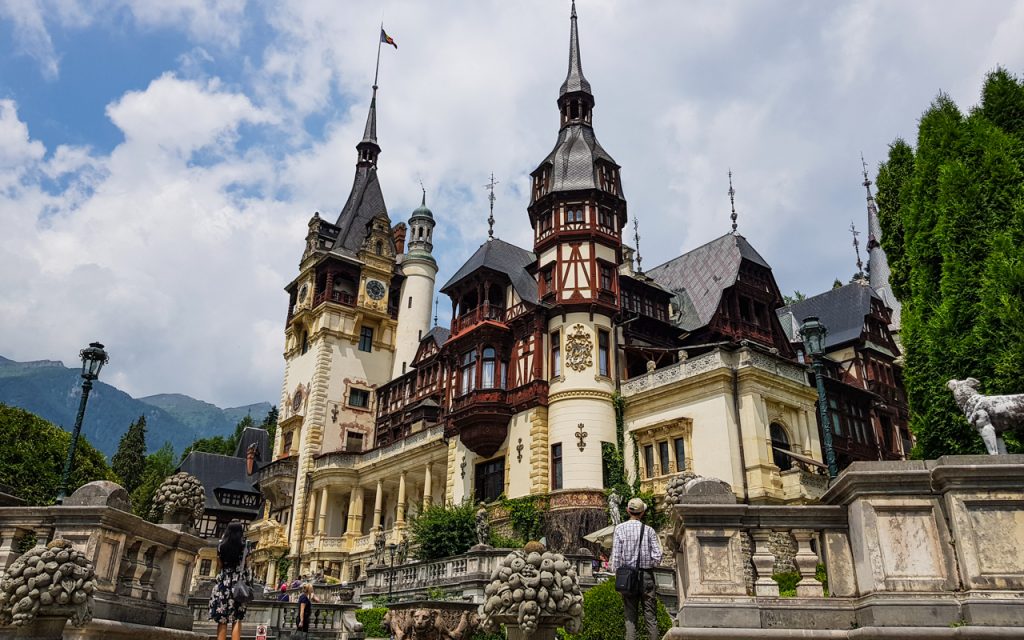
- Visit one of the most luxurious Castles of Eastern Europe – Peles Castle.
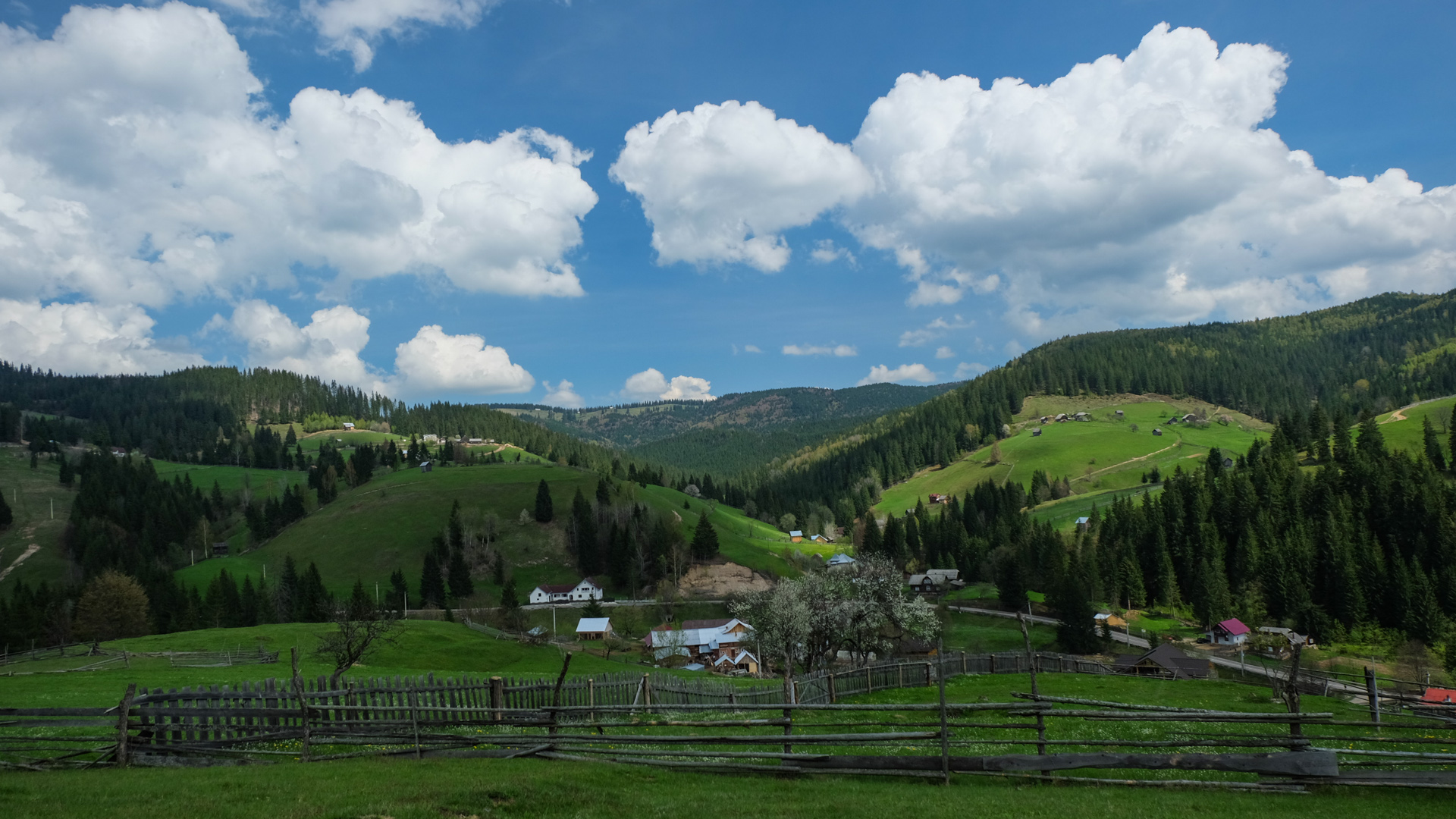
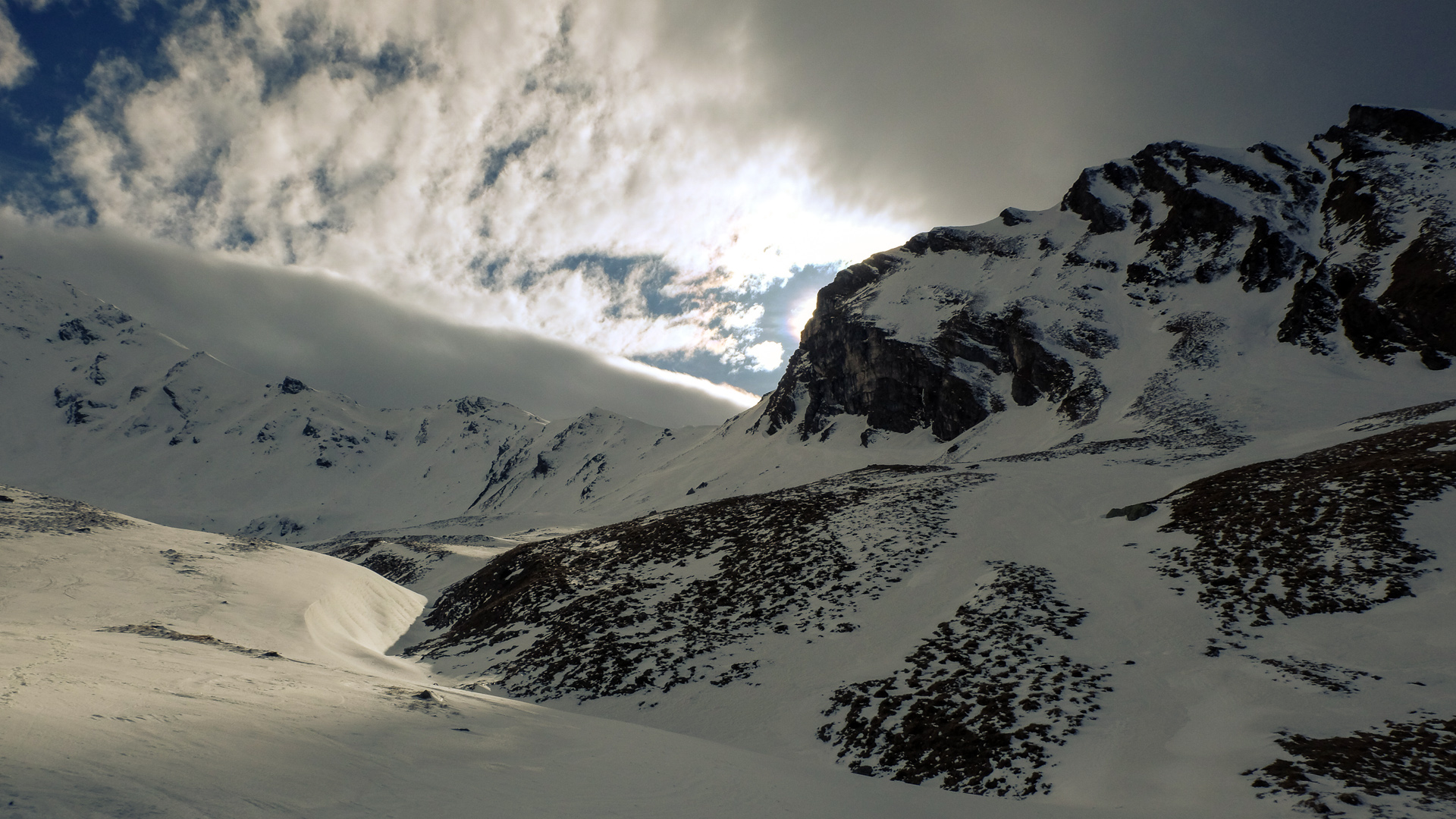
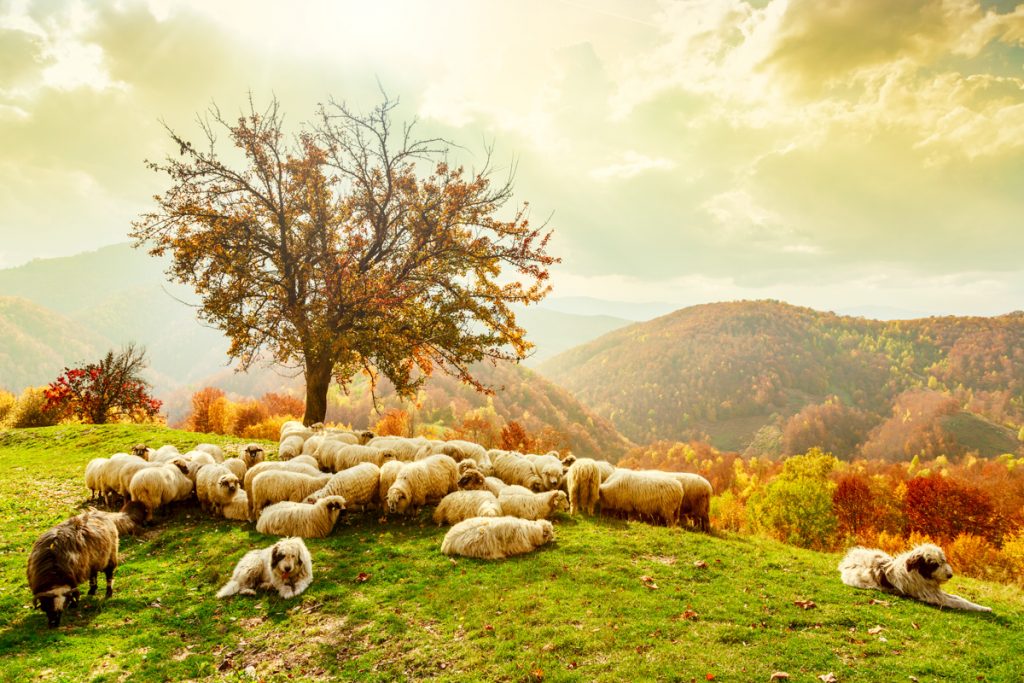
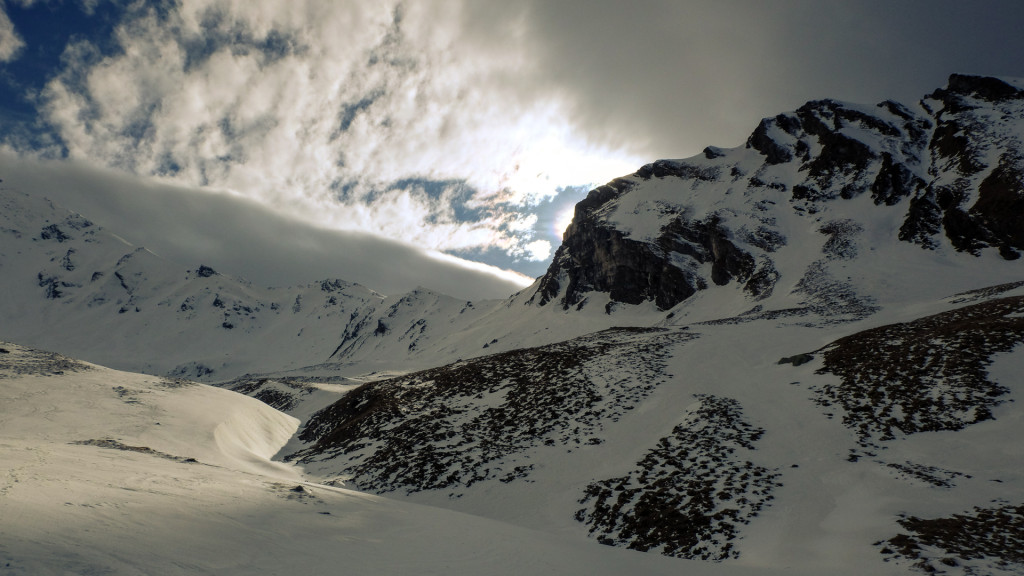
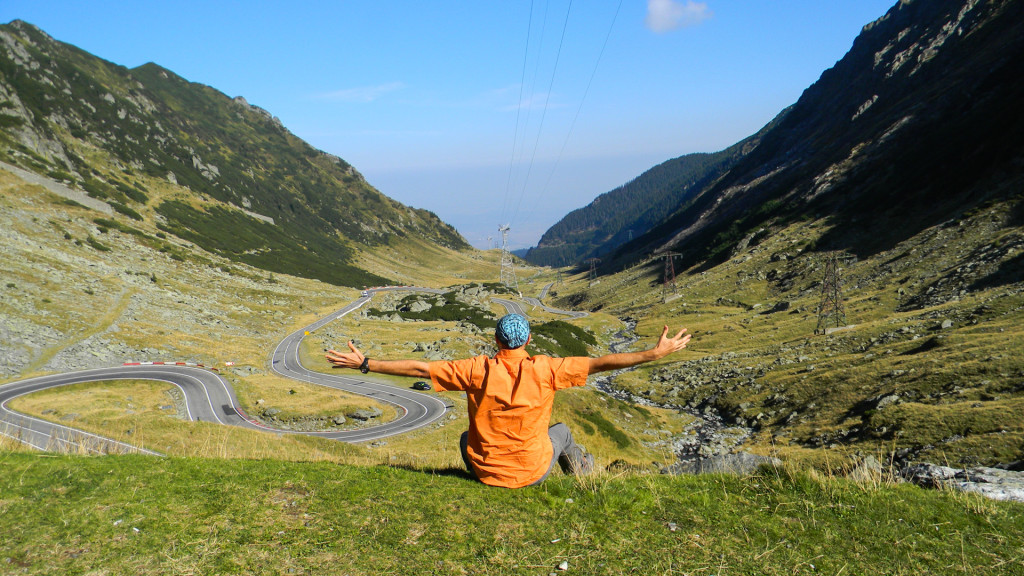
- Drive through the magnificent mountain scenery of the Carpathians.
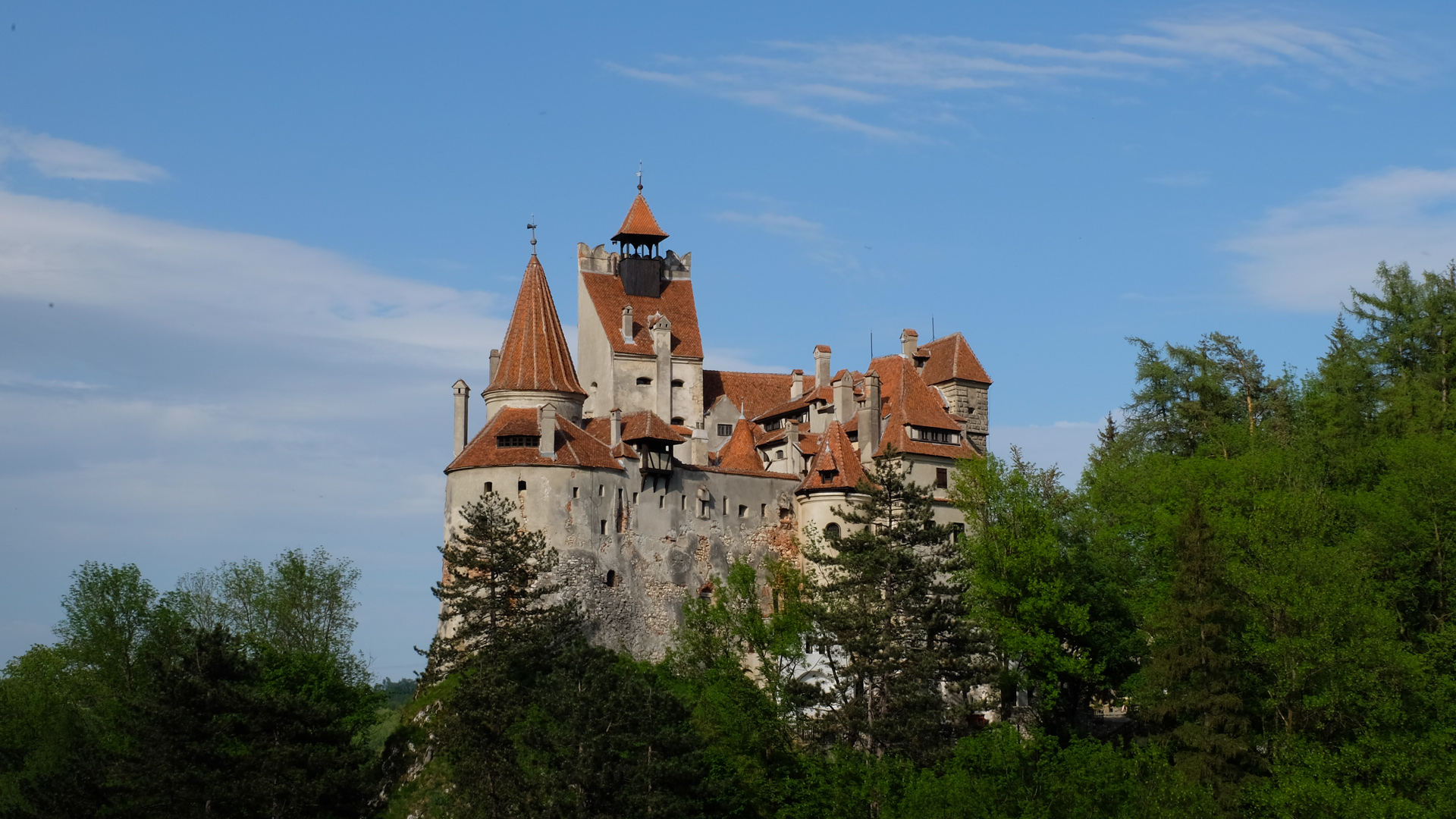
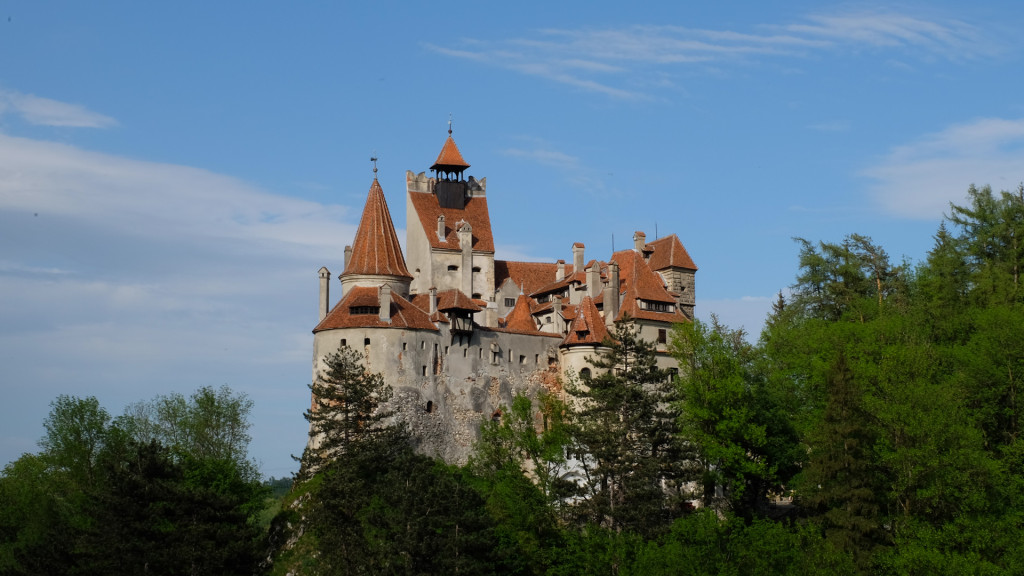
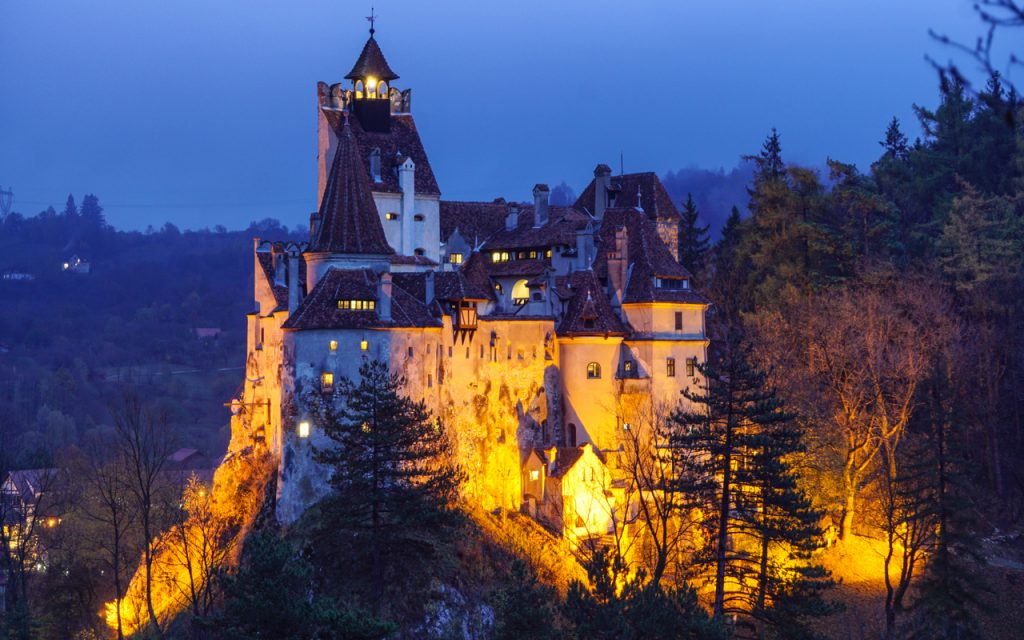
- Tour Dracula`s Castle and find the legend hidden here.
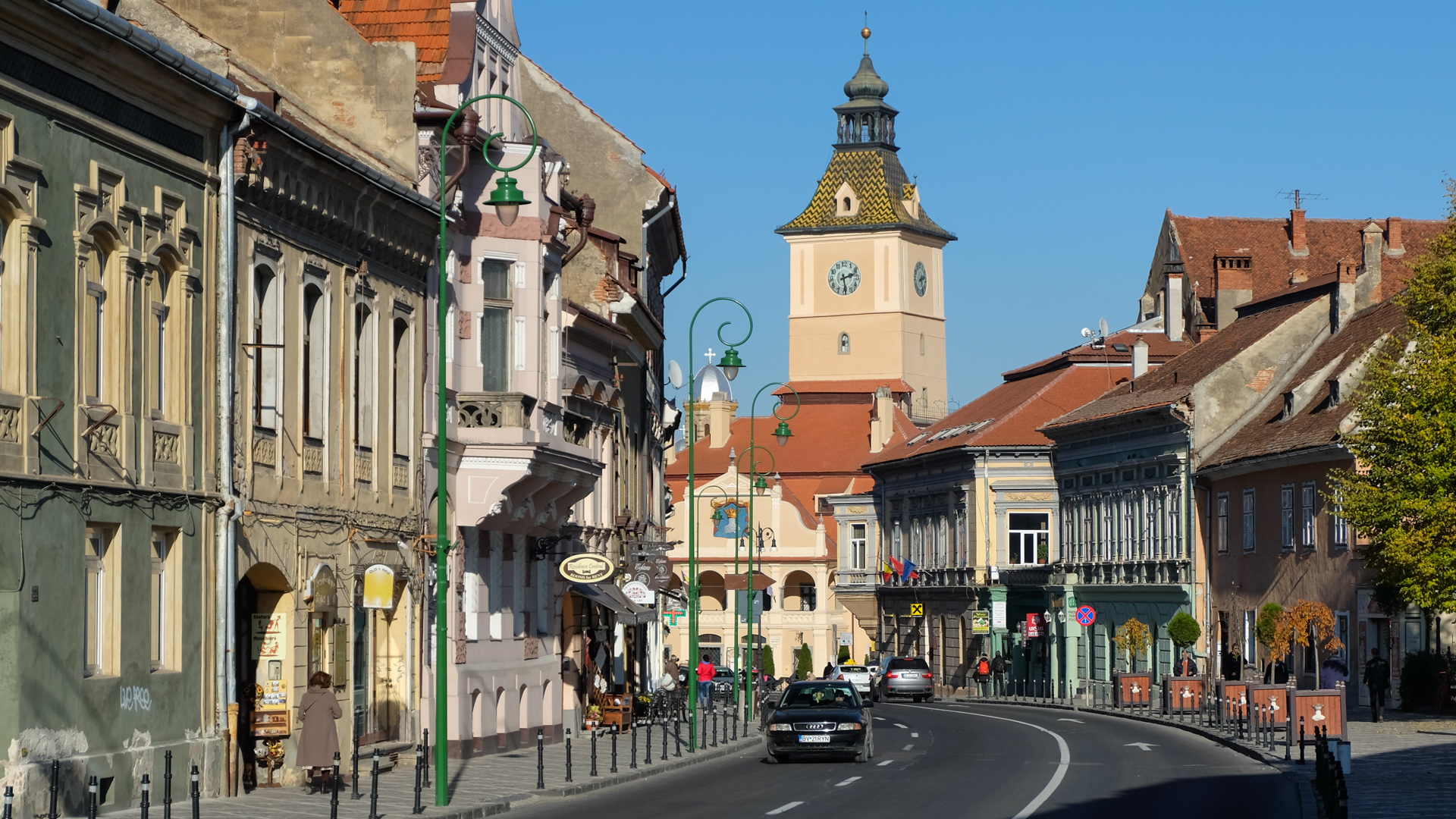
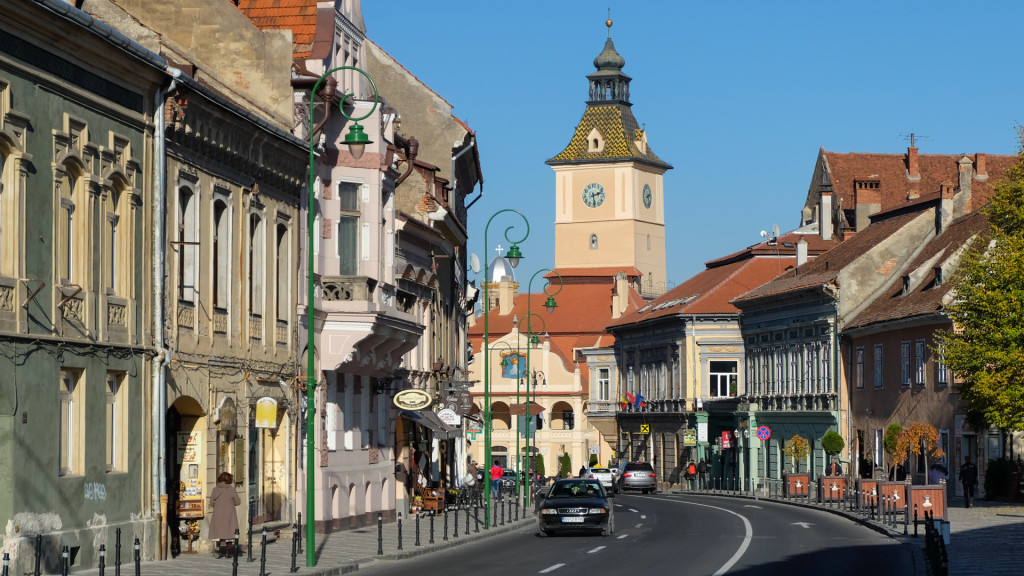
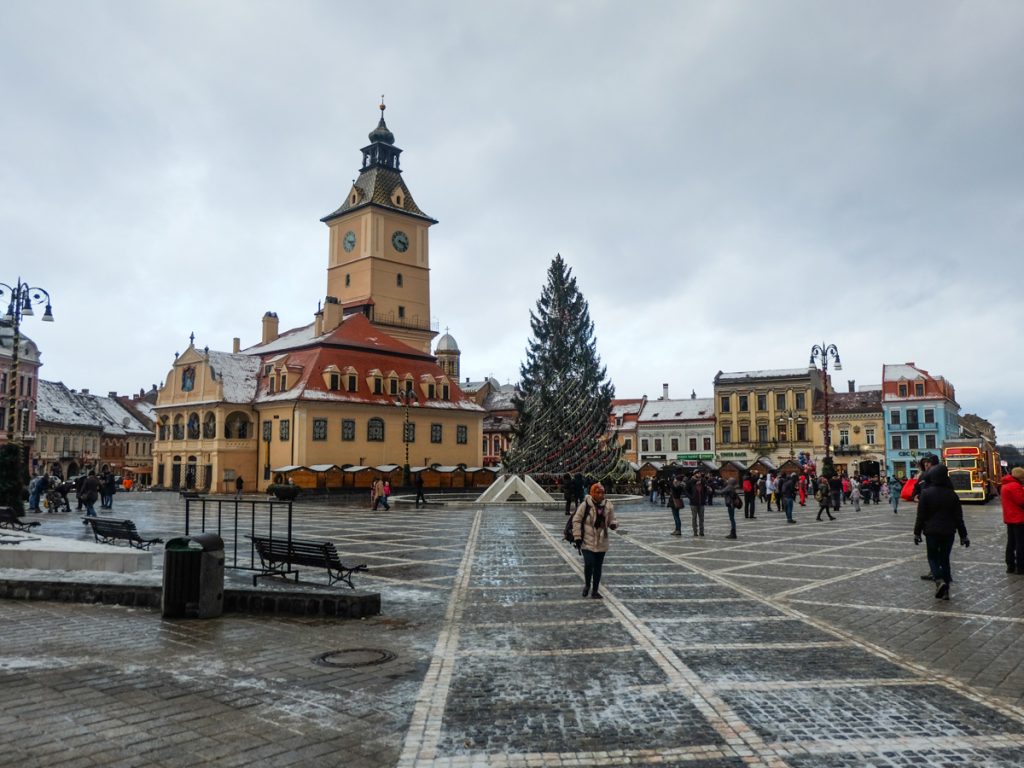
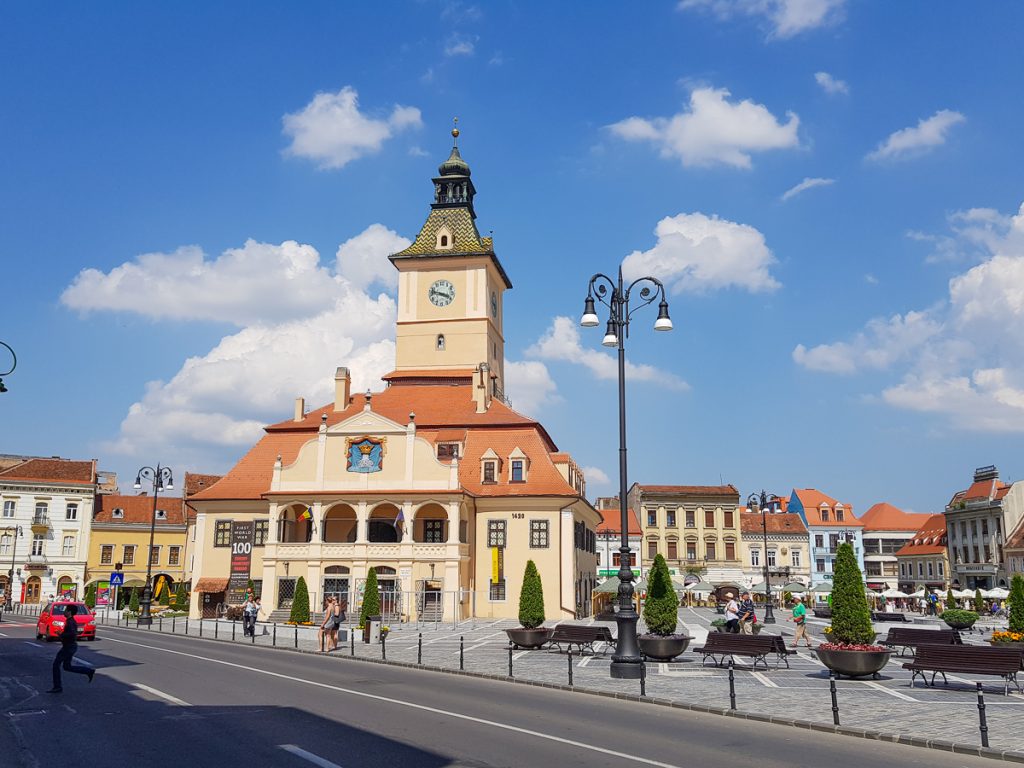
- Enjoy a sightseeing tour of Brasov historical town.
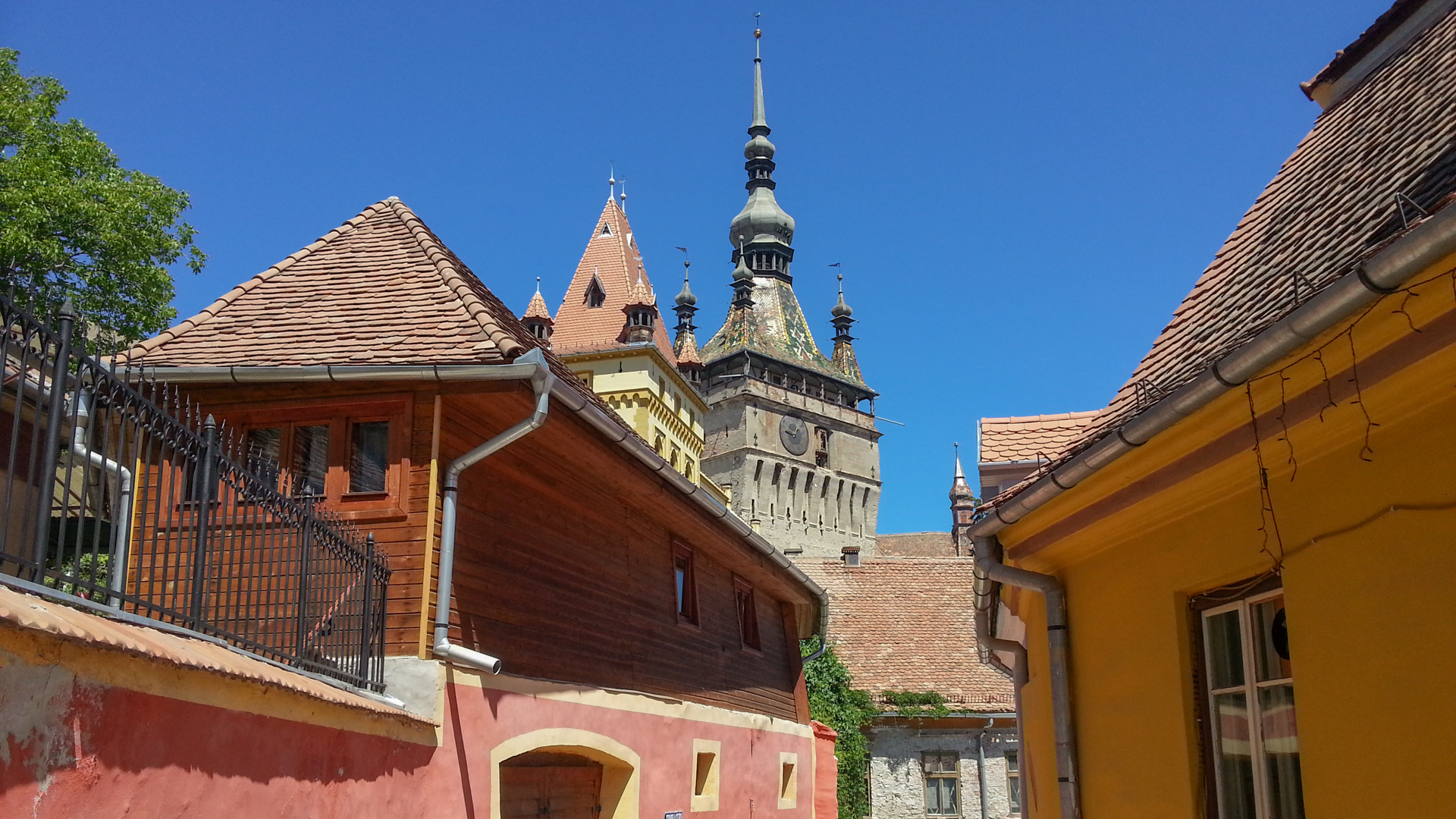
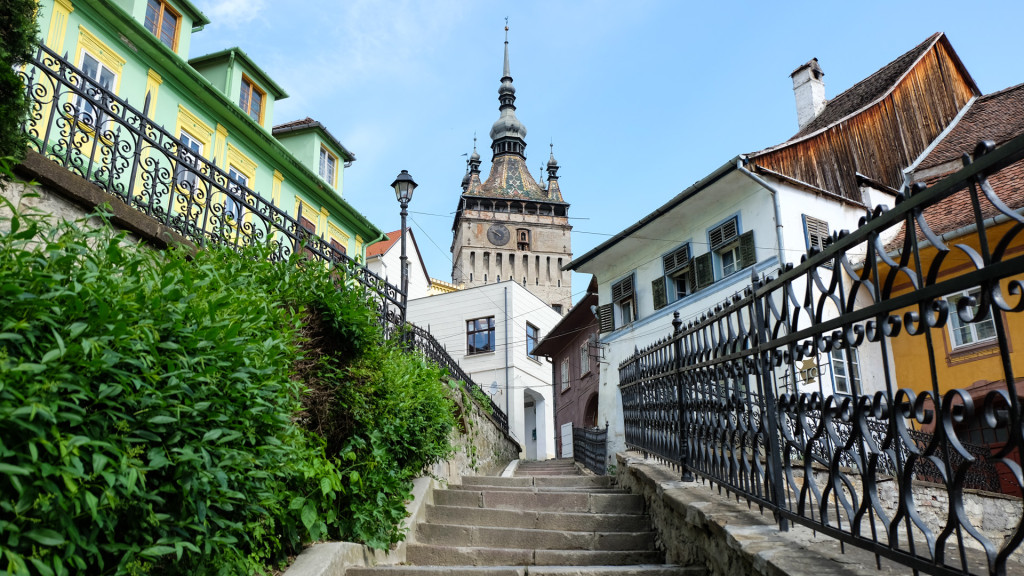
- Tour the historical town of Sighisoara, listed in UNESCO heritage.
- Walk through Bicaz Gorges, one of the natural wonders of Romania.
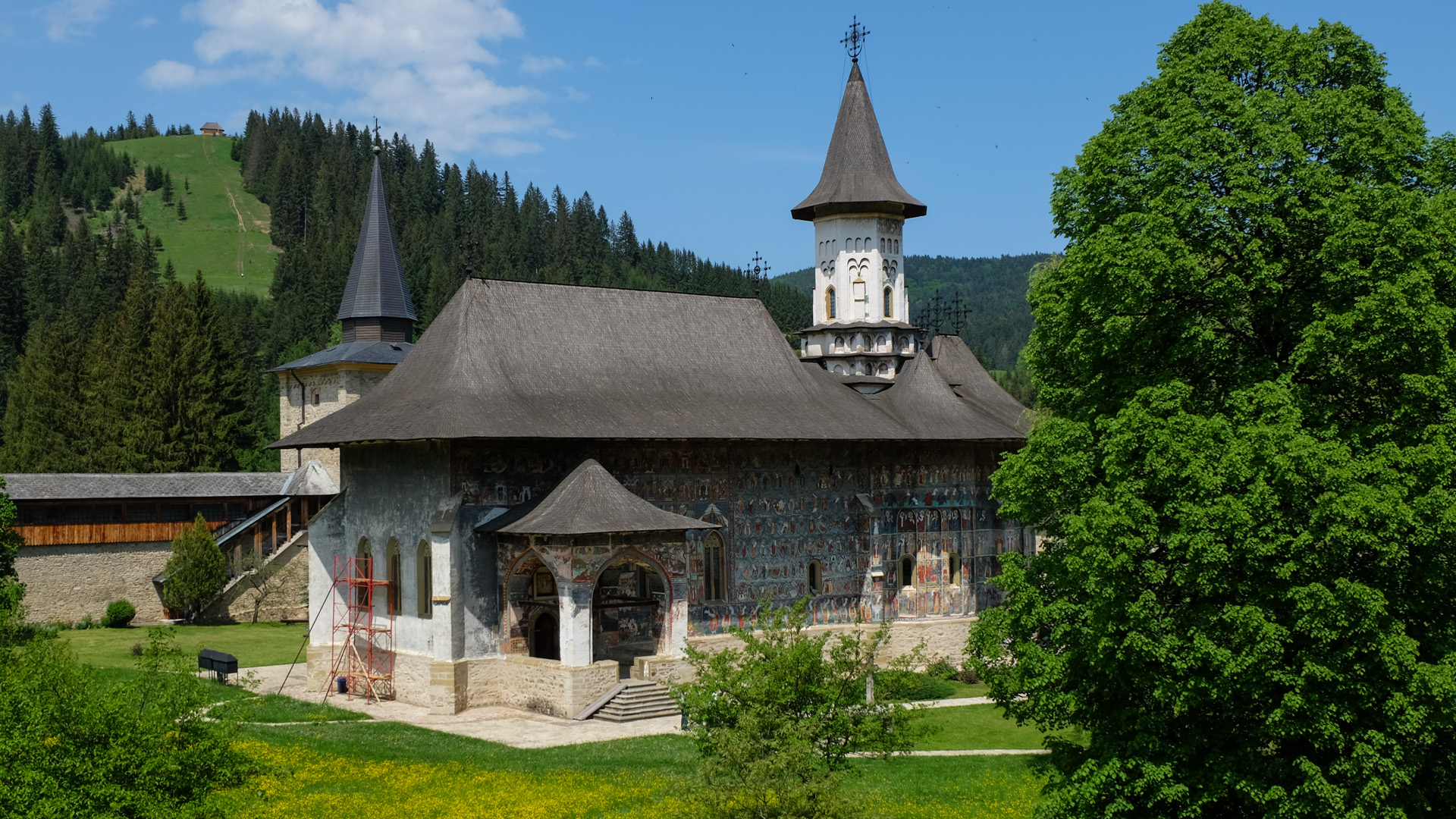
- Tour the Painted Monasteries with a local guide.
- Discover the crafts of Maramures Region
- Visit the unique Merry Cemetery in Maramures
- Admire the impressive architecture of Cluj Napoca
- Go inside to one of the most beutiful Salt Mines in the world
- Drive through magnificent old houses of Rimetea Village
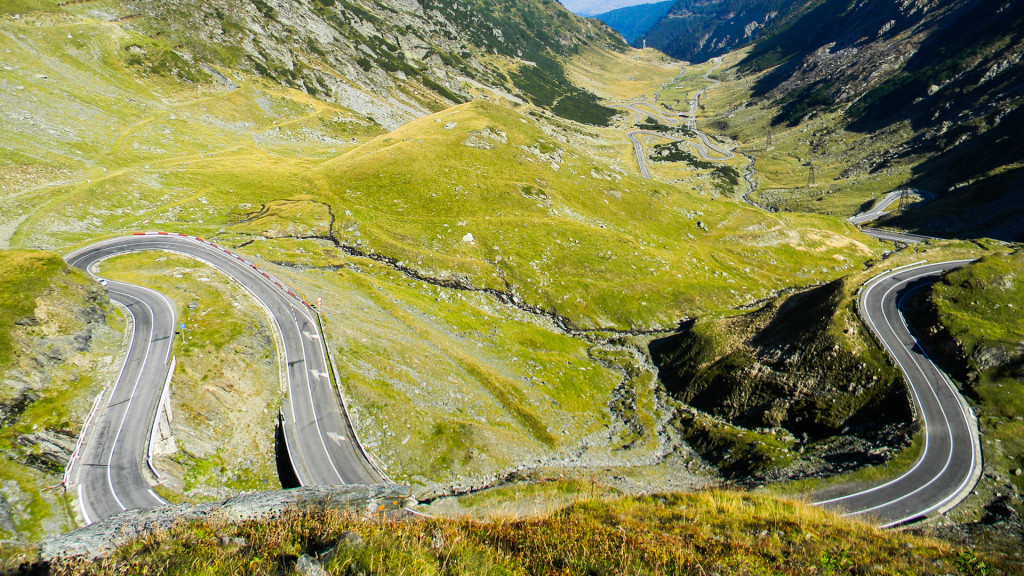
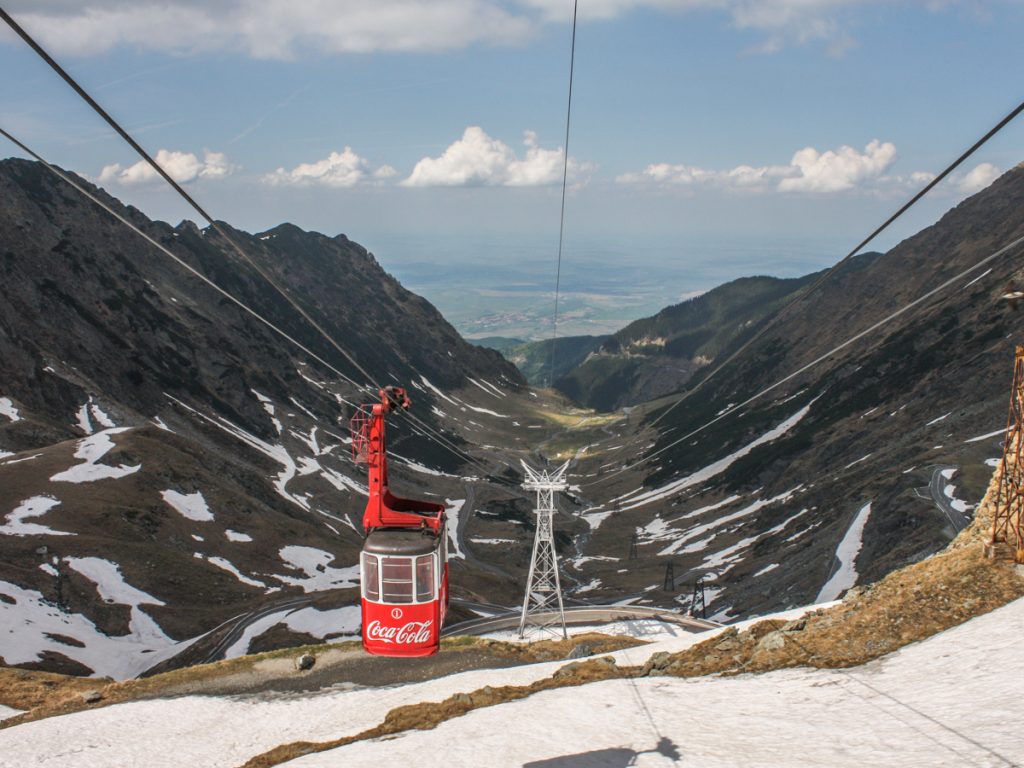
- Drive on one of the best scenic road in the world
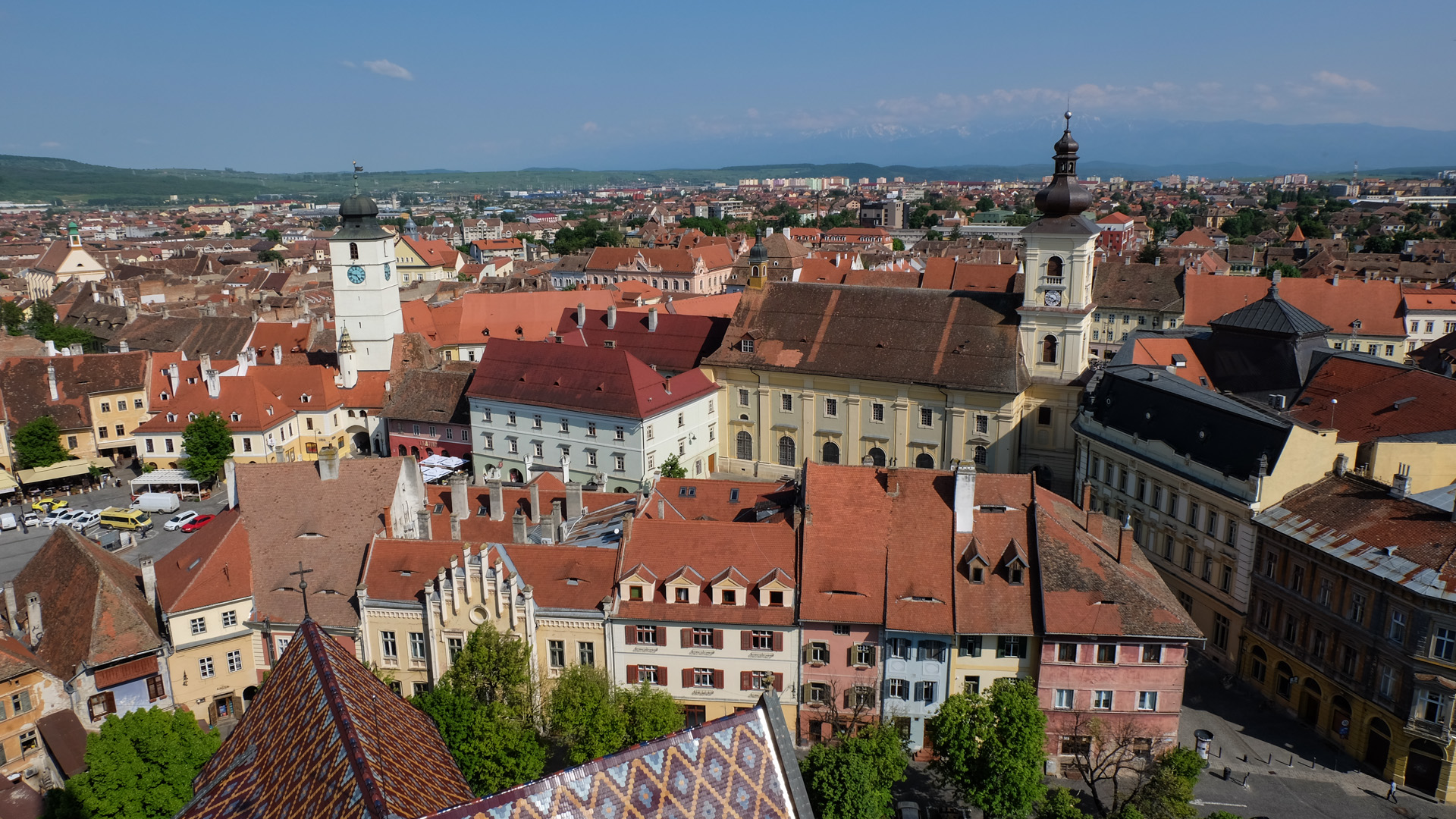
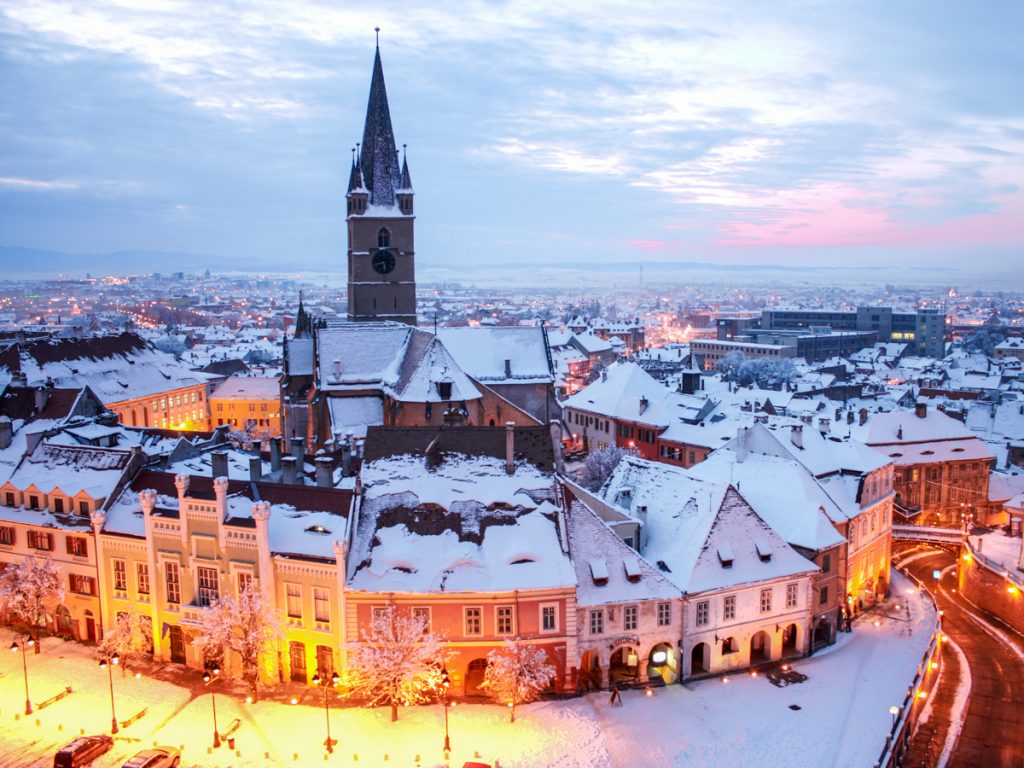
- Admire one of the best preserved medieval town in Transylvania – Sibiu.
- Wonder to the beautiful Curtea de Arges Monastery
FROM
€1800.00
Select the number of people to see the final price
Total
€1800.00

Good to know
Key facts
Itinerary
Timeline
Itinerary
Day by day
Day 1
Bucharest Sightseeing Tour
Day 2
Bucharest – Peles Castle – Bran Castle – Brasov
Day 3
Brasov – Viscri Village – Sighișoara
Day 4
Sighișoara- Red Lake- Bicaz Gorge- Gura Humorului
Day 5
Day tour of The Painted Monasteries of Bucovina
Day 6
Gura Humorului – Maramures Region – Breb Village
Day 7
Maramures day – Merry Cemetery – Sighetu Marmatiei – Breb Village
Day 8
Maramureș – Turda Salt Mine – Cluj Napoca
Day 9
Cluj – Rimetea Village- Alba Iulia- Sibiu
Day 10
Sibiu – Transfagarasan scenic road- Bucharest
Day 11
Day 12
Full description
A real experience
Grand Tour of Romania – 10-Day Guided Tour from Bucharest
Discover Romania on a 10-day guided tour that connects the country’s main cultural regions: Bucharest, Transylvania, Bucovina and Maramureș. This itinerary combines royal castles, medieval towns, painted monasteries, traditional villages, mountain landscapes and important historical sites linked to Romania’s royal, Saxon, Romanian, Hungarian and communist past.
The Grand Tour of Romania starts in Bucharest and follows a varied route through Sinaia, Bran, Brașov, Viscri, Sighișoara, Bucovina, Maramureș, Cluj-Napoca, Alba Iulia and Sibiu, before returning to Bucharest.
Tour Highlights
This tour is designed for travelers who want to see Romania beyond a single city or region. The itinerary includes:
- A panoramic and walking tour of Bucharest
- The Parliament Palace, the Old Town and the Village Museum
- Peleș Castle in Sinaia, one of Romania’s most elegant royal residences
- Bran Castle, associated with the Dracula legend
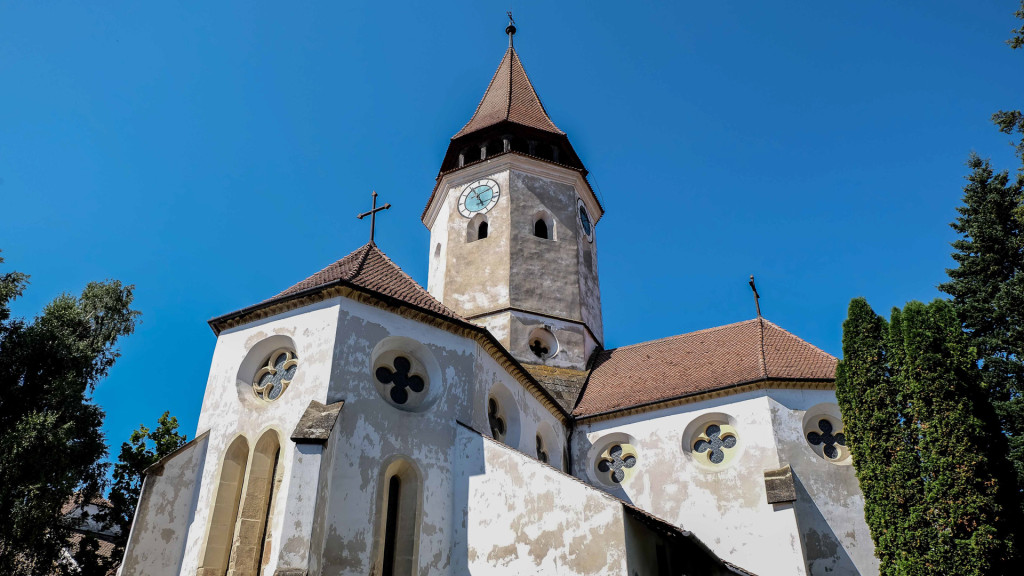
- Brașov and the Saxon heritage of Transylvania
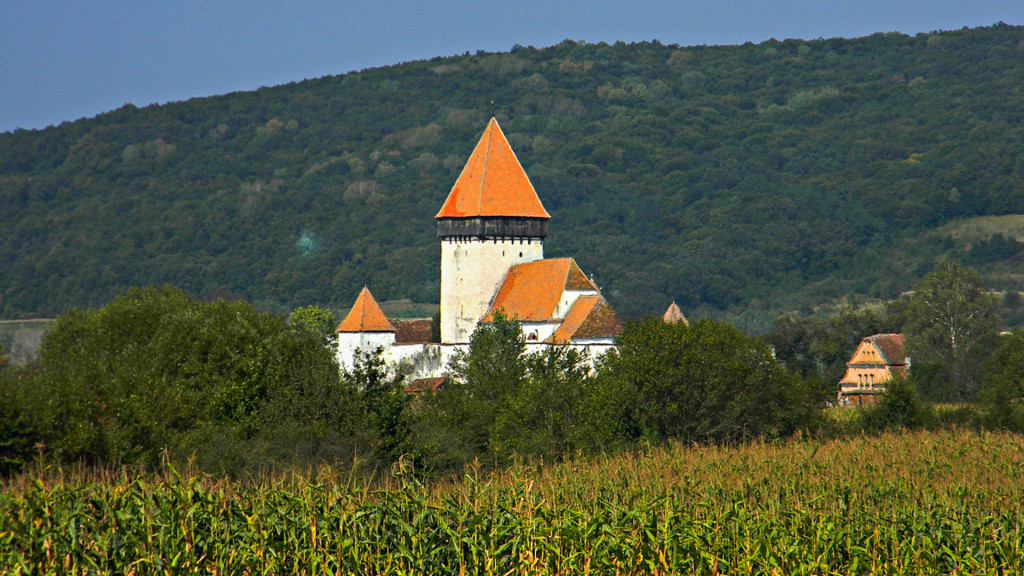
- Viscri Village and the fortified village atmosphere of rural Transylvania
- Sighișoara, the medieval citadel linked to Vlad the Impaler
- Bicaz Gorge and Red Lake in the Eastern Carpathians
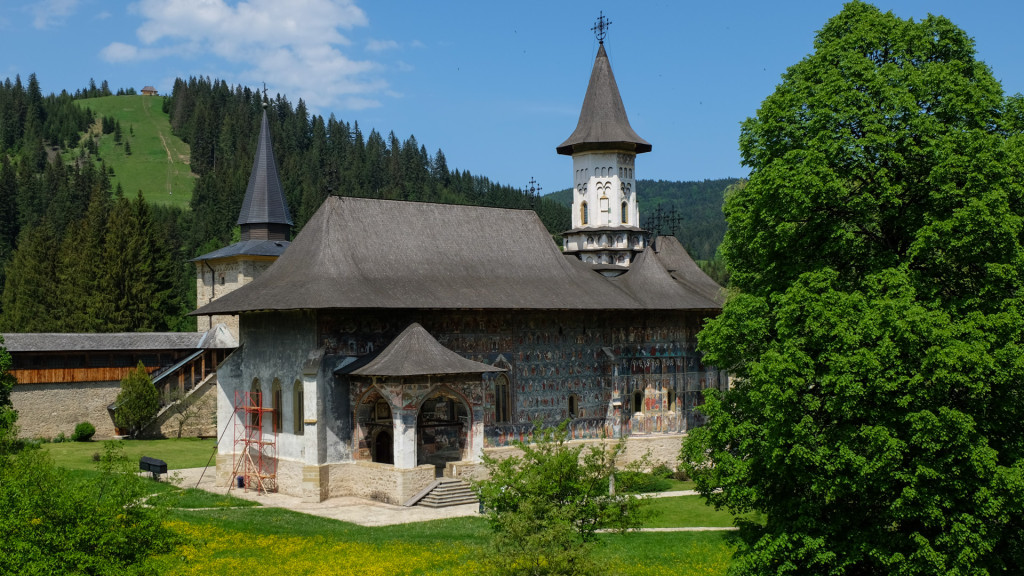
- The painted monasteries of Bucovina: Voroneț, Moldovița and Sucevița
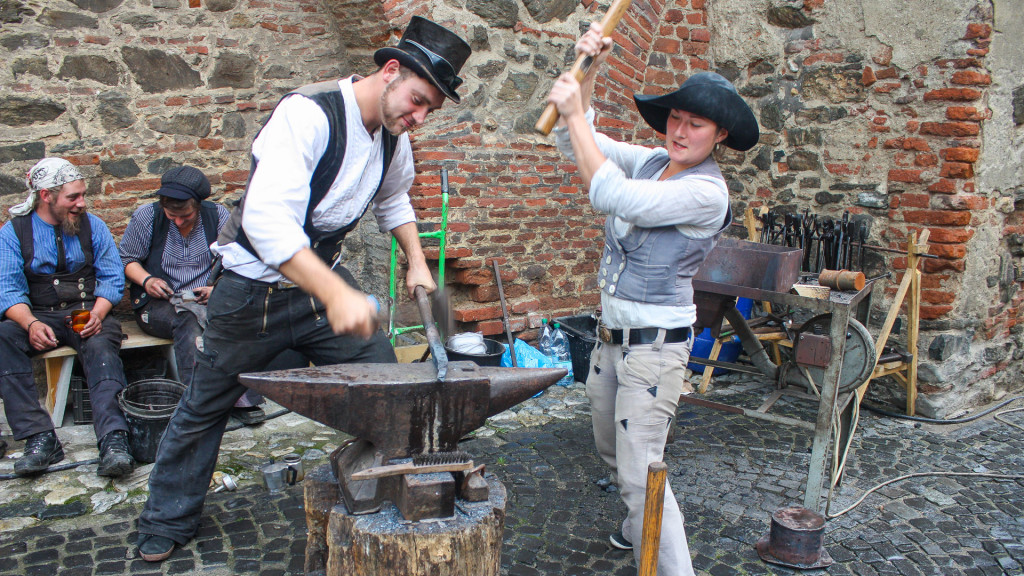
- Traditional crafts, including egg painting and black pottery in Marginea
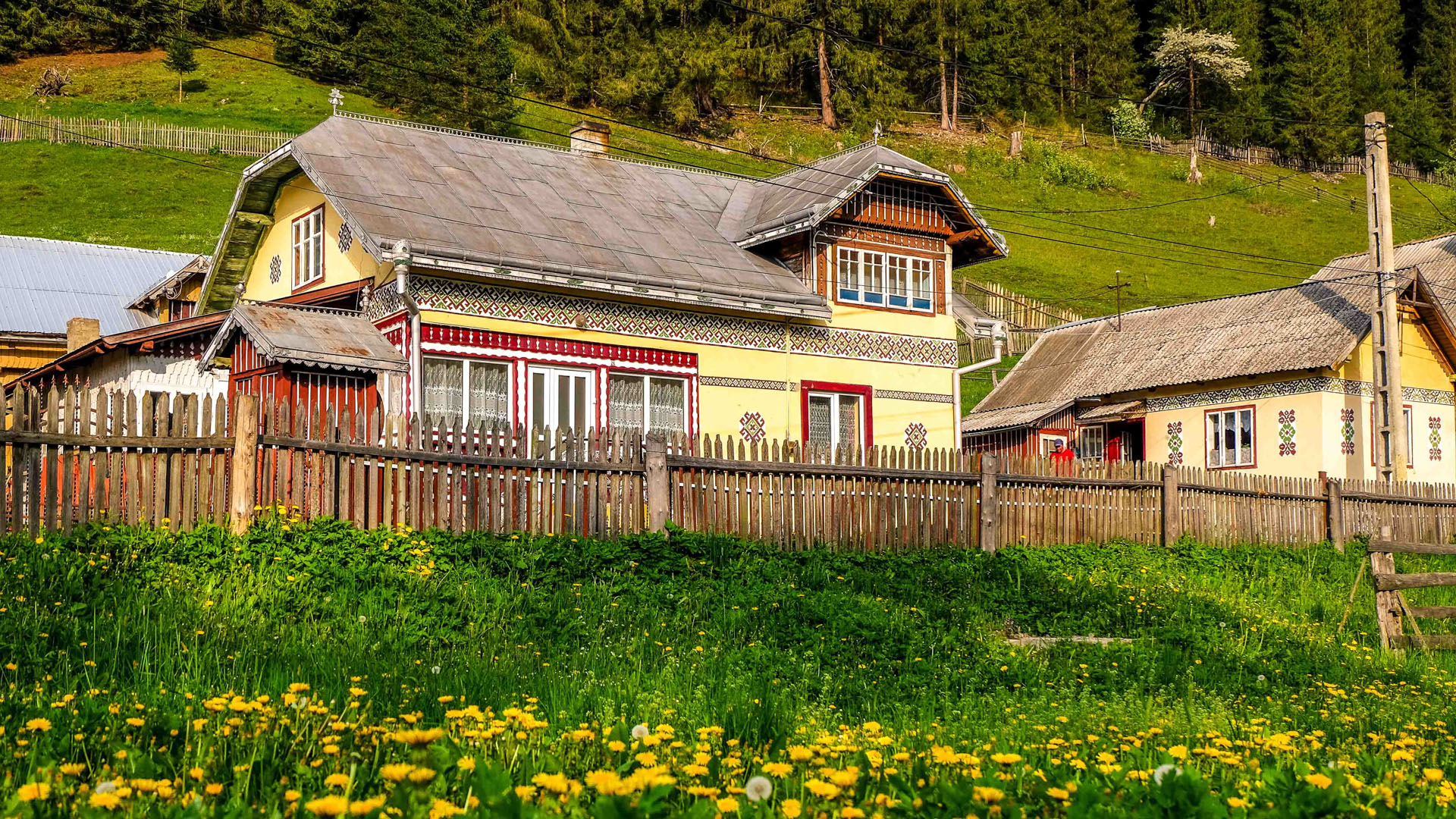
- Maramureș, known for wooden churches, carved gates and village traditions
- The Merry Cemetery in Săpânța and the Memorial to the Victims of Communism in Sighetu Marmației
- Turda Salt Mine, Alba Iulia and Sibiu
- The Transfăgărășan scenic road, available from July to September
Detailed Itinerary
Day 1: Bucharest Sightseeing Tour
Meet your local guide at the airport in Bucharest and begin your Romania tour with a panoramic introduction to the capital city.
The tour includes some of the most important sites and areas of Bucharest, such as the Triumphal Arch, Victory Square, the Royal Palace, today the seat of the National Art Museum, the Romanian Athenaeum, Revolution Square, Victory Avenue and Union Square.
You will also have the chance to visit the Parliament Palace, the enormous building constructed during the communist period of Nicolae Ceaușescu. The tour continues with a walking visit through Bucharest’s Old Town, once an area of princely families and nobles, later a craftsmen’s district and today one of the city’s busiest areas for restaurants, bars and cobblestone streets.
The day ends with a visit to the Village Museum, one of the most interesting open-air museums in Romania.
Overnight in Bucharest, 3-star hotel.
Day 2: Bucharest – Peleș Castle – Bran Castle – Brașov
After leaving Bucharest, travel north towards the mountain resort of Sinaia, where you will visit Peleș Castle.
Peleș Castle is a masterpiece of German New-Renaissance architecture, commissioned by King Carol I in 1873 and completed in 1883. Its 160 rooms are decorated with European art, Murano crystal chandeliers, German stained-glass windows, Cordoba leather wall coverings, Meissen and Sèvres porcelain, ebony and ivory sculptures.
Continue to Bran and visit Bran Castle, often known as Dracula’s Castle. Its fame is connected to Bram Stoker’s 1897 novel and later to the film adaptations of the Dracula legend. The first documents mentioning Bran Castle date back to 1377. Over the centuries, the castle held a strategic position on the border between Transylvania and Wallachia.
Bran Castle was connected at different times with Sigismund of Luxembourg, the Romanian ruler Mircea the Elder, Vlad the Impaler and the city of Brașov. In the 20th century, it was donated to the Romanian royal family and became a royal summer residence. Today, the museum preserves furniture and objects from that royal period.
Overnight in Brașov, 3-star hotel.
Day 3: Brașov – Viscri Village – Sighișoara
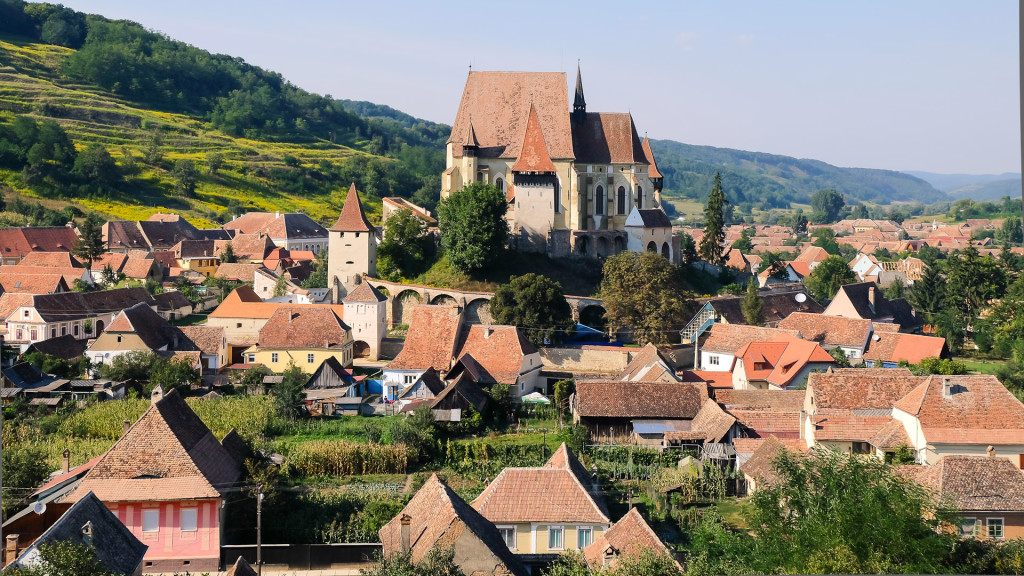
Leave Brașov and travel towards Sighișoara through a landscape of old Saxon villages, fortified churches and rural Transylvanian architecture.
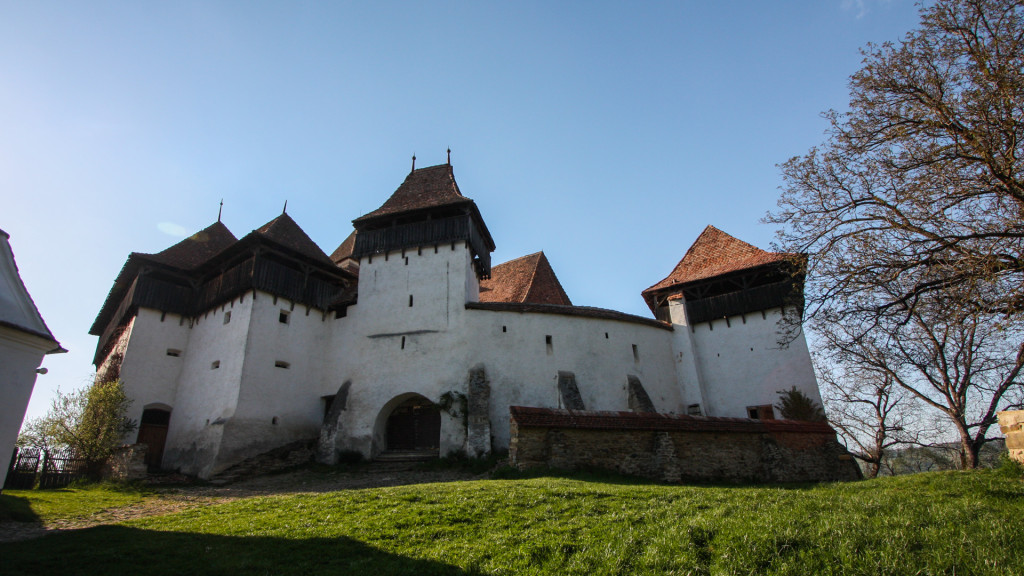
The first stop is Viscri Village, one of the best-known traditional villages in Romania. Viscri became especially famous after Prince Charles of Wales discovered and supported the preservation of this remarkable village, often described as a place where the atmosphere of medieval Transylvania is still visible.
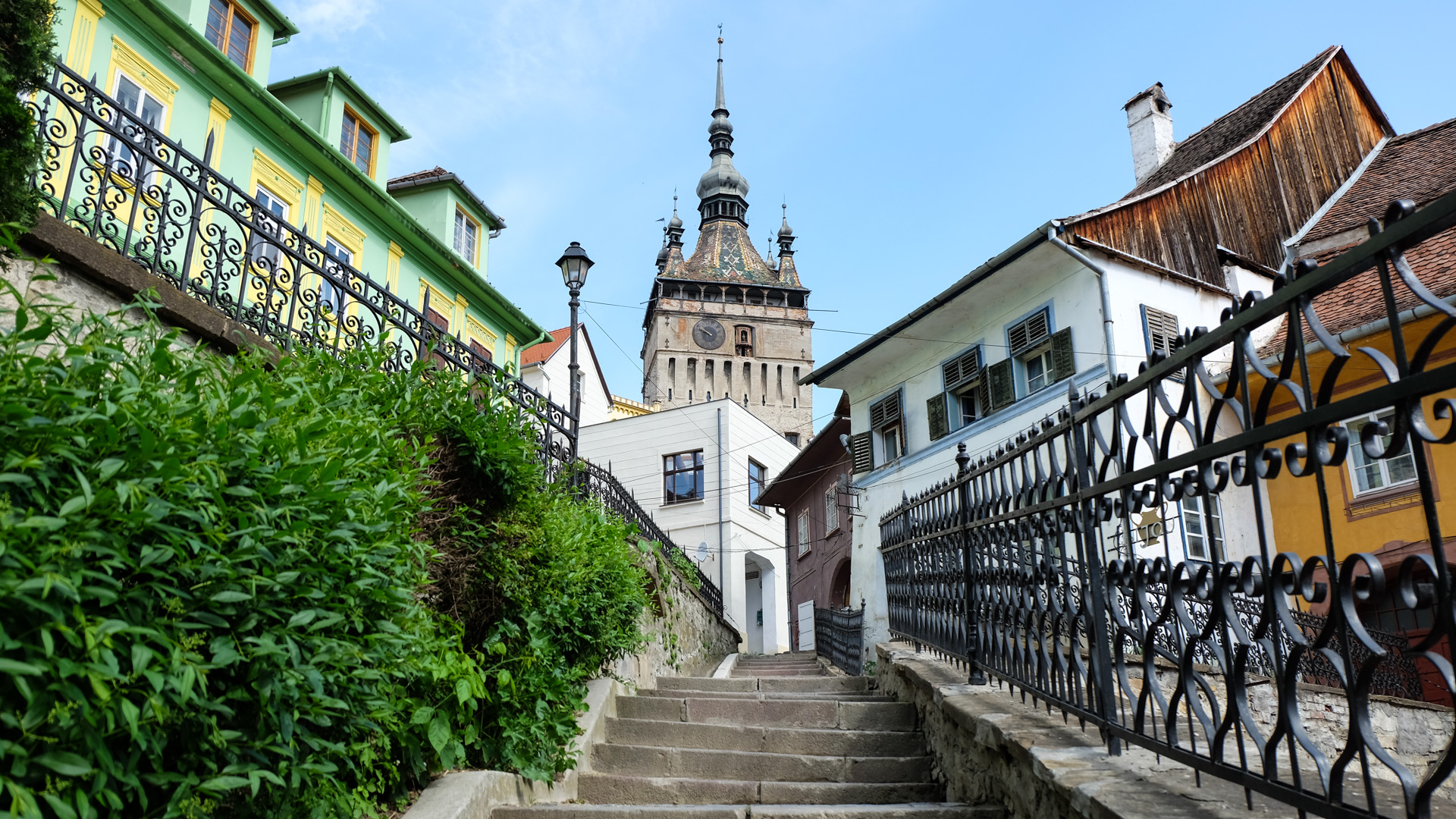
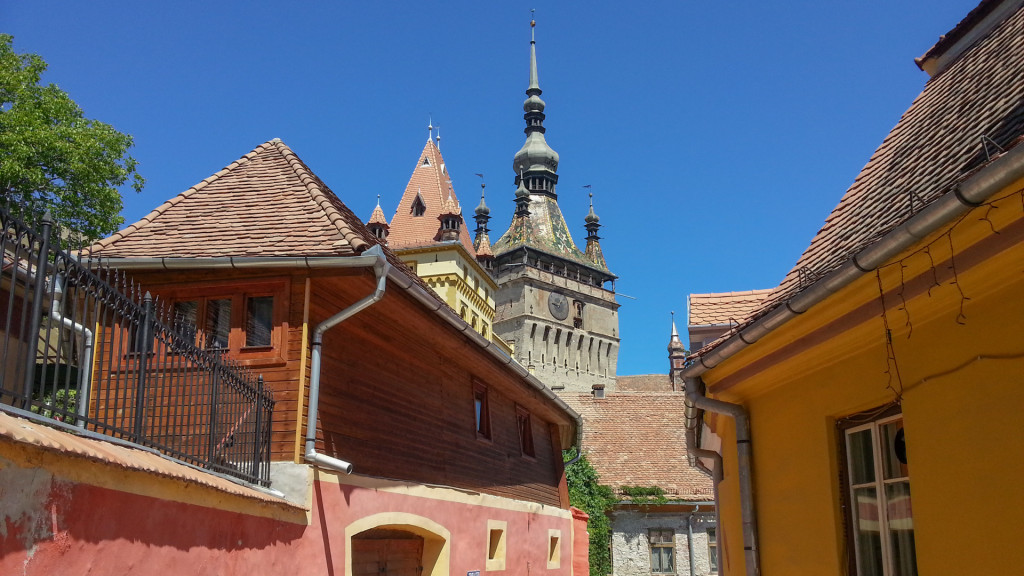
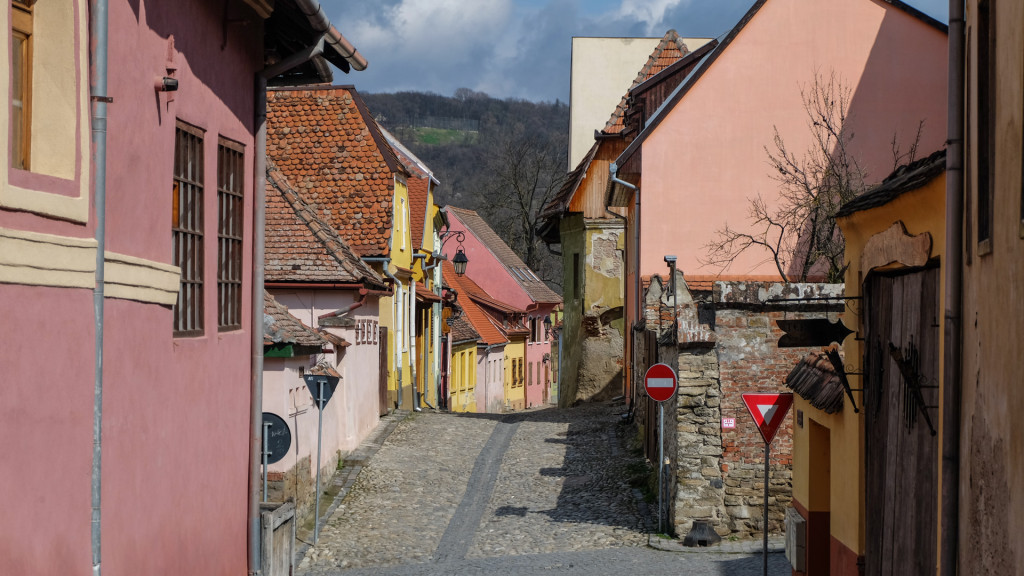
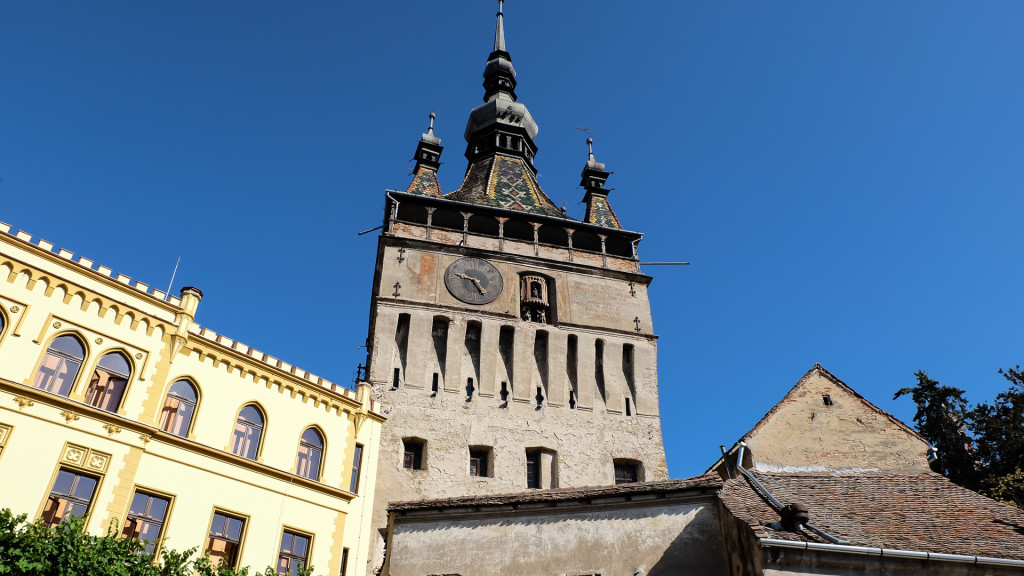
Continue to Sighișoara, one of Romania’s most important medieval citadels. In 1431, in a house near the Clock Tower, Vlad the Impaler was born. Abroad, he became better known as Dracula, a name connected to his father, Vlad Dracul, who was made a knight of the Order of the Dragon by Emperor Sigismund of Luxembourg.
In Sighișoara, you will discover the Clock Tower, the Church on the Hill, the Scholars’ Stairs, the Monastery Church and several of the old guild towers, including the Shoemakers’ Tower, the Tailors’ Tower and the Tinsmiths’ Tower.
Overnight in Sighisoara 3*.
Day 4: Sighișoara – Red Lake – Bicaz Gorge – Gura Humorului
Today you leave Transylvania and travel towards Bucovina, a region known as “the land across forested mountains.”
The route crosses the Eastern Carpathians through Bicaz Gorge, one of the most dramatic mountain passages in Romania. Before reaching Bucovina, the journey passes through the area around Red Lake, a region inhabited largely by the Hungarian Szekler community.
The landscapes of the Eastern Carpathians create a strong connection with the mysterious atmosphere often associated with Bram Stoker’s Dracula.
Overnight in Gura Humorului 4*.
Day 5: Day Tour of the Painted Monasteries of Bucovina
Bucovina is one of Romania’s most visited cultural regions, especially known for its painted monasteries and traditional crafts.
The first visit of the day is Voroneț Monastery, built in 1488. The monastery combines Byzantine, Gothic and local architectural elements. Its exterior murals include traditional religious scenes, while the western wall is famous for the Last Judgment fresco.
The tour continues with an egg painting demonstration by a local artist from Bucovina, offering insight into one of the region’s traditional crafts.
Travel along one of the most scenic roads in the area, crossing the gentle slopes of the Bucovina Mountains and admiring the panoramas from Ciumârna Pass. The next stop is Moldovița Monastery, built in 1532. The monastery is set within a fortified quadrangular enclosure with towers, gates and well-kept lawns. The central painted church features impressive frescoes from 1537, including the Siege of Constantinople on the southern exterior wall.
After a Romanian lunch at a local restaurant, visit Sucevița Monastery. Here, you will learn more about the “Virtue Staircase,” an impressive fresco known for its size and contrast between angelic order and demonic chaos.
The day ends in Marginea Village, famous for black pottery. You can see how clay is prepared, shaped on the potter’s wheel, decorated by polishing and finally fired.
Overnight in Gura Humorului 4*
Day 6: Gura Humorului – Maramureș Region – Breb Village
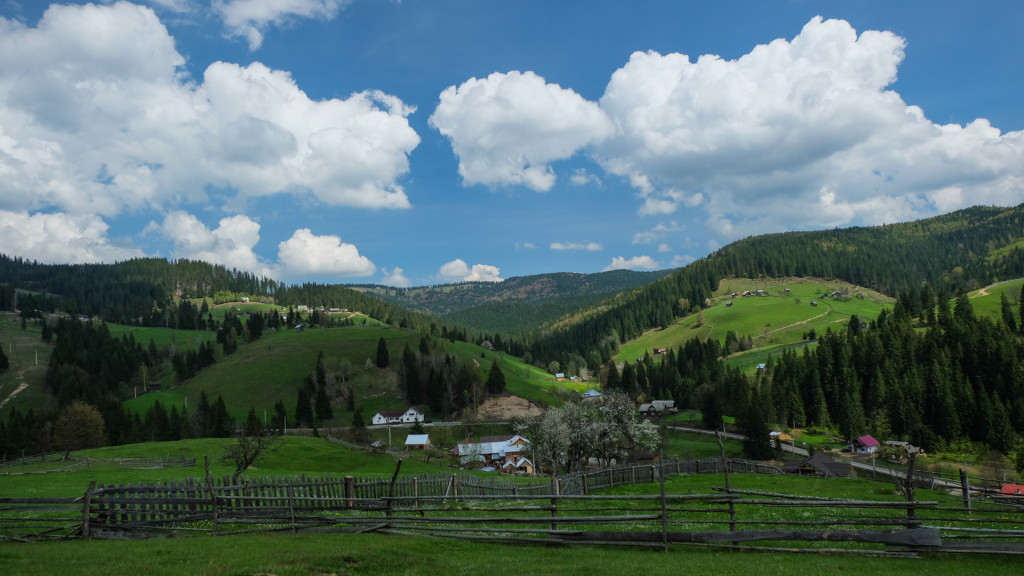
Today’s journey is long but scenic. Leave Bucovina and head towards the remote region of Maramureș, often called “the Land of Wood.”
The route crosses the Eastern Carpathians through the Rodnei National Park area, passing through mountain landscapes connected with the mysterious atmosphere of northern Romania.
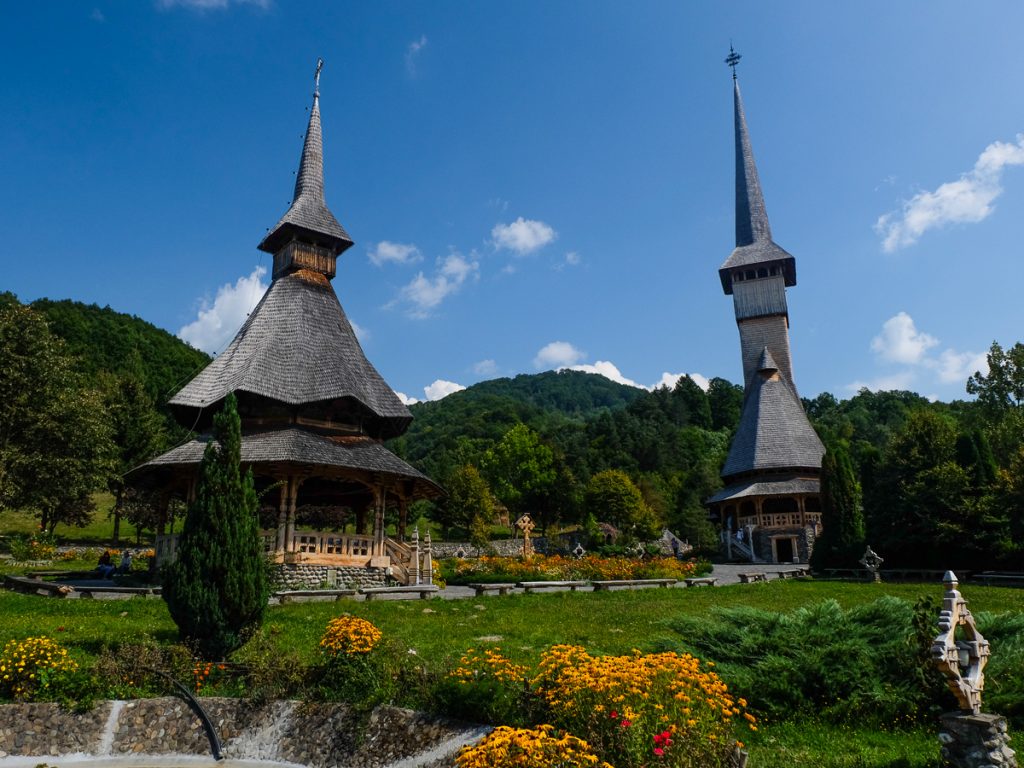
After reaching Maramureș, visit Bârsana Monastery, known for its tall wooden church and beautiful gardens. You will also visit the house of Toader Bârsan, a local wood carver known for his carved wooden gates and for taking part in the Smithsonian World Festival in Washington.
Overnight in Breb Village, traditional guesthouse.
Day 7: Maramureș Day Tour – Merry Cemetery – Sighetu Marmației – Breb Village
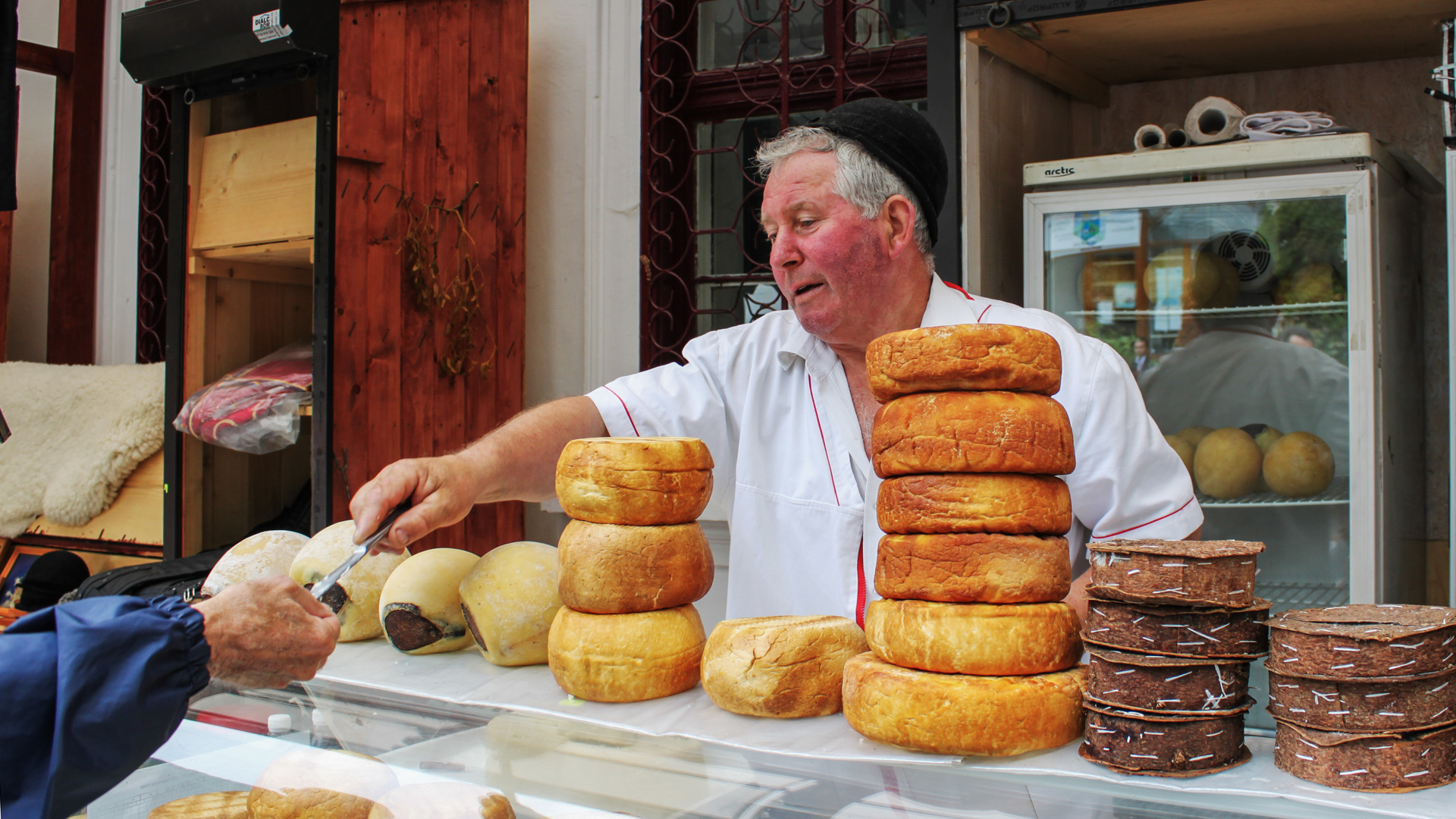
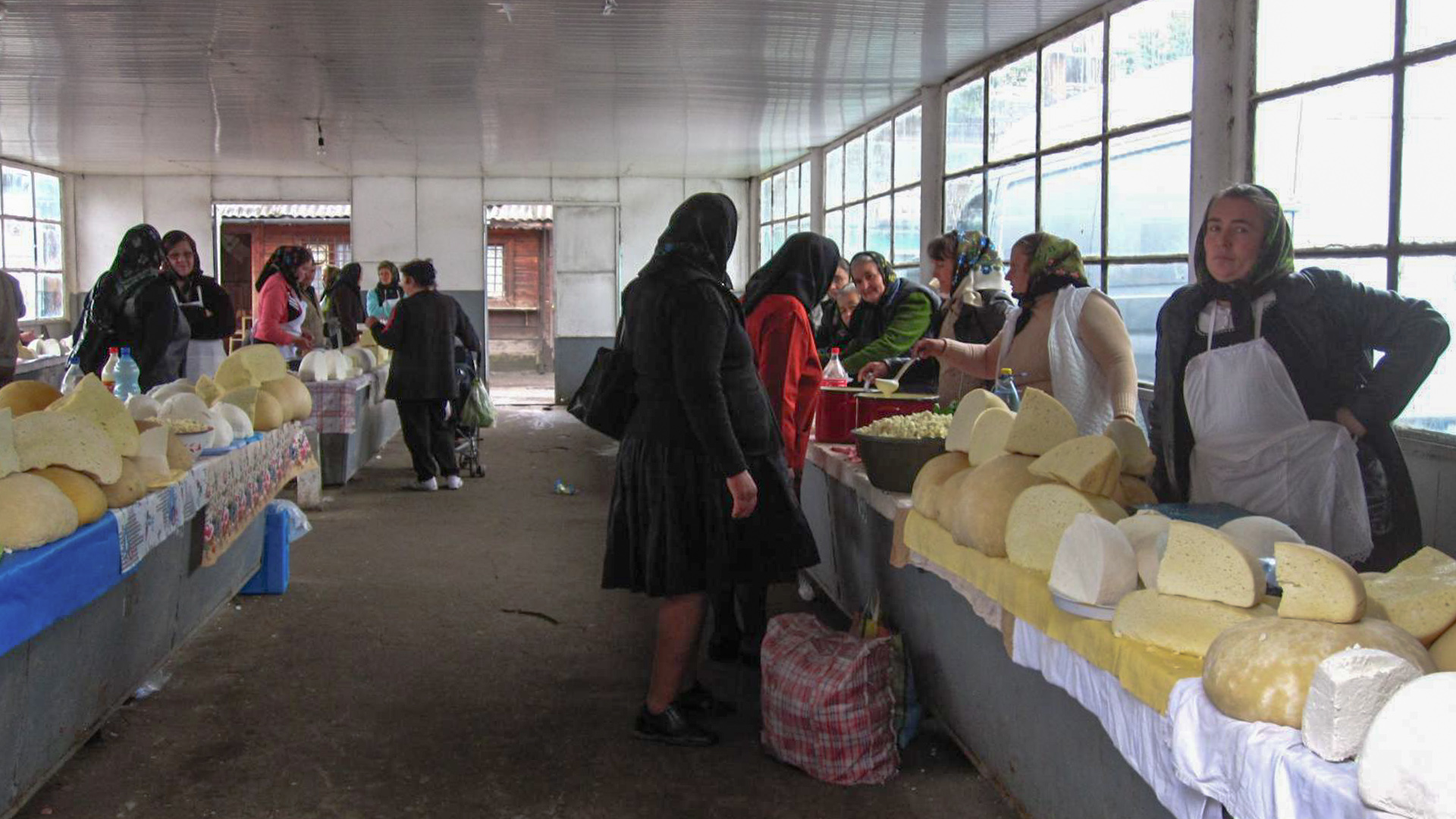
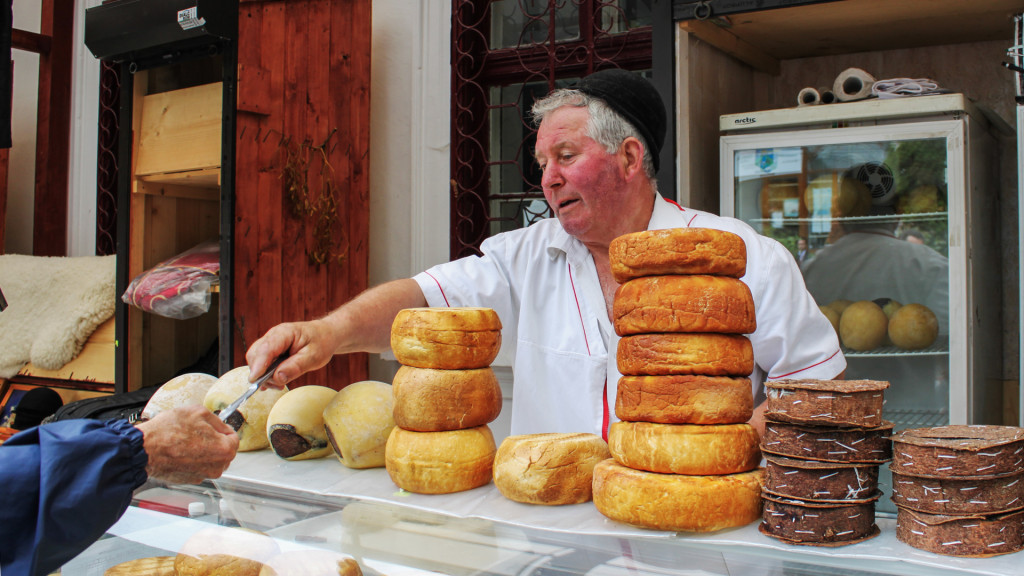
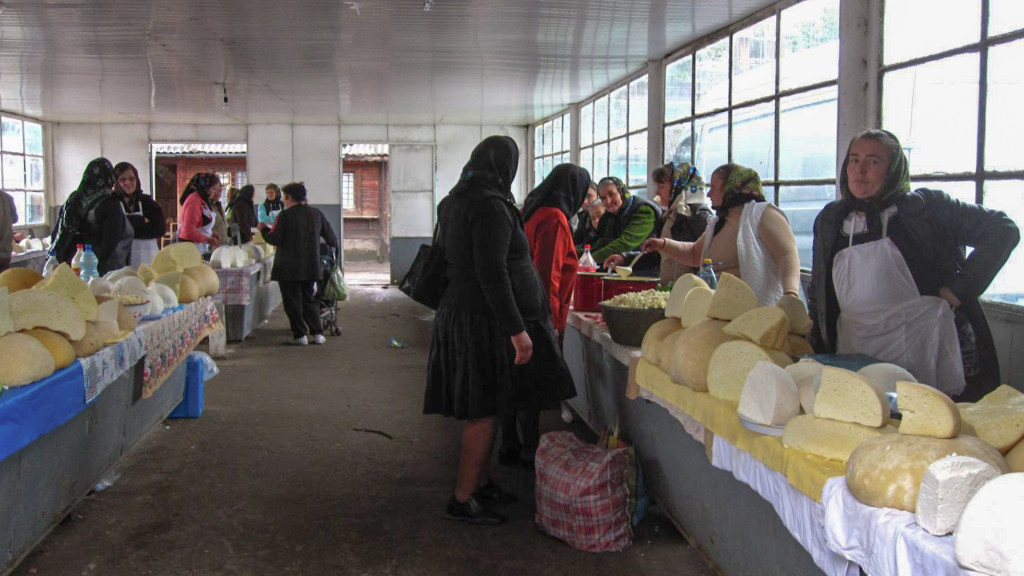
Start the morning in Sighetu Marmației, where local farmers sell their products at the vegetable market.
Continue to Săpânța Village, famous for the Merry Cemetery. The cemetery reflects an old belief that death is not only an end, but also a beginning. Its blue wooden crosses feature carved scenes and humorous epitaphs that describe essential details from the lives of the people buried there, including both their qualities and imperfections.
Next, visit Sighetu Marmației and the Memorial to the Victims of Communism, located in the former Sighet Prison. During the communist regime, especially in the 1950s, this prison was used to silence political opponents.
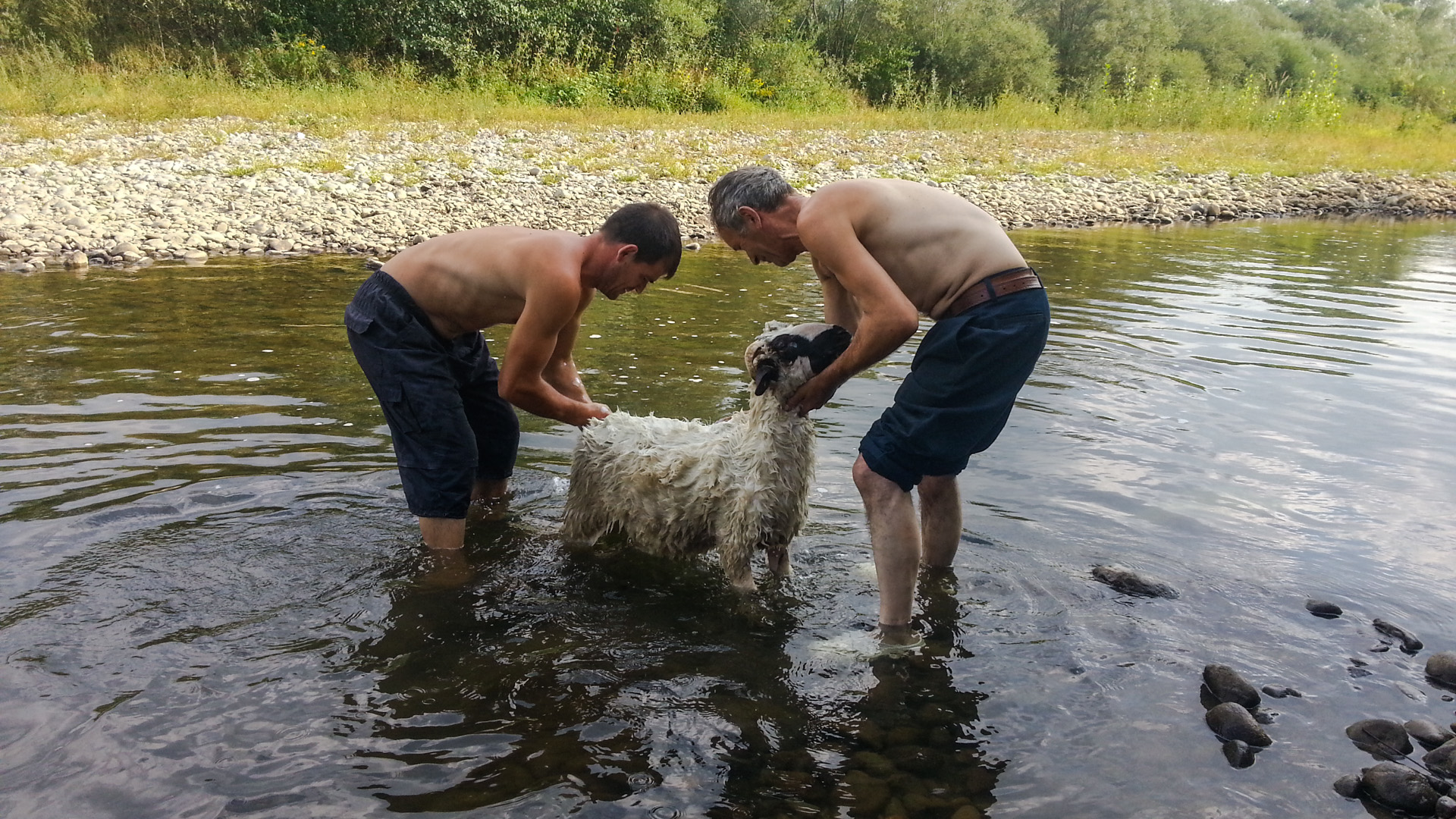
Later, meet a Romanian family in their home for a traditional lunch. In the afternoon, enjoy a walk through Breb Village and discover local traditions. Visit a local distillery where people prepare țuică or pălincă, a plum brandy. Nearby, you will see how locals wash carpets using a traditional method preserved for generations.
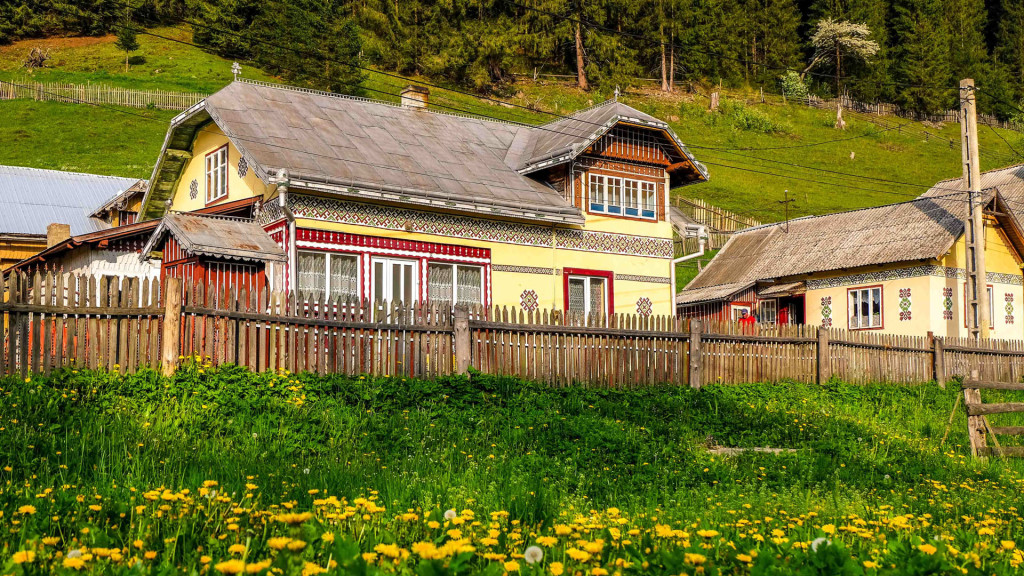
Continue walking through the village streets, admiring wooden gates, wooden houses, local architecture and daily village life.
Overnight in Breb Village, traditional guesthouse.
Day 8: Maramureș – Turda Salt Mine – Cluj-Napoca
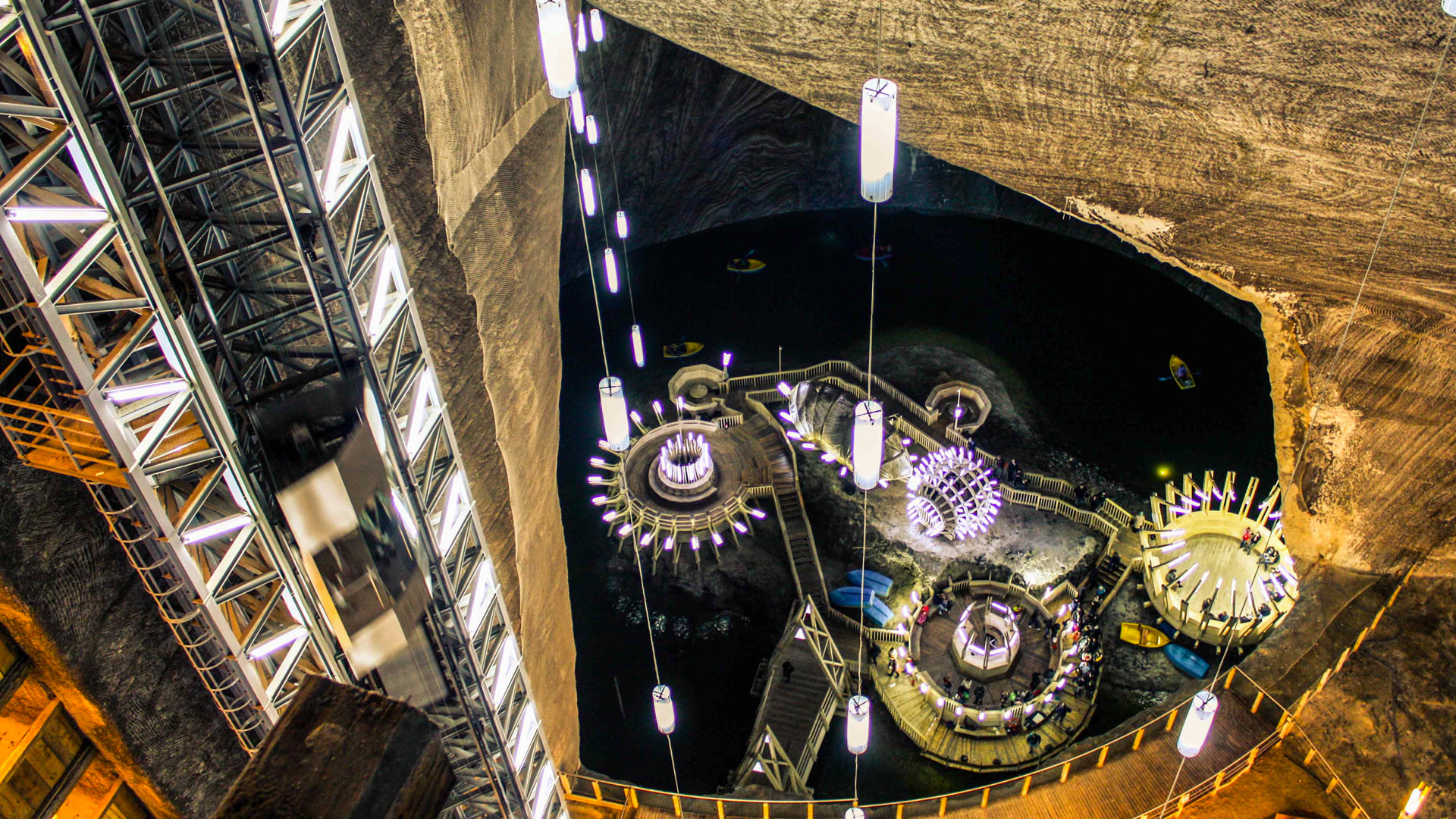
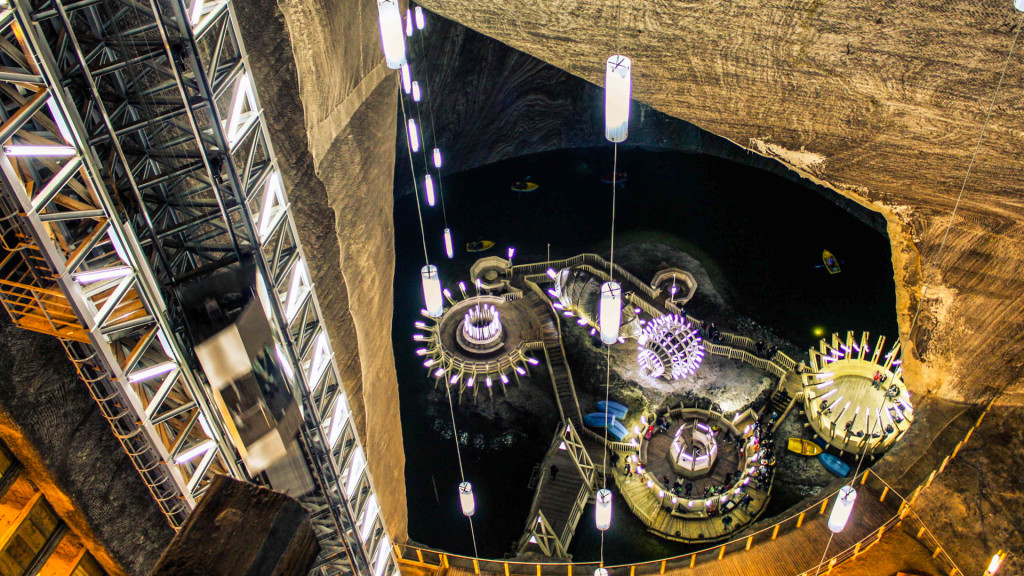
Leave Maramureș and travel towards Transylvania. Around 20 km from Cluj-Napoca, visit Turda Salt Mine, a remarkable underground site and a museum of salt exploitation.
The salt deposits were first used by the Romans, and Turda later became an important salt exploitation center during the Habsburg period in Transylvania.
Overnight in Cluj-Napoca
Day 9: Cluj-Napoca – Rimetea Village – Alba Iulia – Sibiu
Leave Cluj-Napoca in the morning and drive to Rimetea Village, one of the best-preserved settlements in Transylvania. Here you can admire the white-painted houses, traditional architecture and the mountain scenery that frames the village.
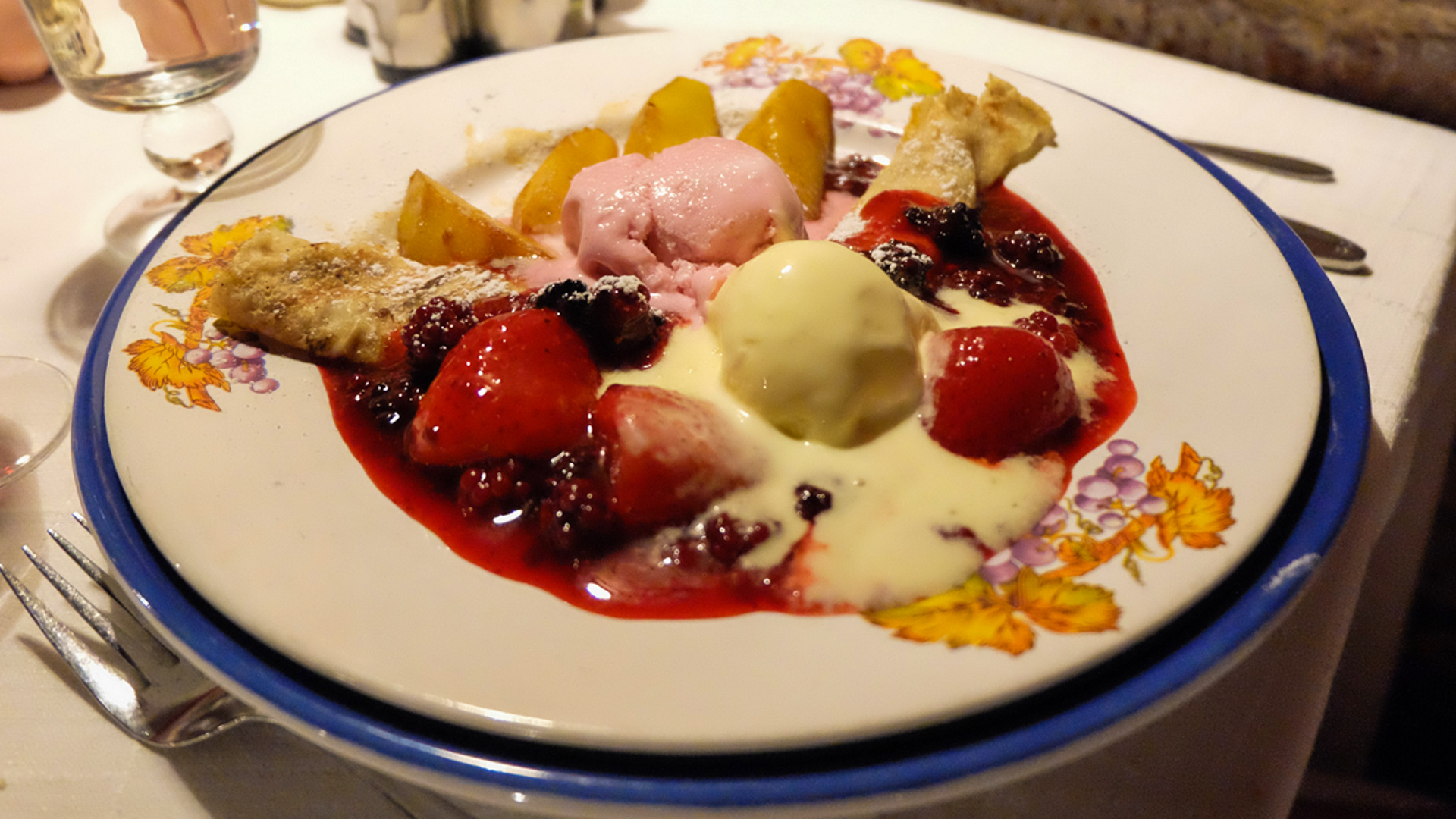
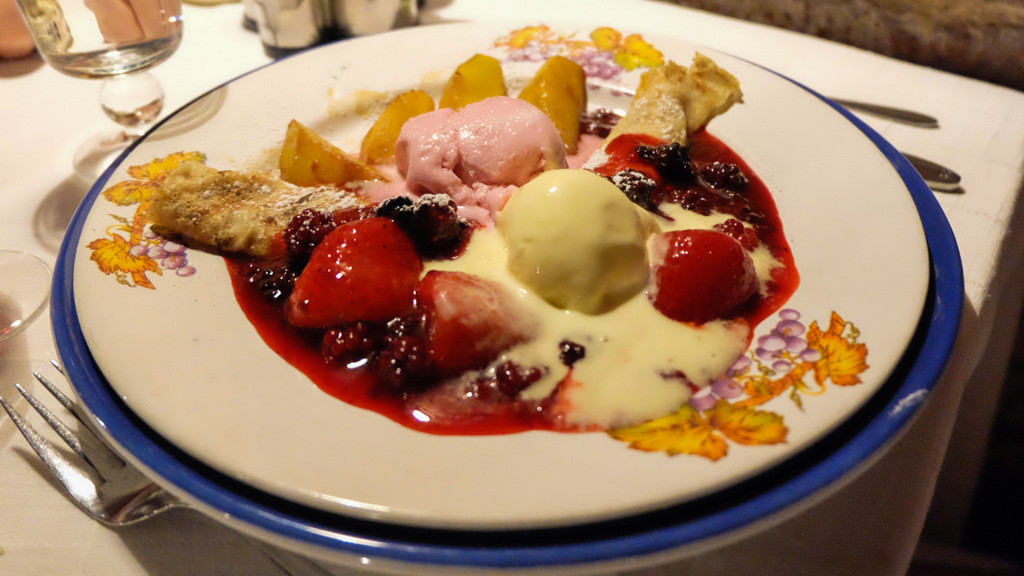
There may also be a stop at a former manor, where you can taste local desserts.
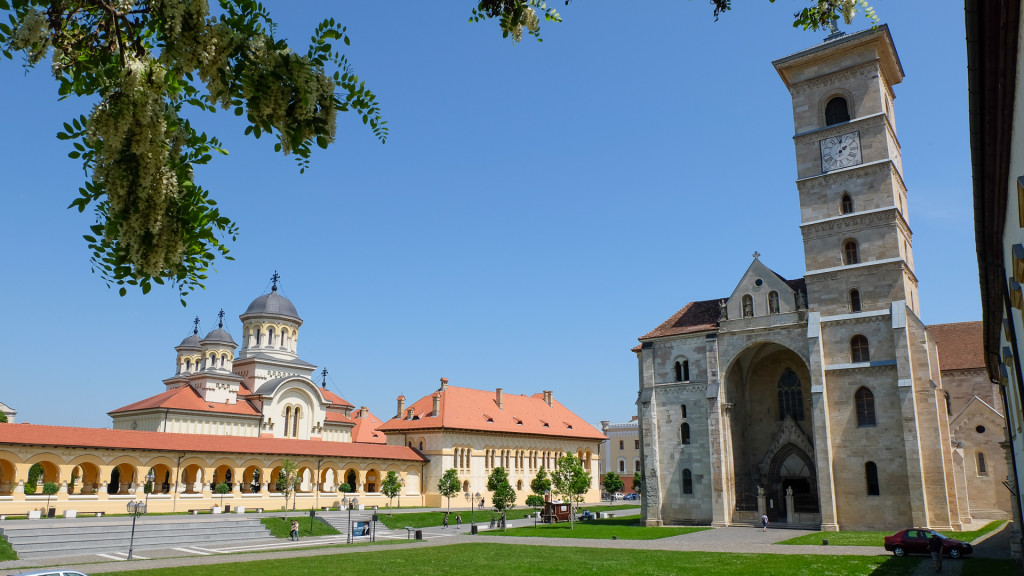
Continue to Alba Iulia, a city with origins dating back to the Roman period in the 2nd century. Alba Iulia offers a journey through the history of Transylvania, from ancient times to the medieval and modern eras.
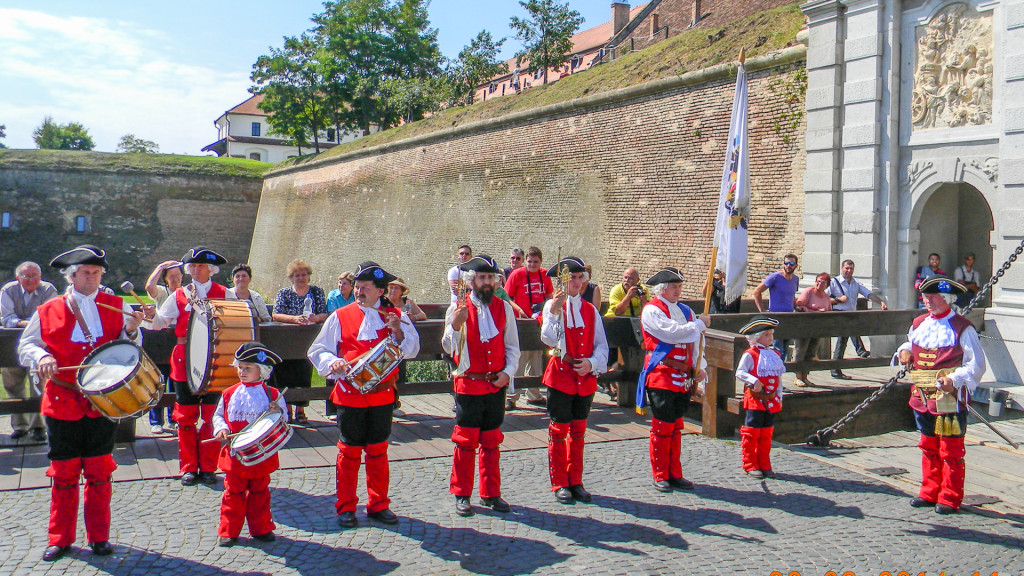
The visit includes Roman ruins, medieval fortifications, the Vauban-style modern fortress, the Catholic Cathedral, considered the oldest in Transylvania, and the Reunification Cathedral, which commemorates the union of the Romanian provinces into one country.
Overnight in Sibiu.
Day 10: Sibiu – Transfăgărășan Scenic Road – Curtea de Argeș – Bucharest
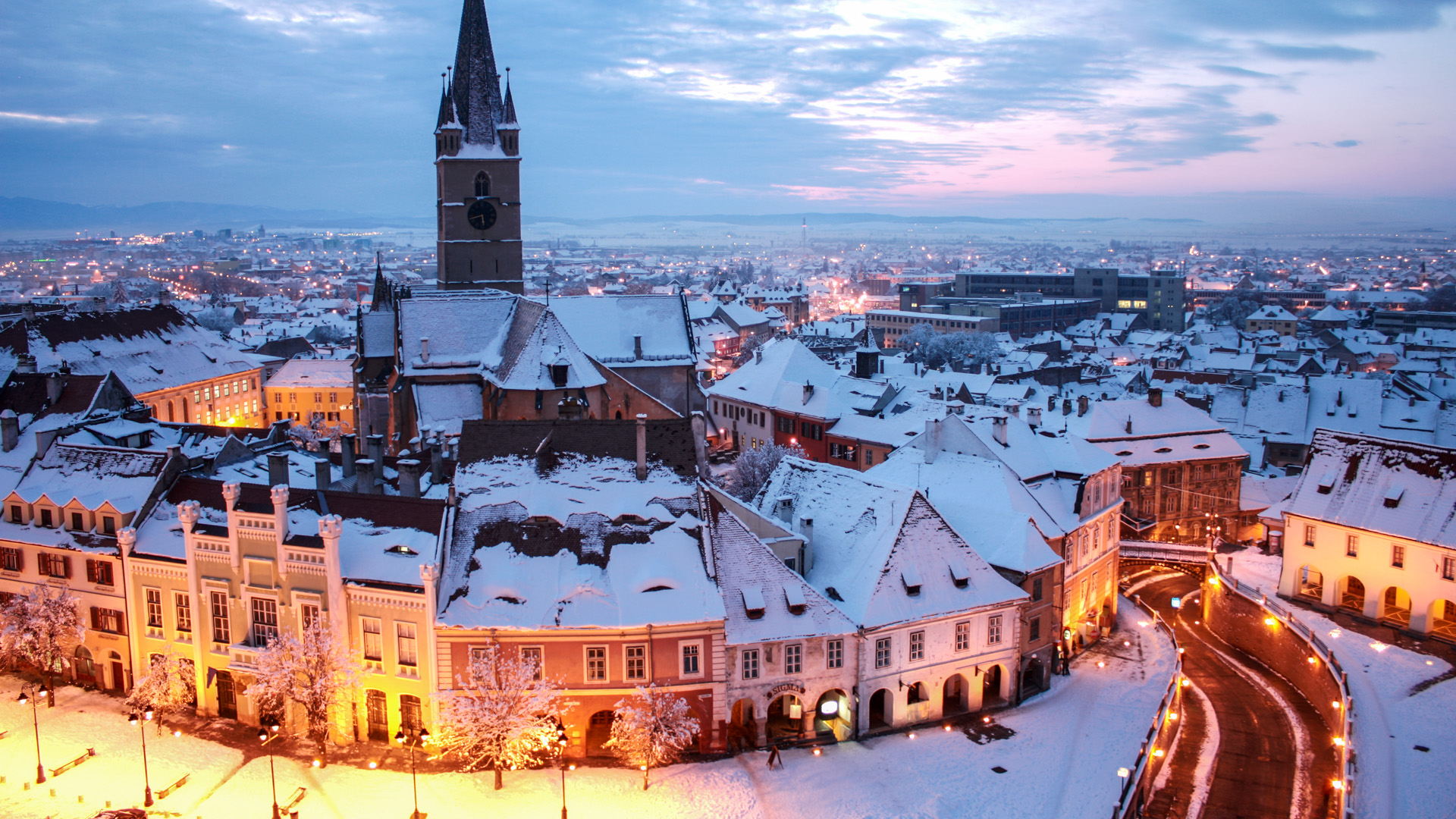
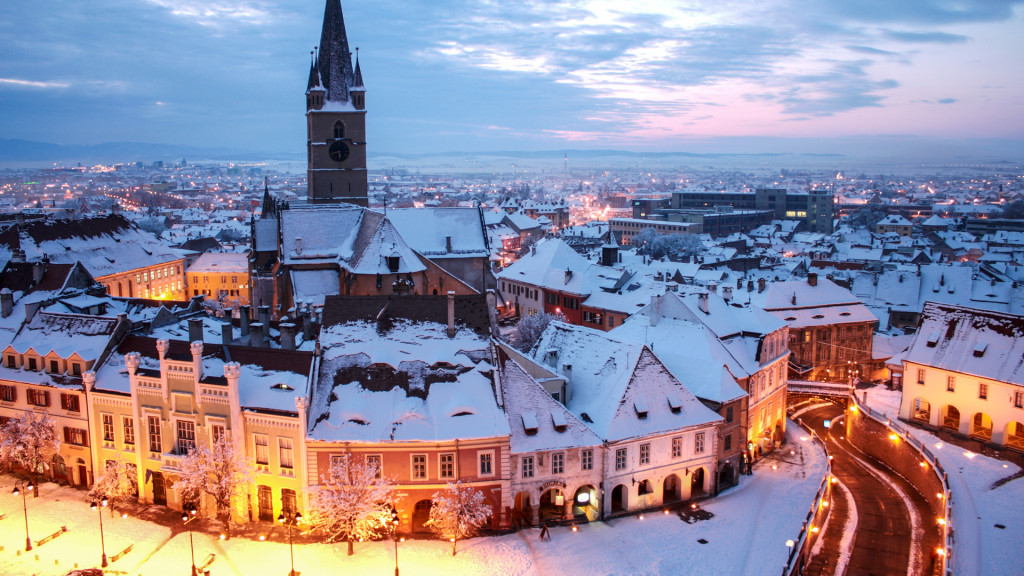
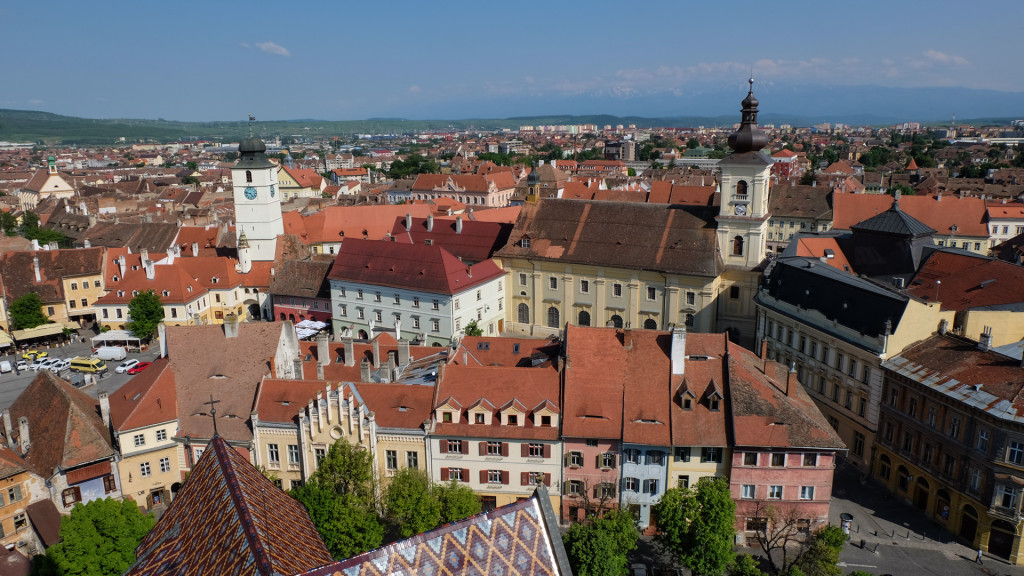
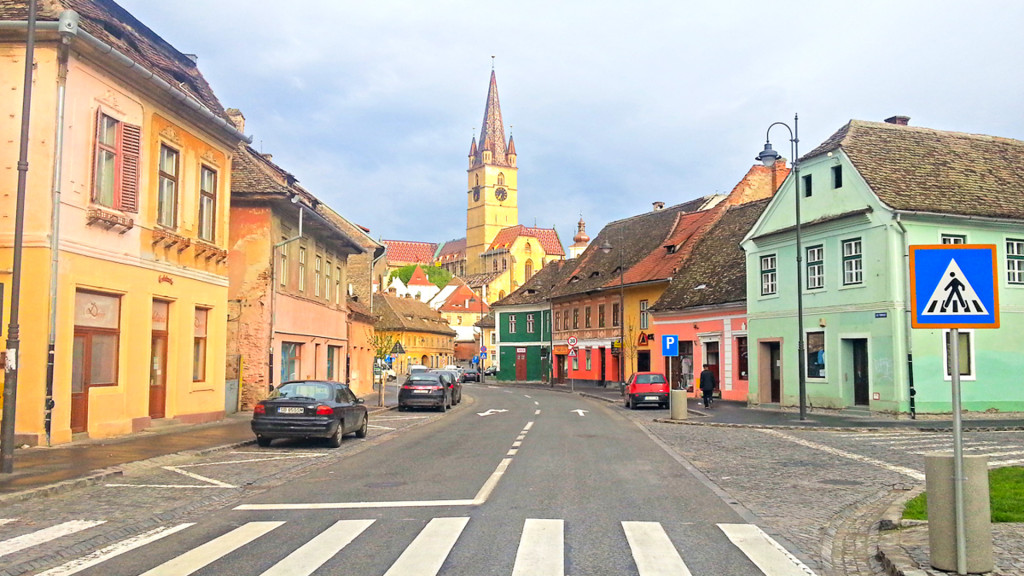
Begin the day with a walking tour of Sibiu’s Old Town. Sibiu is one of the most important fortified towns in Transylvania and was founded in 1190. It later became the main city of the Transylvanian Saxons.
The old town includes the Big Square, the Small Square, the Ursuline Church, the Franciscan Church, the Staircase Tower, the Tanners’ Tower, the Liars’ Bridge, the House of the Butchers’ Guild and the Brukenthal Museum.
An optional visit can be made to the Brukenthal Museum, the oldest museum in Romania, known for its collection of paintings, antiques, coins and rare books.
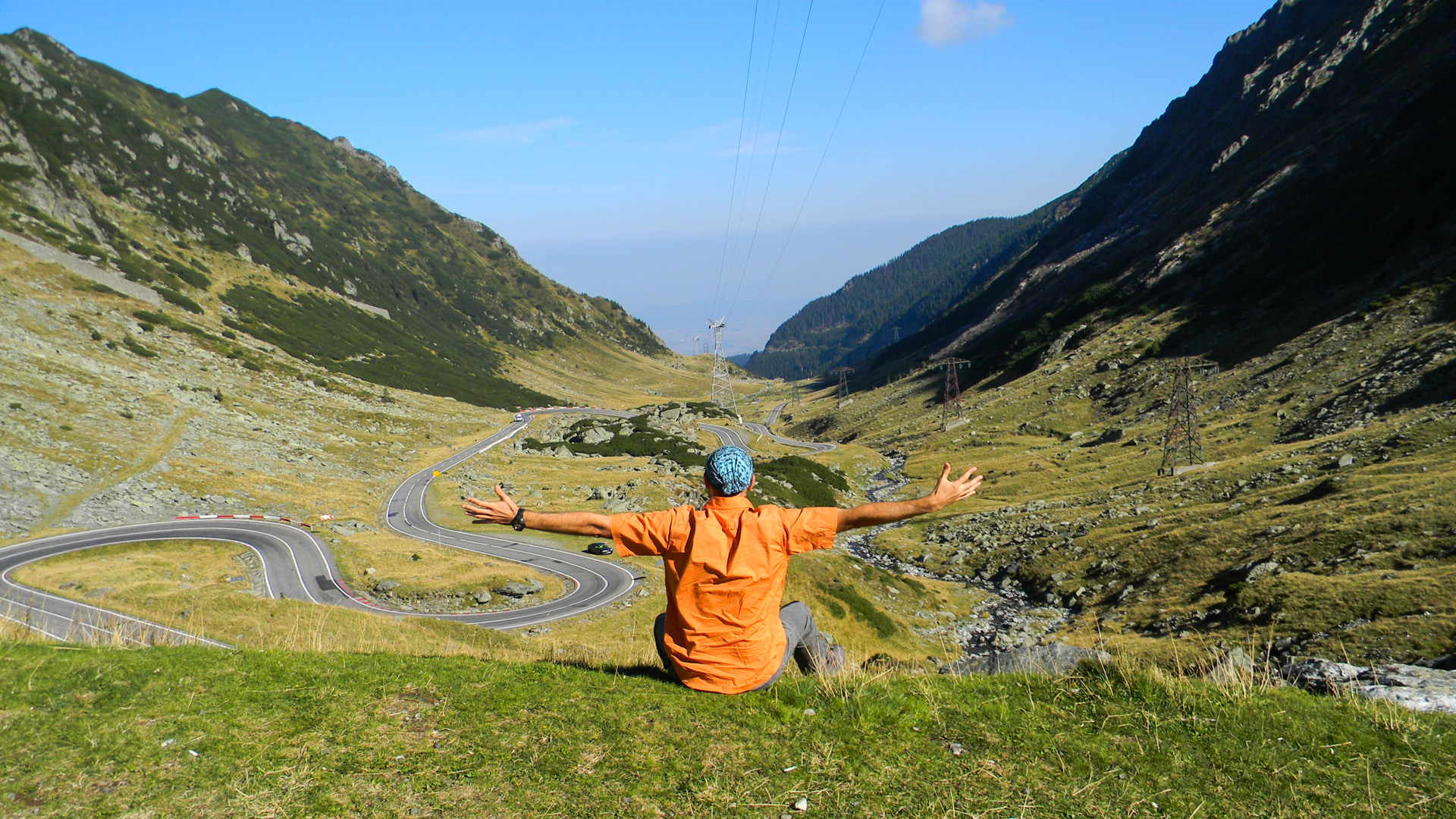
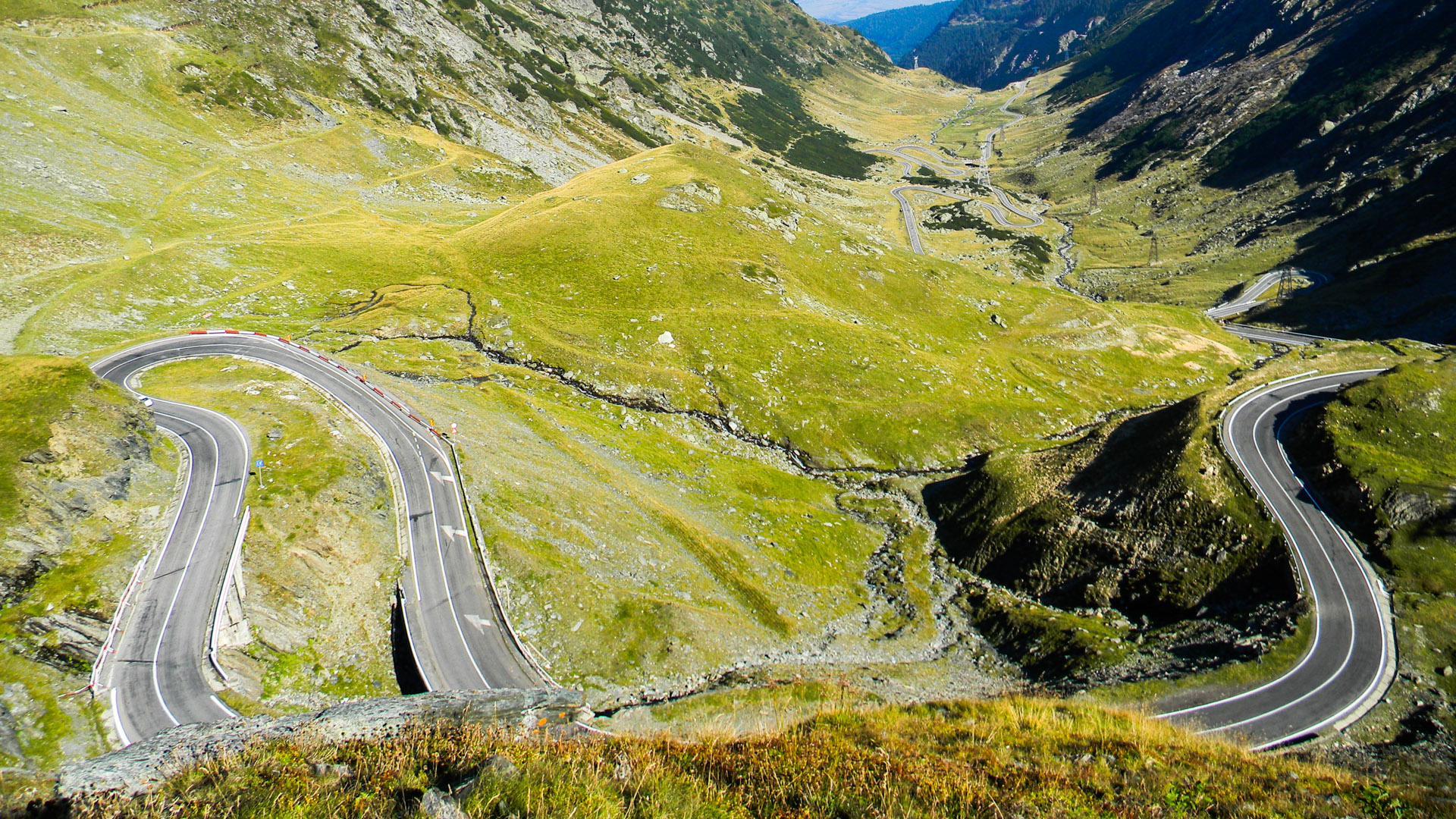
From July to September, the route can continue along the Transfăgărășan scenic road, one of the most spectacular mountain roads in Europe. Along this route, you can also see one of the places connected with the historical figure Vlad the Impaler.
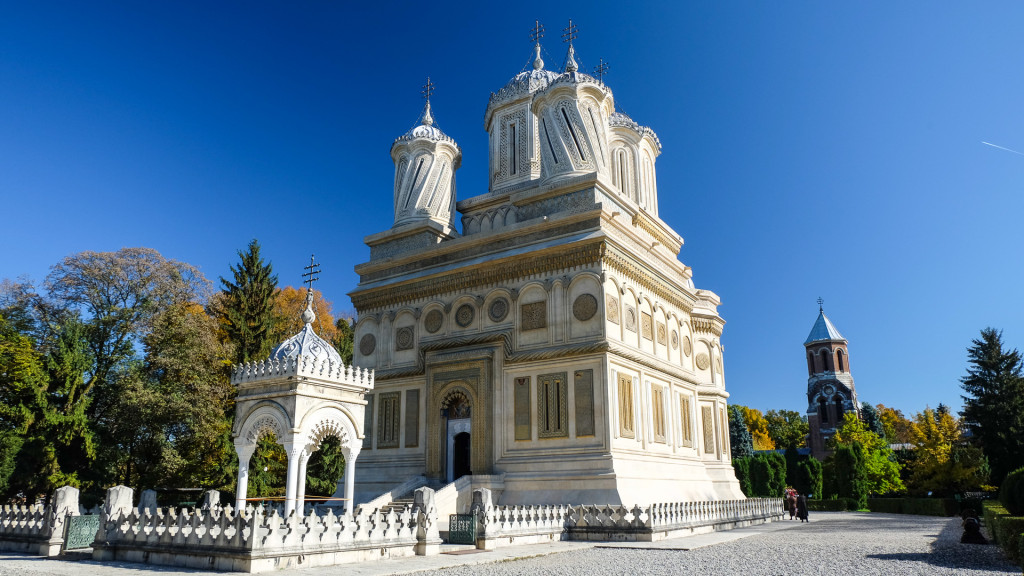
Continue to Curtea de Argeș, the first capital of Wallachia. Here you will visit the old Princely Court and Curtea de Argeș Monastery, the burial place of three of the four Romanian kings from the Hohenzollern dynasty.
Drive to Bucharest.
End of tour services.
Why Choose This Grand Tour of Romania?
This itinerary offers a broad and balanced introduction to Romania. It includes the capital city, royal castles, medieval Transylvanian towns, traditional villages, painted monasteries, wooden architecture, mountain landscapes and important historical sites.
The route is suitable for travelers who want to understand Romania through its regions, architecture, landscapes and local traditions, not only through its most famous landmarks.
Request More Information
For details about availability, accommodation, included services, optional visits and pricing, please contact us. We can provide the full tour conditions and help you decide whether this 10-day Grand Tour of Romania is the right itinerary for your trip.
We can transfer you to the airport or take one day trip to Bulgaria Countryside
_________________________________
Here are some ideas to have a tour of Romania and Bulgaria.
Visit Bulgaria from Bucharest with our 3 day tour.
Tryour visit Bulgaria and Romania summer tour of 5 days.
What’s included
Key facts
FROM
€1800.00
Select the number of people to see the final price
Total
€1800.00
See more tours..
6 days, 6 nights
English

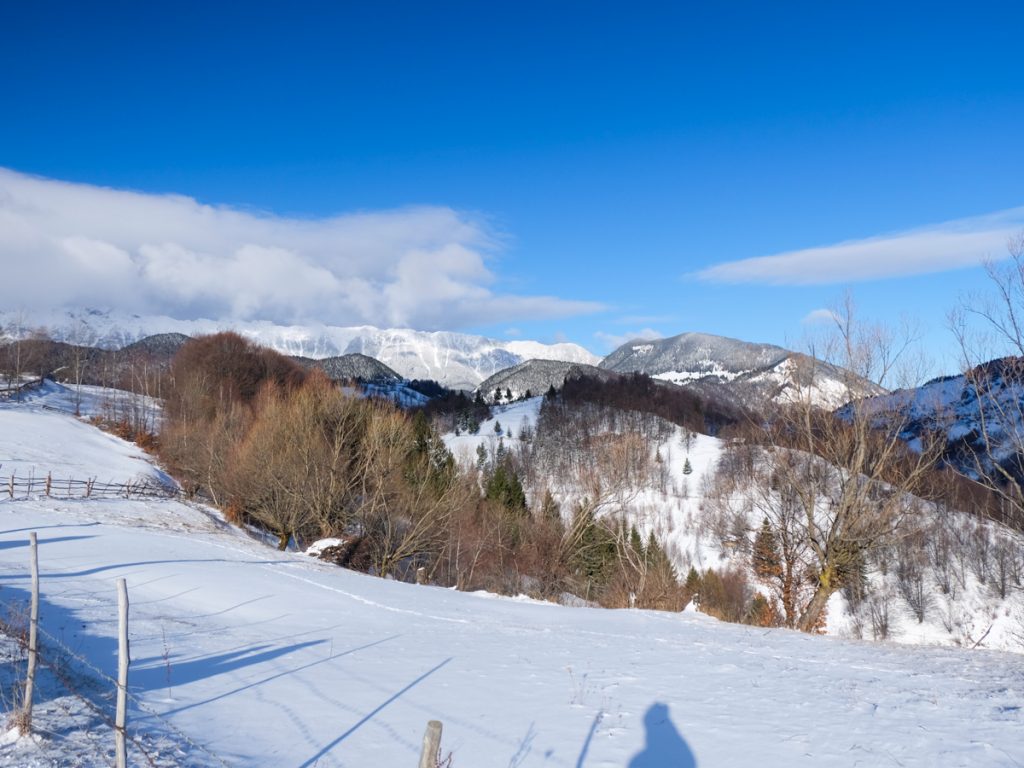
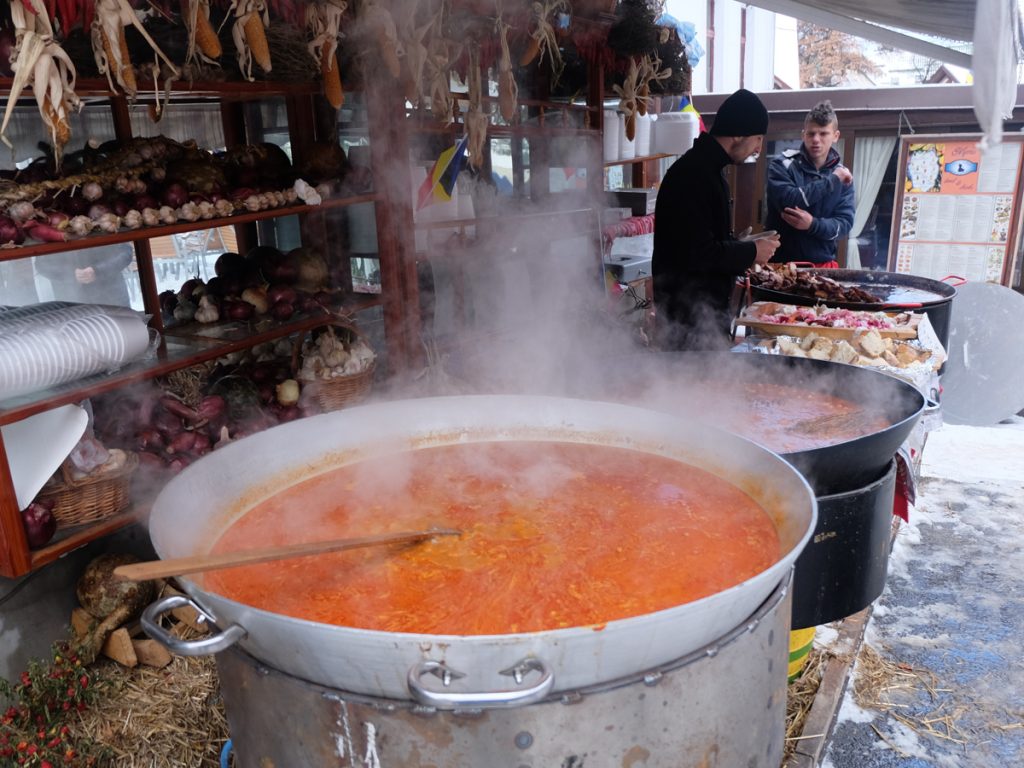
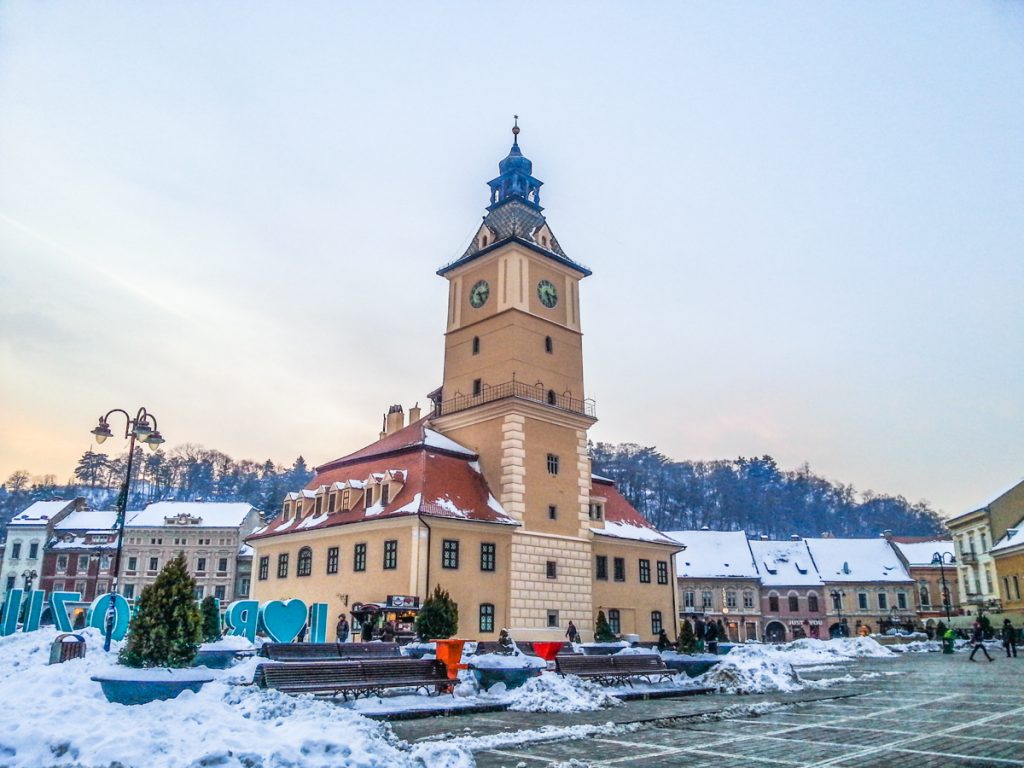
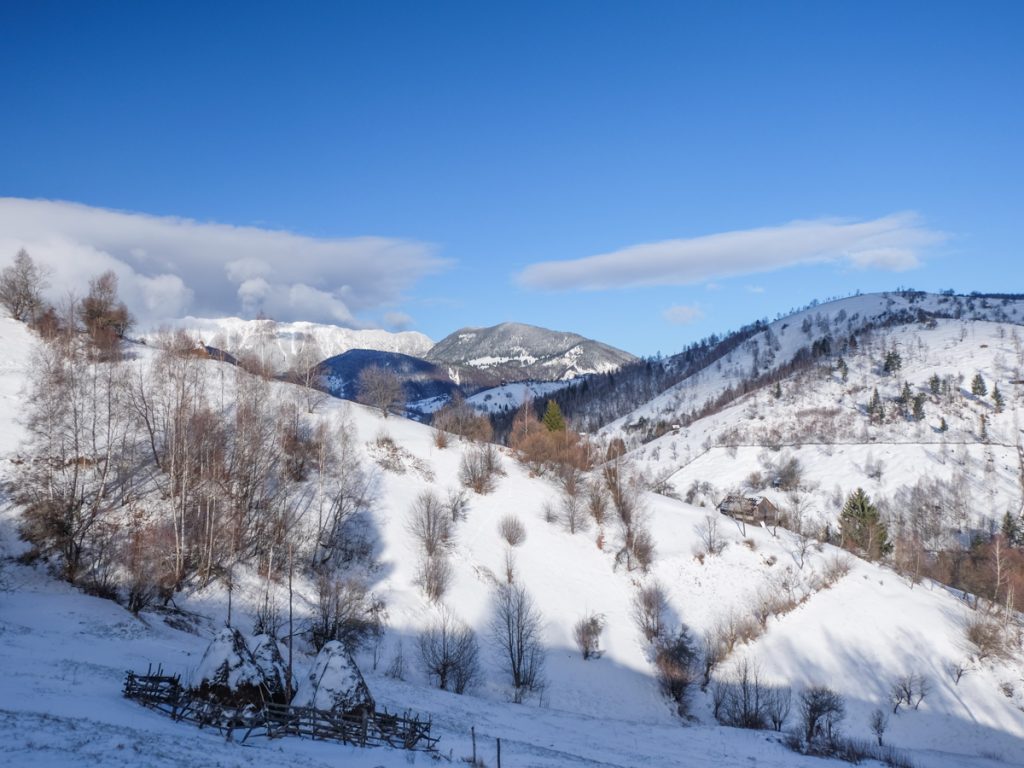
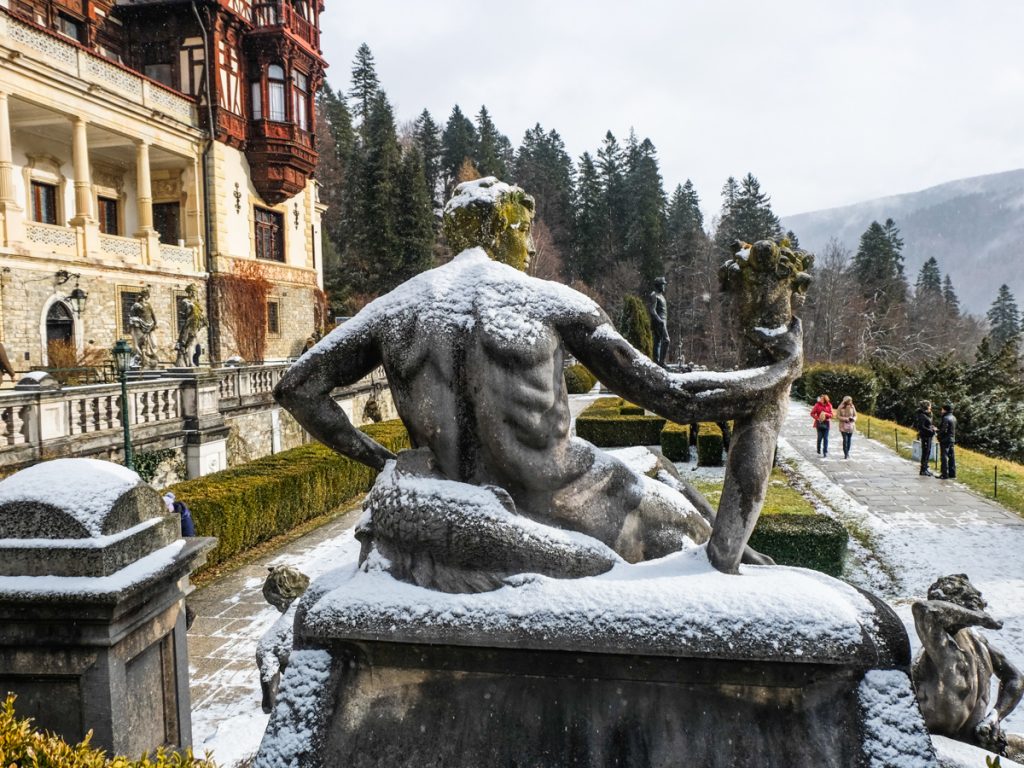
Winter in Romania is a wonderful time to...
FROM
€1250.00
12 days/ 11 nights
English
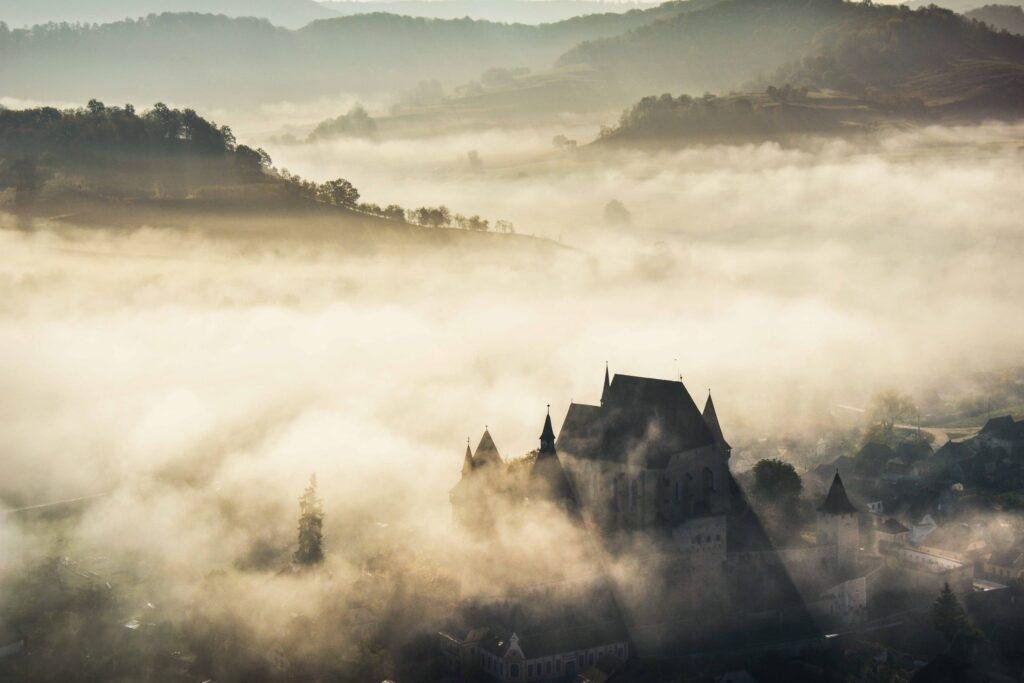
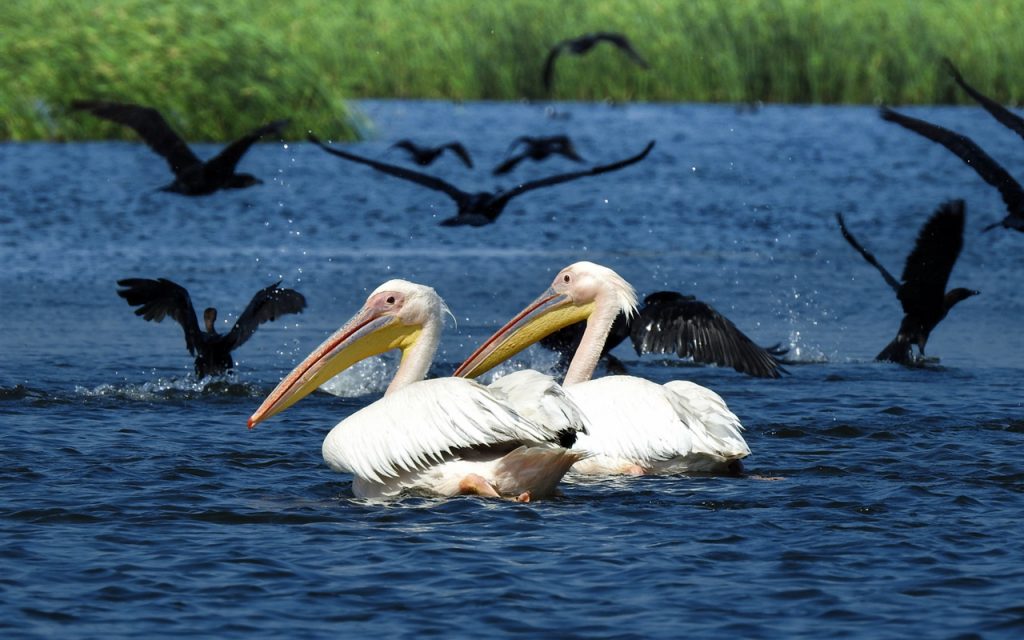
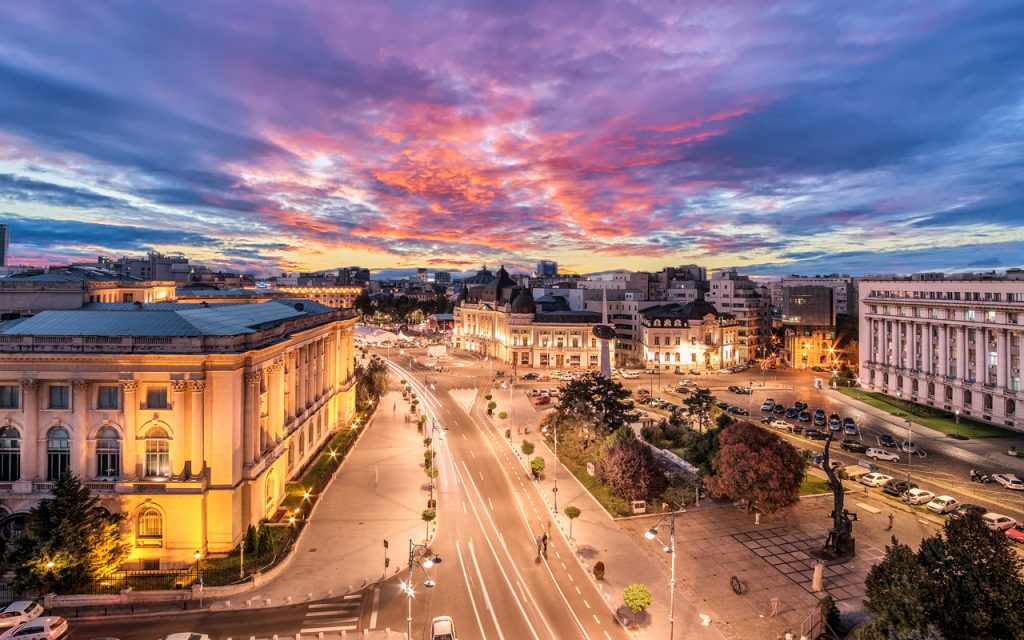
The culture and history of Romania trough a...
FROM
€2250.00
6 days/5 nights
English
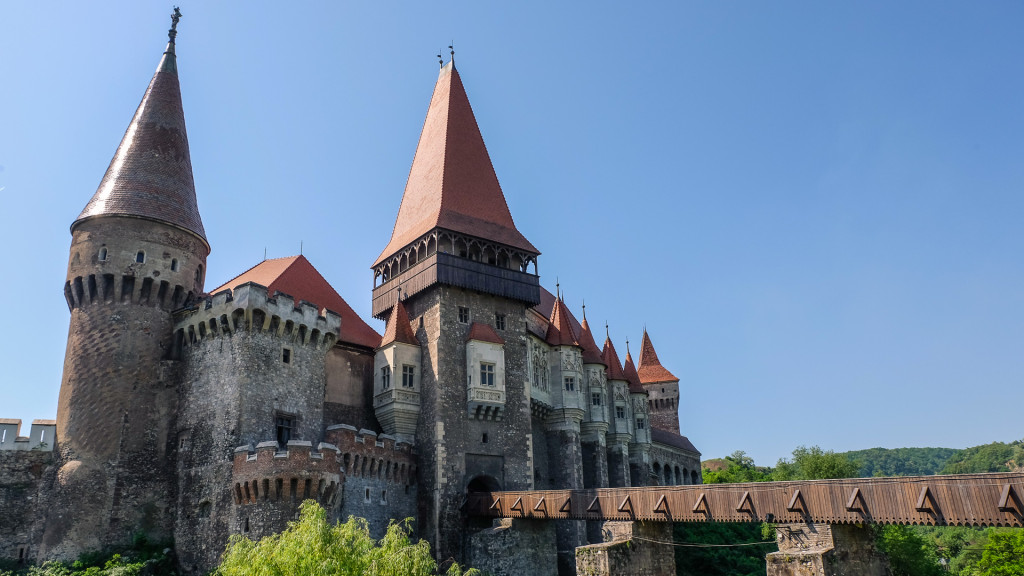
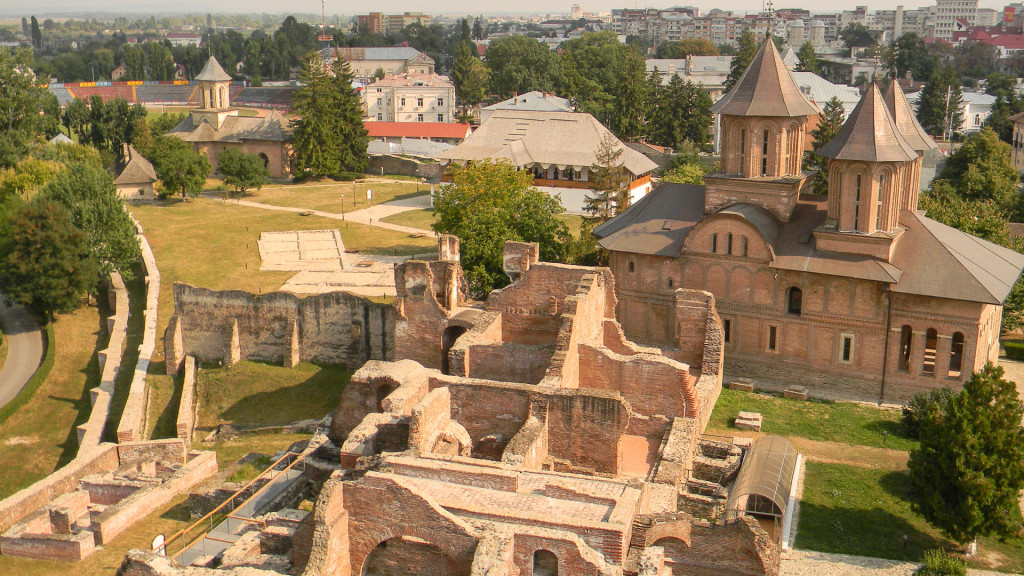
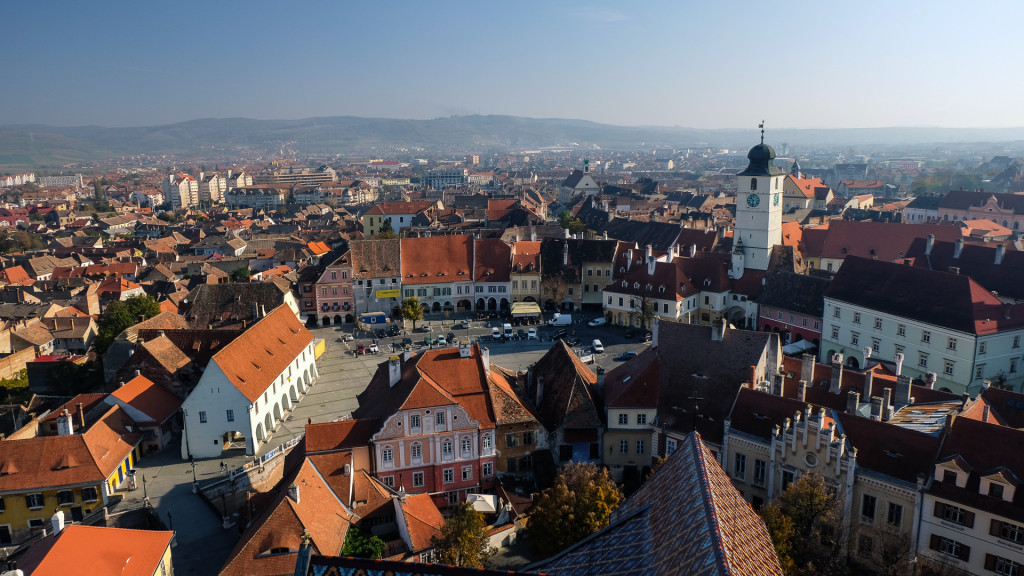
Real Dracula Tour takes you to Transylvania castles...
FROM
€1050.00
EXCELLENT Based on 107 reviews
 Posted on Tripadvisor
 Glosdude RExcellent tour around Romania visiting Transylvania and the painted monasteries in Bucovina I had a great time on a private tour during November, which was booked at extremely short notice. Ion did an amazing job putting together the tour within 24 hours, and we started the trip only a couple of days after enquiring which was amazing! His communication was really fast, clear and helpful, and our driver/guide Florin was great - both ensured we had a wonderful time in Romania. The choice of accommodation was brilliant, varying from modern hotels to centuries-old period properties. I would thoroughly recommend contacting Romania Tour Store for anyone looking to travel in Romania with a friendly, reliable and trustworthy local company.Posted on Tripadvisor
 Romy16205What an amazing trip! From beginning to end, Ion was absolutely fantastic. We spent 11 days with him traveling Bulgaria and Romania, and I have to say—he covered every single detail. He was incredibly accommodating, taking into account our preferences, offering helpful suggestions, and always finding the best dining spots.Before the trip even began, Ion was efficient and thorough, providing us with several itinerary options to ensure we could visit all the places we were interested in. Believe me when I say, my husband is a very difficult traveler—but Ion made everything so easy and fun that, by the end, they were like best friends!We had a passport mishap, leaving them behind in Bulgaria, and as soon as we arrived in Romania and realized, Ion immediately jumped into action. He contacted the hotel and made sure the issue was resolved quickly and smoothly.One of the highlights of the trip was being welcomed into Ion and his wife’s home, where they prepared a delicious homemade meal for us. It was a fantastic evening, full of authenticity and warmth—we truly felt like family.Ion also helped us find the best hotels for our stay and coordinated the entire trip from start to finish. At every attraction we visited, he was knowledgeable and provided detailed explanations, adding so much value to the experience.I highly recommend Romania Tour Store if you're planning a trip to Romania and Bulgaria. And if you’re not already planning to visit these two beautiful countries—please reconsider! They’re full of charm, culture, and unforgettable experiences.Thank you, Ion and Romania Tour Store, for making this one of our best vacations ever.Posted on Tripadvisor
 Adrian HIt very nice tour, we started 08:00 in Sibiu and drove towards Sarmizegetusa, afterwards there was a lot of interesting information about Dacia. Afterwards we went towards Hunedoara to visit the very beautiful castle there. Finally to Alba Iulia to see the citadel (star), including the churches and the history behind it. Also very interesting the story of Hunyadi. Highly recommended, the guide was very nice and everything was relaxed. VGPosted on Tripadvisor
 Tammy CIMPRESSIVE TRIP in ROMANIA with PASSIONATED Guide Excellent services provided with Ion’s passion!His outgoing personality brought laughing and fun to the group. His knowledge and presentation of each visiting places were impressive and full of historical information.Posted on Tripadvisor
 Lalit JhaFantastic and simply the best! Ion Dima/the guide is the best one till date I cam across in Europe as I explored most of the countries in Europe.Ion Dima of Romania Tour Store is very knowledgeable guy and simply the best! He designed our itinerary to suit our interest, weather and available time. He is very friendly to kids and adult as well. He has highest level of patient and at the same time he is professional.I would say if someone want to explore Romania then Ion is the best guy and you can believe him for any and everything.He has suggested the Hotels and Restaurants during our tours which was the best as per our budget and interest. During the complete tour he was as our family member and friend.Salut and thank you Ion for everything!Posted on Tripadvisor
 Mary ATour with Ion Ion was terrific, a very kind guy, and he was very patient with us; he took us to incredible places. He changed the plan for us because it was Christmas's second day, and most of the tourist places were closed, so he suggested places for us, and we had so much fun together.Posted on Tripadvisor
 Ardelean MExcellent tour guide Ion Dima is an excellent tour guide. Well organised and ready to help his group in any situation. I recommend him 100%.Posted on Tripadvisor
 JIT_12Ion Dima...a great tour guide! This review is very tardy due to the situation in the world from January 2020 until now. I was so fortunate to have found Ion Dima during my planning of a visit to Romania which was during the summer of 2019.( I had to enter 12/21 in the description since that was the oldest date available.) I had several days to fill in with a visit to important points of interest in Romania before I joined a group in Bucharest. The group and I were heading into Moldova, Transnistria, and Ukraine. We were only doing the Danube Delta down on the Black Sea and I didn't want to miss seeing something of Romania. Well, Ion designed a terrific tour for me that was very complete! He speaks perfect English and was very considerate and great fun to be around. I highly reccommend arranging a tour with Ion...he's the best!!Posted on Tripadvisor
 DollyBirdScotlandBespoke service We are just back from an extended tour of Romania with Romania Tour Stores. It's a bespoke travel company which specialises in private tours for culture vultures. From Bucharest's Belle Epoq architecture we travelled to the cultural centre of Iasi, the painted monasteries of Moldavia, and through the fortified Saxon churches and towns of Transylvania. Finally, we arrived in the stunning city of Brasov in the Carpathians where the Austro-Hungarian influence sits on the edge of Wallachia and Byzantium. Grand hotels and traditional wooden cabins. Each day felt like being in a different age or country. A superbly organised tour of this fascinating country. We are planning a return visit next year.Verified by TrustindexTrustindex verified badge is the Universal Symbol of Trust. Only the greatest companies can get the verified badge who has a review score above 4.5, based on customer reviews over the past 12 months. Read more