Romania, a country known for its rich history, stunning landscapes, and diverse cultural heritage, boasts a multitude of attractions that captivate the hearts of travelers. Among its numerous treasures, the Iron Gates (Portile de Fier) stand out as a remarkable natural and historical landmark. This article aims to provide a detailed guide for tourists who have never visited Romania, offering insights into the best times to visit, nearby attractions, historical context, travel tips, accommodations, and seasonal activities. By the end of this guide, you’ll be well-prepared to embark on an unforgettable journey to the Iron Gates, or maybe ask for our guides to take you to this beautiful place !
Introduction to the Iron Gates of Romania
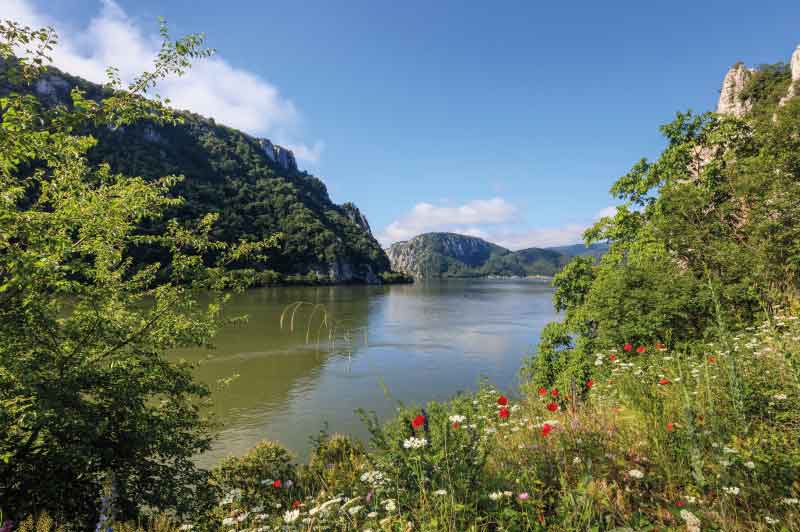
The Iron Gates is a spectacular gorge on the Danube River, forming part of the boundary between Romania and Serbia. This natural wonder stretches for about 134 kilometers, creating a dramatic landscape of towering cliffs, lush forests, and crystal-clear waters. The name “Iron Gates” refers to the treacherous, narrow gorges that historically posed a challenge for navigation on the Danube.
What is the best time to visit
The best time to visit the Iron Gates largely depends on your preferences for weather and activities. Generally, the most favorable periods are spring (April to June) and autumn (September to October). During these months, the weather is mild, and the landscape is vibrant with blooming flowers or colorful autumn foliage. Summer (July to August) is also popular, especially for water activities and boat tours, although it can get quite hot. Winter (December to February) offers a unique charm, with the possibility of snow-covered landscapes, but some outdoor activities may be limited.
Main Attractions Around the Iron Gates
a. Iron Gates Natural Park
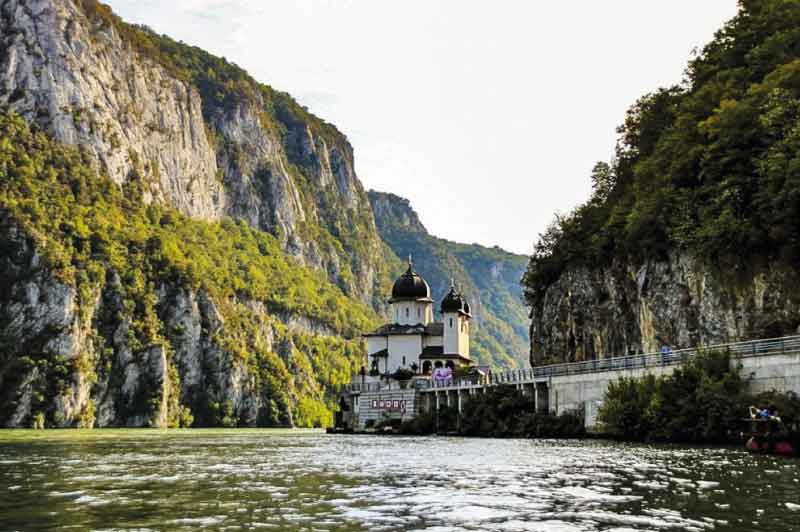
One of the main attractions in the area is the Iron Gates Natural Park, a protected area that covers parts of Mehedinți and Caraș-Severin counties in Romania. The park is a haven for nature lovers, offering hiking trails, wildlife watching, and breathtaking viewpoints. Notable spots within the park include the Cazanele Dunării (Danube Boilers) and the Veterani Cave.
b. Tabula Traiana
On the Serbian side of the river, near the town of Kladovo, you’ll find the Tabula Traiana, an ancient Roman memorial plaque. It commemorates the construction of a military road by Emperor Trajan in the early 2nd century AD. The plaque is a fascinating historical artifact and a reminder of the Roman Empire’s influence in the region.
c. Decebalus’ Statue
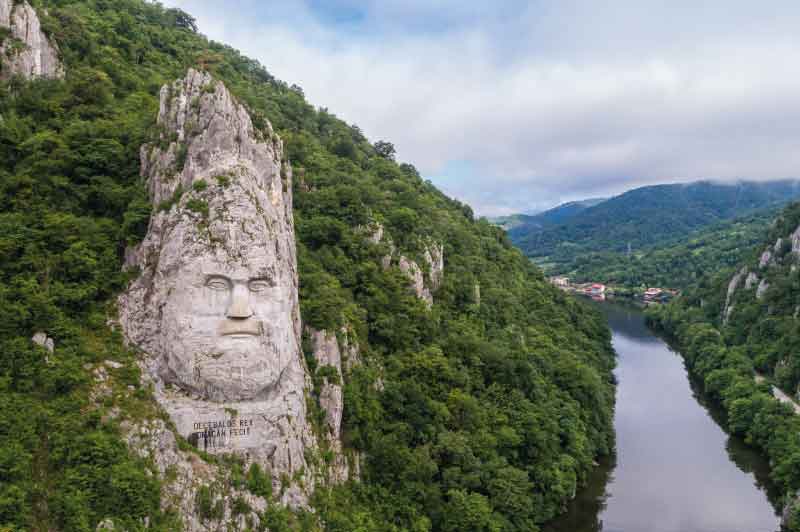
Carved into the rocky cliffs on the Romanian side of the Danube, the statue of Decebalus, the last king of Dacia, is an impressive sight. Standing at 40 meters tall, it is the tallest rock sculpture in Europe. This modern tribute to a historic figure adds a dramatic touch to the landscape and offers a great photo opportunity.
d. Trajan’s Bridge
Though only remnants remain today, Trajan’s Bridge was once a marvel of Roman engineering. Built in the early 2nd century AD by Apollodorus of Damascus, it spanned the Danube and connected the provinces of Moesia and Dacia. Visitors can explore the remains and imagine the grandeur of this ancient structure.
e. Orșova and Drobeta-Turnu Severin
These two towns serve as excellent bases for exploring the Iron Gates region. Orșova, situated at the confluence of the Cerna and Danube rivers, offers picturesque views and a charming waterfront. Drobeta-Turnu Severin, a larger town, boasts historical attractions such as the ruins of the Roman camp Drobeta and the Severin Fortress.
Historical and Political Background
The Iron Gates have a rich and complex history that dates back thousands of years. The region has witnessed the rise and fall of various empires, including the Roman, Byzantine, Ottoman, and Austro-Hungarian Empires. The strategic importance of the Iron Gates as a natural barrier and transportation route has made it a focal point for military and political conflicts throughout history.
a. Ancient Times
In ancient times, the Iron Gates were a significant obstacle for navigation on the Danube. The Romans, under Emperor Trajan, undertook extensive engineering projects to improve river navigation and facilitate military campaigns in Dacia (modern-day Romania). The construction of Trajan’s Bridge and the Tabula Traiana are testaments to these efforts.
b. Medieval Period
During the medieval period, the region was contested by various powers, including the Byzantine Empire, the Kingdom of Hungary, and the Ottoman Empire. The Iron Gates served as a crucial frontier, with numerous fortifications and watchtowers built to control the passage along the river.
c. Modern Era
In the 19th and 20th centuries, the Iron Gates region became a focal point of industrial and infrastructural development. The construction of the Iron Gate I Hydroelectric Power Station, a joint project between Romania and Yugoslavia (now Serbia), was a significant milestone. Completed in 1972, it created one of the largest hydroelectric dams on the Danube and significantly altered the landscape.
How to Get There
a. By Air
The nearest major airports to the Iron Gates are in Bucharest (Henri Coandă International Airport) and Timișoara (Traian Vuia International Airport). From these airports, you can either rent a car or take a train or bus to reach the Iron Gates region.
b. By Train
Romania’s rail network connects major cities to the Iron Gates region. You can take a train from Bucharest or Timișoara to Drobeta-Turnu Severin, which is a convenient base for exploring the area. The train journey offers scenic views of the Romanian countryside.
c. By Car
Renting a car is one of the most convenient ways to explore the Iron Gates. The drive from Bucharest to Drobeta-Turnu Severin takes approximately 4-5 hours, while the journey from Timișoara takes around 3 hours. Having a car gives you the flexibility to explore the region at your own pace.
d. By Bus
Several bus companies operate routes from major Romanian cities to Drobeta-Turnu Severin and Orșova. Buses are an affordable option, though travel times can be longer compared to driving or taking the train.
Accommodation Options
a. Hotels
Both Drobeta-Turnu Severin and Orșova offer a range of hotels catering to different budgets. From luxury hotels with river views to budget-friendly options, you can find suitable accommodations for your stay. Some popular hotels include Hotel Traian and Continental Drobeta-Turnu Severin.
b. Guesthouses
For a more intimate and local experience, consider staying at a guesthouse or bed and breakfast. Many guesthouses in the Iron Gates region offer comfortable accommodations, home-cooked meals, and personalized service. Pensiunea Septembrie in Dubova and Pensiunea Mraconia in Eșelnița are highly recommended.
c. Camping
If you enjoy outdoor adventures, camping is a great option. The Iron Gates Natural Park has designated camping areas where you can set up your tent and immerse yourself in nature. Camping allows you to experience the beauty of the region up close and is ideal for hikers and nature enthusiasts.
Activities in the Iron Gates Region
Summer Activities
a. Boat Tours
One of the most popular activities in the summer is taking a boat tour on the Danube. These tours offer stunning views of the Iron Gates gorge, the Decebalus statue, and other landmarks. You can choose from guided tours or rent a private boat for a more personalized experience.
b. Hiking and Nature Walks
The Iron Gates Natural Park boasts numerous hiking trails that cater to different skill levels. Whether you’re an experienced hiker or a casual walker, you can explore the park’s diverse landscapes, from dense forests to rocky cliffs. Popular trails include the route to Ciucaru Mare and Ciucaru Mic.
c. Wildlife Watching
The Iron Gates region is home to a rich variety of wildlife, including birds, mammals, and reptiles. Birdwatchers will be delighted by the numerous species that inhabit the area, such as the white-tailed eagle and the Eurasian sparrowhawk. Guided wildlife tours are available for those interested in learning more about the local fauna.
d. Fishing
Fishing enthusiasts can enjoy the abundant fishing opportunities on the Danube and its tributaries. The river is home to various fish species, including catfish, carp, and pike. Make sure to check local regulations and obtain any necessary permits before fishing.
e. Cycling
Cycling is a fantastic way to explore the scenic roads and trails of the Iron Gates region. You can rent a bike in Drobeta-Turnu Severin or Orșova and embark on a cycling adventure along the Danube or through the natural park.
Winter Activities
a. Winter Hiking
While some trails may be challenging in winter, many remain accessible for winter hiking. The snow-covered landscapes create a magical atmosphere, and with proper gear, you can enjoy the tranquility and beauty of the season.
b. Photography
Winter offers unique photographic opportunities in the Iron Gates region. The contrast of snow against the rugged cliffs and the frozen Danube creates stunning visuals. Whether you’re a professional photographer or an amateur, you’ll find plenty of subjects to capture.
c. Local Festivals and Traditions
Winter is a time for local festivals and traditions in Romania. Visiting the Iron Gates region during the winter months allows you to experience Romanian cultural events, such as Christmas markets and traditional celebrations. These events provide insight into local customs and offer a chance to interact with the community.
Practical Tips for Tourists
a. Language
While Romanian is the official language, many people in the tourist areas speak English. Learning a few basic Romanian phrases can enhance your experience and help you connect with locals.
b. Currency
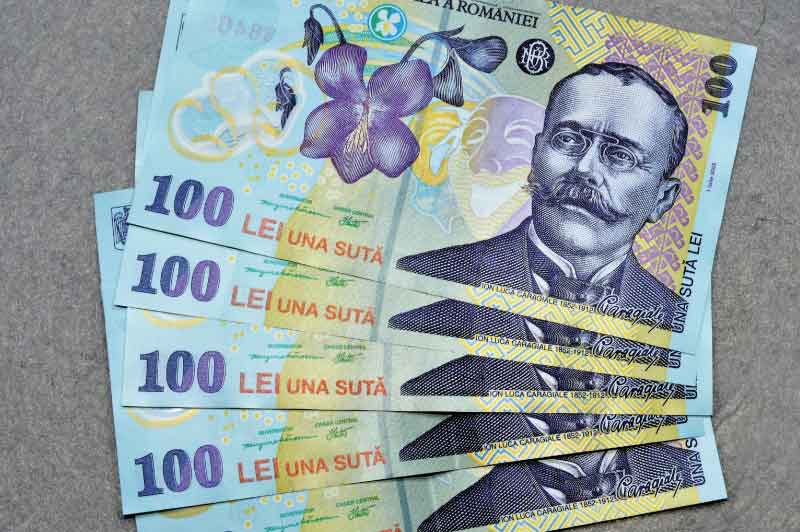
The official currency in Romania is the Romanian Leu (RON). Credit cards are widely accepted, but it’s advisable to carry some cash for smaller establishments and rural areas.
c. Safety
Romania is generally a safe country for tourists. However, it’s always wise to take standard precautions, such as keeping an eye on your belongings and avoiding poorly lit areas at night.
d. Local Cuisine
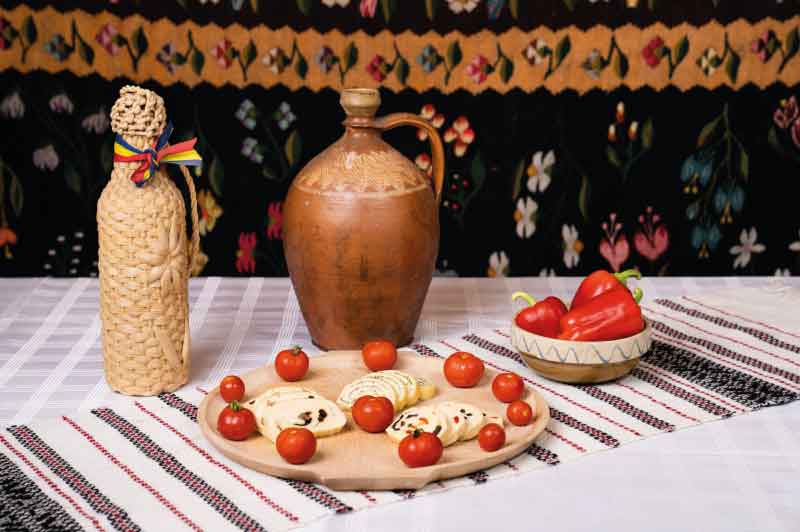
Don’t miss the opportunity to try traditional Romanian dishes. The Iron Gates region offers a variety of culinary delights, including fresh fish from the Danube, sarmale (cabbage rolls), and mămăligă (cornmeal porridge). Pair your meal with local wines for a complete gastronomic experience.
Conclusion
The Iron Gates of Romania is a destination that seamlessly blends natural beauty, rich history, and cultural heritage. Whether you’re seeking adventure, relaxation, or a deep dive into history, this region has something to offer every traveler. From the awe-inspiring landscapes of the Iron Gates Natural Park to the historical remnants of the Roman Empire, the Iron Gates provide a unique and unforgettable experience.
Plan your visit according to your interests and the season, and immerse yourself in the stunning scenery and vibrant culture of this remarkable part of Romania. With proper preparation and an open heart, your journey to the Iron Gates will be a highlight of your travels, leaving you with cherished memories and a deeper appreciation for the beauty and history of Romania.
If you plan on visiting Romania, have a look at our tour catalog here.