Vlad the Impaler, also known as Vlad III or Vlad Dracula, was a medieval ruler of Wallachia, a region located in actual Romania. While he is often associated with the character of Dracula in Bram Stoker’s novel, his death was not shrouded in mystery or legend. learn his life, and who killed Vlad the impaler !
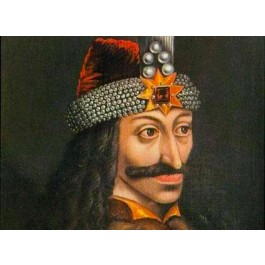
Where lived Vlad the impaler ?
Vlad the Impaler, also known as Vlad III or Vlad Dracula, lived primarily in Wallachia, a region in what is now Romania. He was born in Sighișoara, a town in Transylvania, around 1431. However, he spent much of his life in Wallachia, where he ruled as voivode (prince) on multiple occasions.
Vlad’s reign was characterized by his efforts to defend Wallachia from various enemies, including the Ottoman Empire. His residence and seat of power would have been in various fortresses and castles within Wallachia, including the royal court in Târgoviște. He also utilized other strategic locations for military purposes throughout his campaigns. While he is often associated with Transylvania due to his birthplace and the association with Dracula, his deeds and rule were predominantly centered in Wallachia.
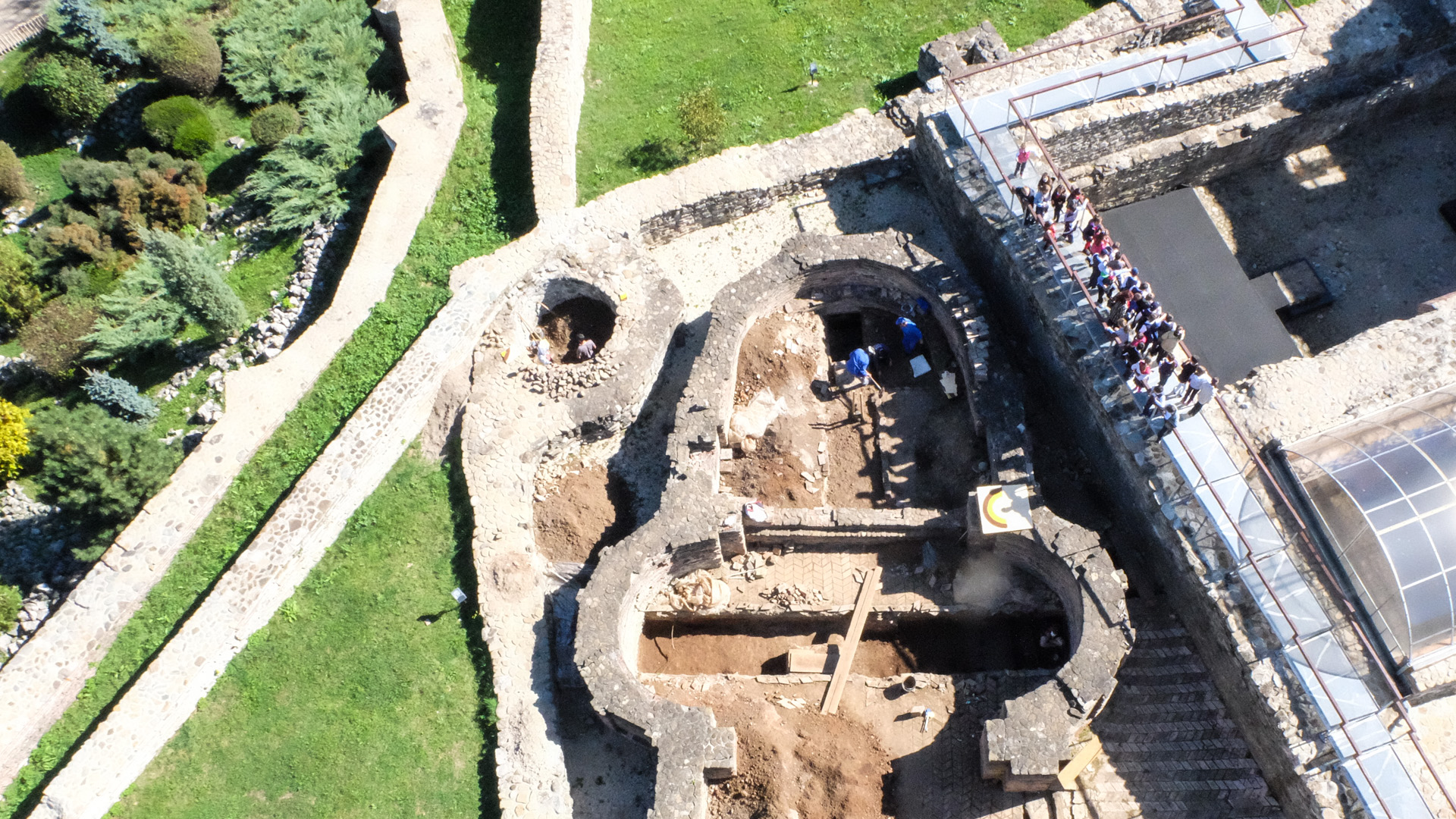
Vlad the Impaler is nowadays associated with several castles and fortresses in Wallachia, Romania. Some of the notable ones include:
- Poenari Castle: This is perhaps the most famous castle associated with Vlad the Impaler. Located near the Făgăraș Mountains, Poenari Castle was one of Vlad’s main fortresses and served as a stronghold during his reign. It is said that Vlad ordered its reconstruction and expansion, making it a formidable defensive structure.
- Târgoviște: While not a traditional castle, Târgoviște was the capital of Wallachia during Vlad’s reign, and he would have had a royal court and residence there. The Princely Court of Târgoviște was where Vlad conducted much of his administrative and political affairs.
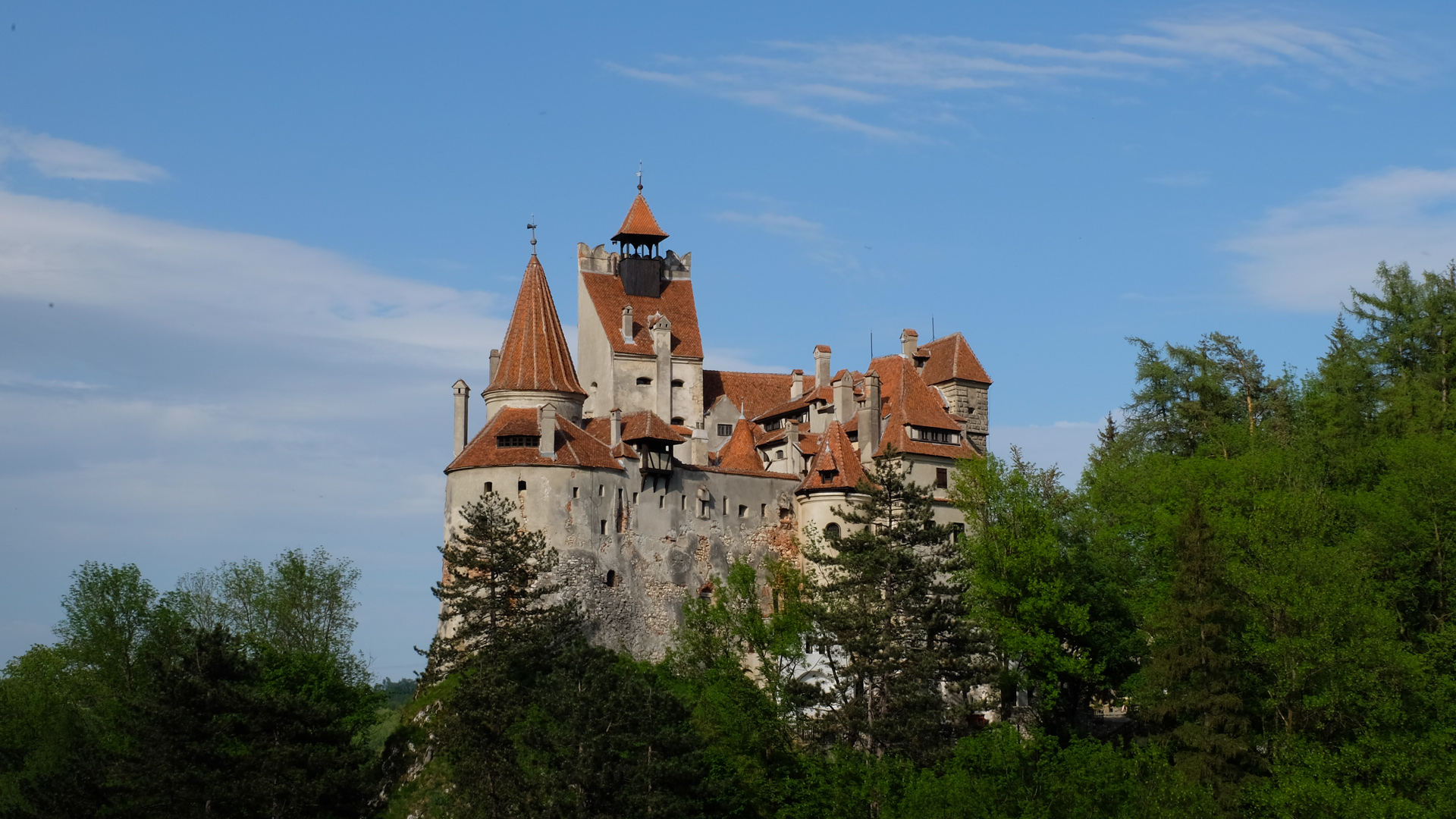
- Bran Castle: Also known as Dracula’s Castle, Bran Castle is often associated with Vlad the Impaler due to its connection to the Dracula legend. However, there is little evidence to suggest that Vlad actually lived in or owned the castle. Nonetheless, it is a popular tourist destination and is linked to the Dracula mythos.
While these are some of the castles associated with Vlad the Impaler, it’s important to note that the historical record regarding his specific ownership or residence in these locations can be somewhat ambiguous. Nevertheless, these castles are significant in understanding the context of his reign and legacy.
Who were Vlad the impaler’s enemies ?
Vlad the Impaler’s accomplishments and actions are often viewed through different lenses, depending on cultural, historical, and regional perspectives. Here are some notable aspects of Vlad the Impaler’s legacy:
- Defense Against Ottoman Expansion: Vlad is celebrated in some circles for his efforts to defend Wallachia against the expansion of the Ottoman Empire. He engaged in multiple military campaigns against the Ottomans and employed guerrilla warfare tactics to resist their advances. His fierce resistance earned him a reputation as a defender of Christian Europe.Thus, one of Vlad’s primary adversaries was the Ottoman Empire, which posed a significant threat to Wallachia. Vlad engaged in multiple military campaigns against the Ottomans and sought to resist their expansion into his principality. His fierce resistance earned him a reputation as a formidable opponent of Ottoman rule.
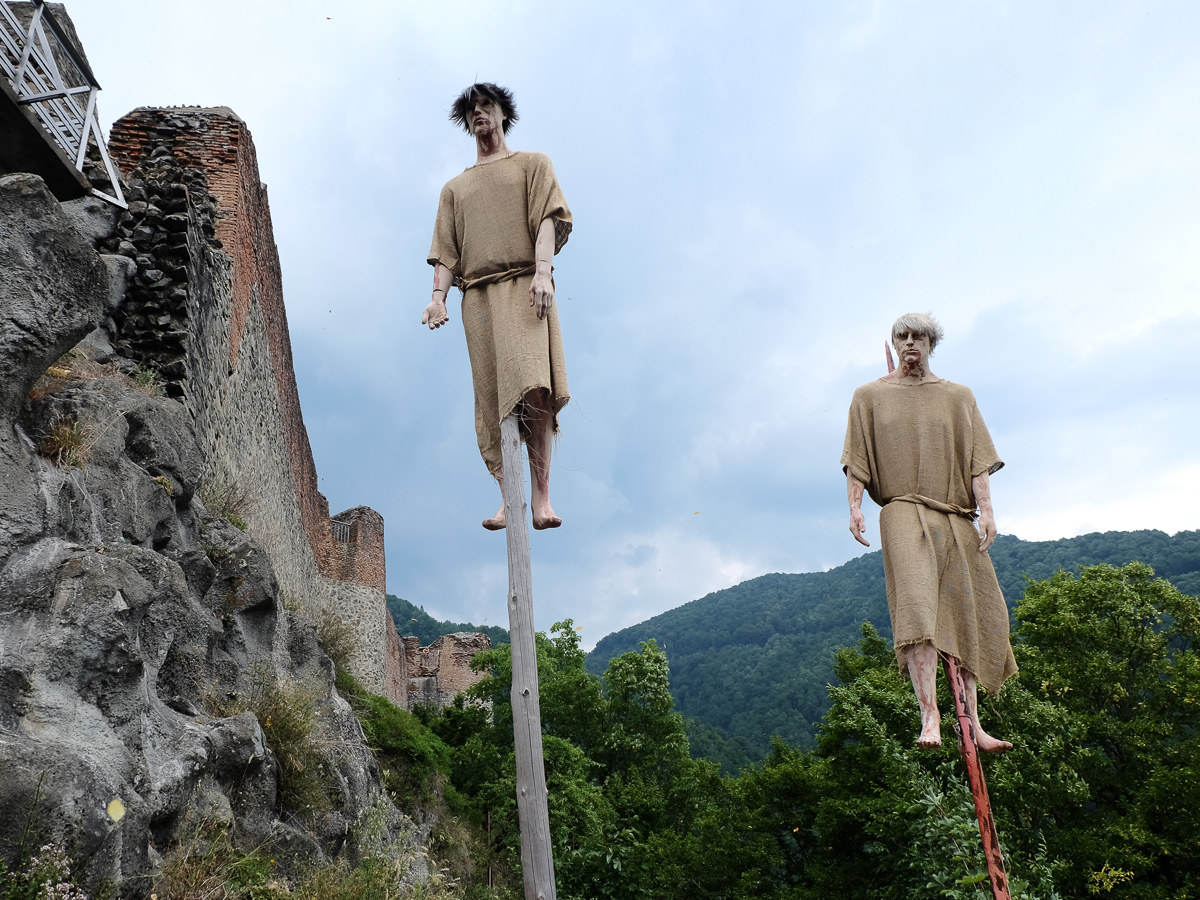
- Reassertion of Authority: Vlad sought to consolidate power and assert his authority within Wallachia. He implemented strict laws and punishments to maintain order and discipline within his realm. His infamous use of impalement as a method of punishment and intimidation was aimed at deterring crime and dissent.Vlad’s ambitions and actions occasionally brought him into conflict with neighboring princes and rulers in the region. His assertive policies and military campaigns sometimes encroached upon the territories and interests of neighboring states, leading to tensions and hostilities.
While Vlad had some periods of cooperation with the Kingdom of Hungary, particularly when it suited his interests, there were also tensions and conflicts between him and the Hungarian authorities. Vlad’s actions occasionally put him at odds with Hungarian policies and objectives in the region.
- Internal Reforms: Vlad implemented various internal reforms aimed at strengthening the economy and governance of Wallachia. He instituted measures to combat corruption, promote trade, and improve infrastructure within his principality. He made thus many enemies among the most rich and powerfull of his subjects, who were not pleased with his reforms. Within Wallachia, Vlad faced opposition from rival boyar (noble) factions vying for power and influence. These internal conflicts often led to political instability and challenges to Vlad’s authority. Vlad took decisive measures to suppress dissent and assert his control over the boyars, which sometimes resulted in violent confrontations.
- Cultural Influence: Vlad’s legacy has had a significant cultural impact, particularly through the association with Bram Stoker’s novel “Dracula.” While there is debate over the extent to which Stoker’s fictional character was inspired by the historical figure of Vlad the Impaler, the connection has contributed to Vlad’s enduring fame and notoriety.
- Historical Symbolism: Vlad the Impaler has become a symbol of resistance, nationalism, and independence in Romanian history and culture. He is often portrayed as a patriotic hero who fought against foreign invaders and defended his homeland.
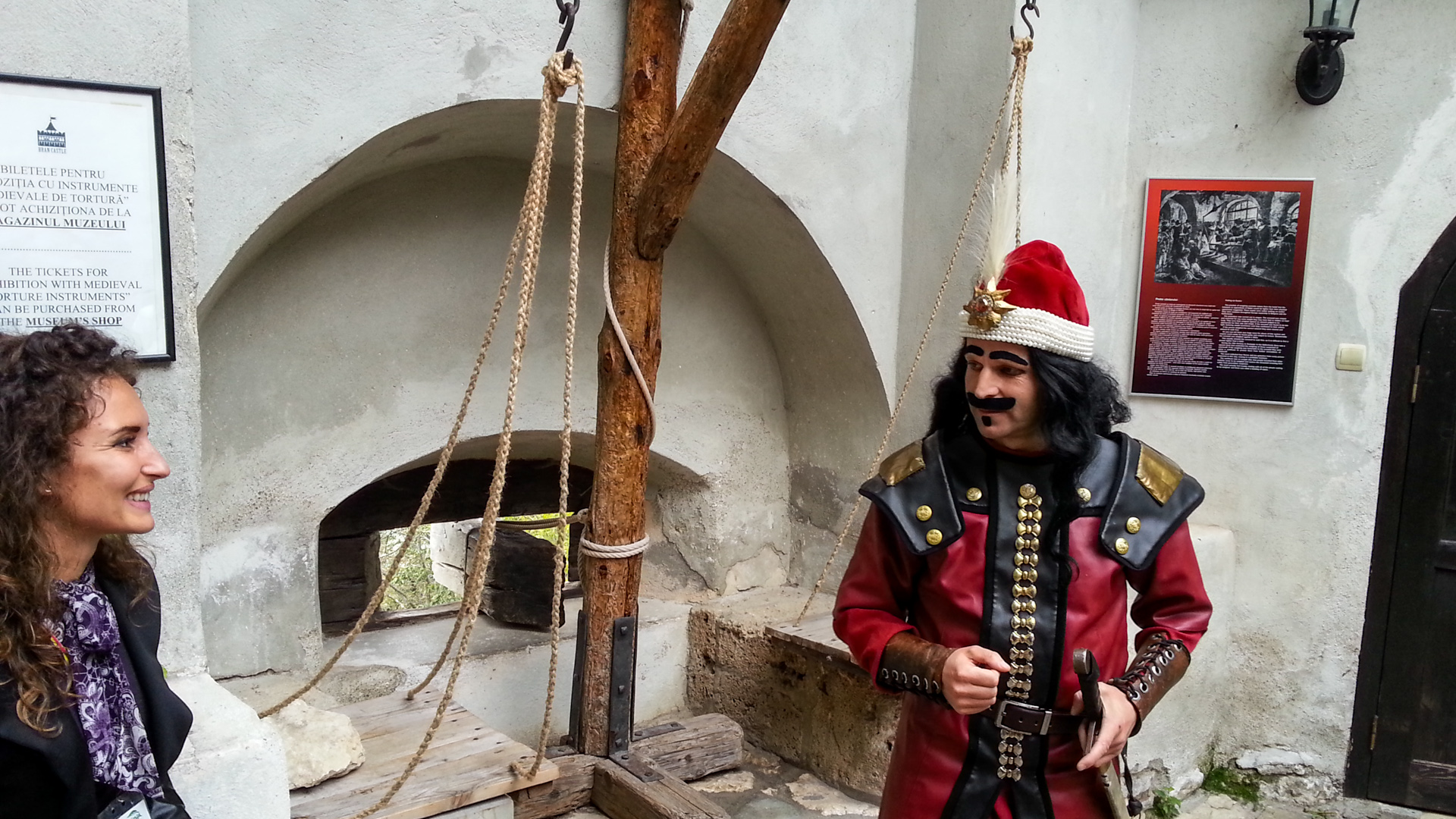
Who killed Vlad the impaler ?
It’s important to note that Vlad’s legacy is complex and multifaceted, with both positive and negative aspects. While he is celebrated as a defender of Wallachia by some, he is also infamous for his brutality and cruelty, particularly his use of impalement as a method of punishment. As such, interpretations of his accomplishments vary widely depending on perspective.
Historical records indicate that those who killed Vlad the Impaler was the Ottoman Empire in a battle that took place in December 1476. The exact circumstances of his death are not entirely clear, but it is believed that he was killed in combat, possibly by the Ottoman forces led by Mehmed II or by his own men. The Ottomans had been his long-standing adversaries, and Vlad’s reign was marked by conflicts with them.
Vlad’s death marked the end of his tumultuous reign, and he left behind a complex legacy as a fierce defender of Wallachia against Ottoman expansion, as well as a reputation for cruelty, particularly due to his infamous method of impaling his enemies.
However, there are many legends that it is someone else who killed vlad the impaler:
Happy to know who killed vlad the impaler ? Mybe you you want to learn more ?
Discover more about the life and story of Vlad the impaler:
- Discover the link between Vlad the impaler and Dracula
- What did Vlad eat ?
- Dracula’s legacy : Poienari castle
- Dracula – hero or villain? The real story of the son of the Dragon
- The Dracula Guide to Romania
- The fascinating history of Bran Castle
Find out about -our tours and discover medieval Romania.